
Exploring Adaptive Sports: A Guide for Older Athletes
Adaptive sports provide unique opportunities for older athletes, enabling them to stay active and engaged with their communities. As we age, maintaining physical fitness becomes crucial for overall well-being. Adaptive activities can accommodate various abilities, promoting inclusivity and participation. These activities are tailored to all skill levels, allowing seniors to find joy in sports regardless of limitations. Moreover, they enhance physical strength, balance, and flexibility, which can help prevent falls and injuries. In addition, social interaction occurs naturally within these sports, providing a sense of belonging and camaraderie. Programs are often available through community centers, organizations, and local gyms, making it easier for older adults to find suitable activities. Moreover, adaptive sports encourage self-confidence, fostering a spirit of resilience that can positively impact other life aspects. Techniques utilized may involve modifications to traditional sports equipment, allowing everyone, including those with mobility challenges, to participate. The camaraderie found in adaptive sports helps forge friendships and connections, enhancing overall mental health. Thus, exploring these activities is vital for seniors looking to maintain an active lifestyle.
Benefits of Adaptive Sports
The benefits of engaging in adaptive sports extend well beyond the physical realm. Firstly, participating in adapted activities promotes a healthier lifestyle among older adults, combating common age-related issues like obesity and heart diseases. Secondly, these sports can significantly improve mental health, alleviating symptoms of depression and anxiety, thus enhancing emotional resilience. Additionally, adaptive sports provide a structured environment where older athletes can set and achieve personal goals, fostering a sense of accomplishment. This boosts self-esteem and motivates consistent participation. Engaging in these activities aids in the preservation of motor skills, enhancing coordination, and agility through tailored training. Furthermore, adaptive sports encourage social engagement, allowing older adults to build meaningful connections with peers. By interacting with others who share similar interests, older athletes can develop friendships that combat loneliness, ultimately improving quality of life. Being part of a team or group also boosts motivation, encouraging consistent participation and commitment to physical fitness. Safe equipment, specialized coaching, and modified rules ensure a positive experience tailored to each individual’s needs. Enjoying these benefits makes adaptive sports essential in promoting an active, fulfilling lifestyle for older adults.
When considering a new sport, it’s important for older individuals to assess their personal interests and physical capabilities. Participation in adaptive sports offers a chance to discover new interests while engaging with others who share similar passions. Additionally, older adults can explore various options, such as wheelchair basketball, adaptive swimming, or sit skiing, among others. Each sport has unique benefits and challenges tailored for different abilities. Often, finding a local organization that specializes in adaptive sports is beneficial, as it can provide necessary resources, coaching, and specialized equipment. Local community centers, universities, or national adaptive sports organizations frequently host programs. Beyond the physical benefits of these sports, the community aspect is equally crucial. Sharing experiences and forming friendships can help older adults feel supported and connected to others. Furthermore, many programs include events and competitions that can motivate participants to improve their skills and achieve personal goals. Passion for sports can reignite a sense of purpose and inspire ongoing commitment. Moreover, active participation can lead to new opportunities, social engagements, and overall life satisfaction. Hence, older adults should actively engage with available resources to make the best choice.
Getting Started with Adaptive Sports
Getting started with adaptive sports can be both an exciting and rewarding journey. Prospective older athletes should first speak with healthcare professionals to ensure they are physically ready to engage in sports. Consulting a physician helps to evaluate medical conditions that may affect participation and confirm suitable activities. Once medical clearance is received, the next step is identifying sports that pique interest. Researching local adaptive sports programs through community centers or online platforms can yield options tailored to abilities. Many organizations provide introductory sessions, making it easy for newcomers to try multiple activities before committing to one. It’s also beneficial to attend workshops or demonstrations, which can offer insightful guidance on available opportunities. Engaging with trained instructors ensures safety and efficient learning while emphasizing skill development in adaptive sports. They collaborate to create a positive experience for older athletes, making sure each person feels included. Joining local clubs or groups also helps build a support system where like-minded individuals can motivate one another. Taking the initial step towards participation can lead to lasting friendships, improved health, and an enriched quality of life.
An important aspect of adaptive sports is understanding the modifications made for specific needs. Equipment used in adaptive sports often includes advanced technologies designed to optimize performance and accessibility. For example, wheelchairs used in basketball are specially designed for agility and speed, which enhances the competitive experience. Many adaptive devices are custom-made to accommodate individual preferences. Athletes can often take charge of their experience, determining the setup that works best for them. Additionally, coaches play a crucial role in facilitating adaptations during gameplay, ensuring players have suitable strategies to enjoy sports safely. Various competitions also showcase adaptive athletes’ skills, where they compete in their respective categories. This recognition garners respect and admiration from peers and the community, paving the way for increased awareness and acceptance. From community races to international events, the world of adaptive sports is becoming more inclusive over time. Participation in these competitions inspires athletes to push their limits while fostering teamwork. One can appreciate the dedication and commitment of all involved through adaptive sports events. As such, general awareness about adaptive sports continues to grow, drawing more attention to the importance of support and resources for older adults.
Success Stories and Inspiration
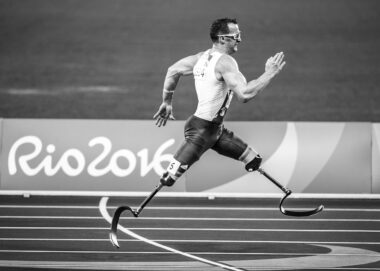
Understanding success stories in adaptive sports provides motivation for older athletes seeking personal growth. Countless individuals have transformed their lives through adaptive sports, showcasing the impact on mental and physical well-being. Stories of senior athletes who dare to embrace their abilities are particularly inspiring. For instance, older athletes often share how adaptive sports helped them overcome challenges and achieve personal milestones they never thought possible. Many engage in activities that allow them to achieve remarkable feats, such as marathons or competitive events. Their journeys highlight resilience, adaptability, and the joys of teamwork in overcoming obstacles. Community leaders and advocates are also increasingly promoting adaptive sports, raising awareness about the benefits of inclusivity. Collectively, these narratives challenge stereotypes about aging and physical limitations, encouraging others to follow suit. Sharing these achievements encourages participants to visualize their potential and recognize the rewards of engaging in adaptive activities. As more stories emerge, older athletes gain access to resources and networks that further support their participation. Through storytelling, athletes inspire one another and redefine perceptions of athleticism among older adults, creating an empowered community.
Ultimately, the commitment to adaptive sports among older athletes can lead to long-lasting benefits. As more seniors engage in these activities, the importance of promoting adaptive sports within communities becomes even more critical. Communities benefit from healthy, active individuals who contribute positively to society, reinforcing the value of inclusivity. In addition to physical fitness, adaptive sports foster social connections that enhance the overall quality of life. By encouraging older adults to engage in adaptive sports programs, communities can flourish as participating individuals find joy, camaraderie, and support. Lifelong engagement in physical activity through adaptive sports counters the natural decline associated with aging. It’s vital for community leaders, healthcare providers, and families to advocate for accessible programs, showcasing opportunities for older adults to participate. Additionally, increasing awareness through workshops, informational sessions, and community events helps highlight available resources. This advocacy leads to sustainable engagement within society, where older adults remain active participants in sports, contributing to their overall well-being. As adaptive sports continue to evolve, fostering interest and participation among older adults paves the way for an inclusive, healthy future.
Adaptive sports are an essential aspect of building an active lifestyle among older adults. Through this physical engagement, we can promote connection, resilience, and well-being within our communities. As we embrace these practices, we allow more older adults to discover their hidden potential through adaptive sports, ensuring a healthier and happier society.