
Day in the Life: A Pro CrossFit Athlete’s Schedule
The daily life of a professional CrossFit athlete is a blend of rigorous training, nutritional focus, and mental discipline. Mornings often start early, with the sound of an alarm ringing by 5:00 AM. After waking, athletes hydrate with a glass of water and begin their day with light stretching or yoga to wake up their muscles. Breakfast for a CrossFit athlete is crucial; it typically features a mix of protein and carbohydrates, possibly including eggs, oatmeal, and fruit, fueling them for their first workout session. After breakfast, they jump into their first training session, which may last around two hours. This session often includes weightlifting, skill work, and metabolic conditioning. The athletic focus requires sheer determination and strength. Each workout is carefully planned, often involving specific techniques tailored to improve performance. Athletes might also track their progress through apps or notebooks. The commitment to perfecting their craft sets them apart, and it’s not just about exercising; it involves an entire lifestyle dedicated to their goals. Integration of rest days is vital to avoid burnout, ensuring long-term sustainability in high-performance training.
Post the morning workout, recovery is essential; the time dedicated to cooling down and stretching helps in muscle recovery and injury prevention. After returning home, athletes usually engage in a post-workout meal that incorporates protein shakes or smoothies packed with vitamins and nutrients. Meal planning becomes pivotal, with a strict diet emphasizing whole foods, including lean meats, healthy fats, and lots of vegetables. Such dietary choices support the intensive training regimen and allow for effective recovery. Afterward, there’s often a brief break before heading into their strength training session. Following lunch, athletes usually take a power nap or practice mindfulness techniques, which is equally vital for mental recovery. Managing stress is crucial in high-intensity training environments, so meditation or light activities provide the perfect balance. In the afternoon, another training session begins, often focusing on cardio-based conditioning, combining high-intensity movements that stimulate heart pace and improve stamina. Notably, the ability to resist fatigue while pushing limits is a hallmark of a successful CrossFit athlete, pushing themselves progressively each day, aiming higher on their fitness journey.
Balancing Training and Other Responsibilities
A full day for a CrossFit athlete is a delicate balance between training, recovery, and managing external responsibilities. Many professional athletes juggle sponsorships, coaching, or part-time jobs alongside their demanding training schedules. This requires exceptional time management skills to ensure that every minute counts. Evenings often feature important activities, such as client coaching or participating in community outreach initiatives that inspire others to pursue fitness. After a second round of training, athletes tend to prioritize their dinner choices, often featuring meals rich in protein and complex carbohydrates. They have learned that meal prep and planning are essential in maintaining their energy levels and overall performance. Each meal is thoughtfully chosen, often focusing on nutrient density to optimize athletic recovery while ensuring they meet their macros. After dinner, the athletes may spend time reviewing their progress, planning workouts, or engaging with their social media audiences to inspire their followers. The life of a CrossFit athlete extends beyond the gym; it embodies a holistic approach to fitness and sharing the journey with others is equally rewarding.
Fitness goes beyond physical well-being; mental health plays an equally important role. The pressures of competition and the continuous pursuit of excellence can lead to mental fatigue. Athletes often practice self-care through leisure activities, such as recreational sports or family time, to rejuvenate their minds. Embracing a growth mindset, they set aside time for personal development, deepening their knowledge in fields like nutrition, injury prevention, and training methodologies. Consistent education about fitness trends helps them strategically adapt their training regimes. The evening hours are also sacred, where athletes prioritize family or community engagements, creating a balanced lifestyle. These relationships often provide encouragement and motivation. Additionally, they address their mental health proactively by seeking support from mental performance coaches. Reflecting on daily accomplishments, setting goals for enhancement, and focusing on gratitude helps maintain motivation and resilience in challenging times. Nights end with an intention to prepare for the next day, athletes might lay out their workout attire, meals, and hydration for seamless transitions in the morning. Maintaining discipline in routines further fuels their success, enabling them to rise and shine each day with unstoppable determination.
Nutrition Matters
Nutrition is perhaps the backbone of an athlete’s success; it fuels their energy, aids recovery, and maximizes performance during workouts. Proficient athletes have a solid understanding of macronutrients and adjust their macros according to training cycles. This usually involves shifting focus among proteins, carbohydrates, and fats during different phases of their training. For example, they increase carbs during peak training weeks to enhance energy levels and muscle recovery. Making nutritionally dense choices ensures they remain on top of their game. Proper hydration is essential, especially during intense workouts, where athletes can lose significant amounts of fluid. Consumption of electrolytes and water becomes a ritual that supports stamina and reduces fatigue. Throughout the day, snacking plays a vital role, where nutrient-dense options like fruits, nuts, and energy bars keep hunger at bay. The objective is to promote efficient fueling strategies that contribute to improved physical performance. Educating themselves about nutrition and connecting with dietitians can help them optimize their dietary regime. This strategic and informed approach to nutrition distinguishes successful athletes in the CrossFit community, reminding others that performance is as much about what you fuel your body with as it is about physical training.
Evenings wind down after bustling days, featuring the final training session of the day. This session often emphasizes mobility exercises aimed at improving flexibility and reducing the risk of injuries. Athletes dedicate this lower intensity period to hold stretches, focus on breathing techniques, and improve their movement patterns. These habits can lead to enhancements in their overall athletic performance. Mental focus plays a significant role; they visualize goals, practice patience, and reflect on personal growth throughout their journey in CrossFit, all contributing to a winning mindset. Closing the day involves relaxation rituals; reading, music listenings, or connecting with loved ones wrap up the day perfectly. These leisurely moments help decompress after a rigorous training schedule. Sleep becomes a priority, ensuring they accumulate enough hours for regeneration and repair. Athletes aim for 7 to 9 hours per night, understanding the link between quality sleep and athletic enhancement. Their commitment to a balanced schedule underscores their dedication to becoming top-tier athletes, highlighting that every choice they make signals towards their overarching goal. The day-to-day life of a CrossFit athlete demands unwavering discipline yet offers immense fulfillment through physical achievements.
The Impact of Community
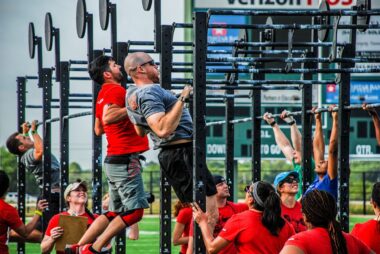
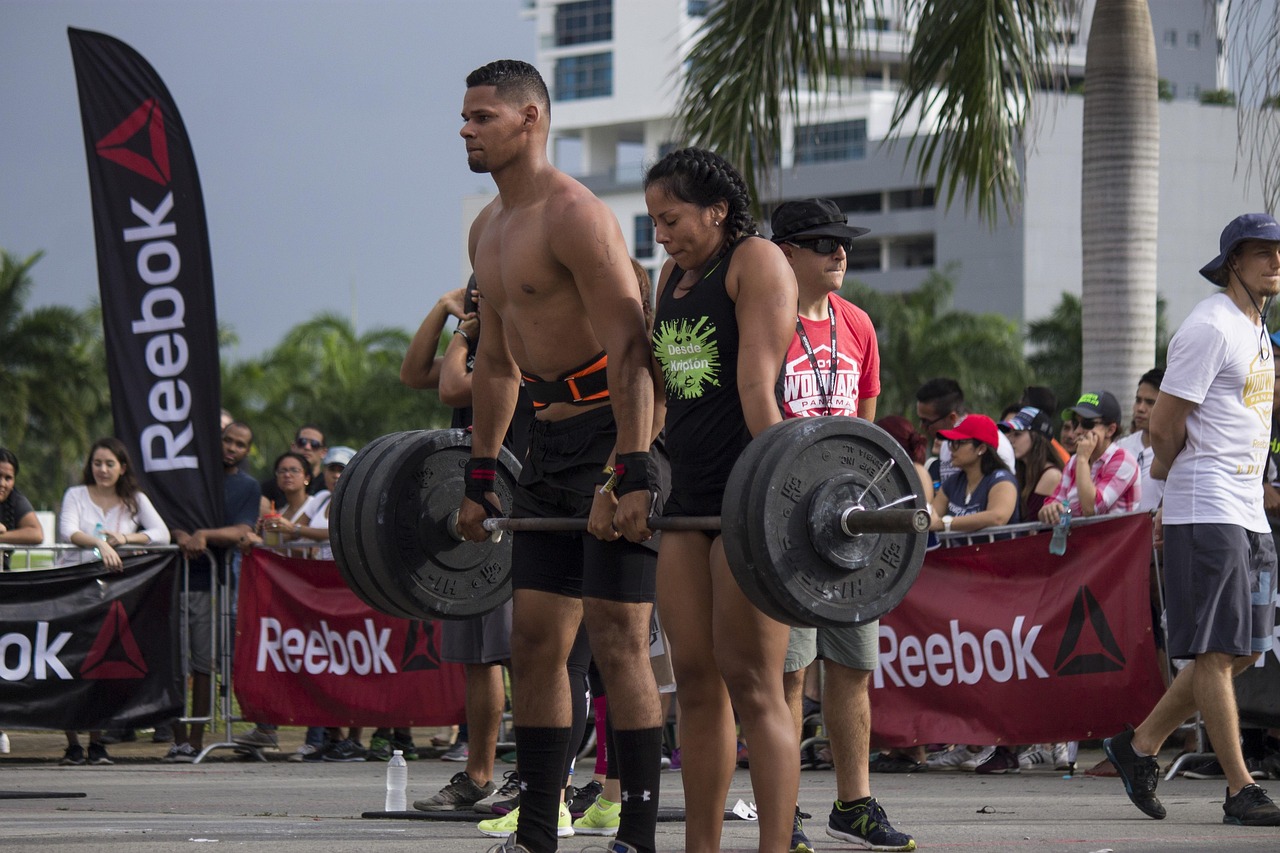
Community involvement significantly bolsters the lifestyle of CrossFit athletes, creating networks of support and accountability. Engaging with fellow athletes fosters motivation, providing encouragement during challenging workouts. Many opt to train in teams or groups as peer support substantially enhances motivation and performance. Shared experiences create bonds, transforming workouts into shared goals, thereby enhancing both personal and team achievements. Competitions serve as platforms to showcase talents and engage with the broader CrossFit community. Successful athletes often participate in local events, connecting with fans and inspiring individuals to embark on their fitness journeys. Furthermore, understanding that achievement brings responsibility motivates athletes to give back through coaching, workshops, or free training sessions. This reciprocity creates a sense of unity among fitness enthusiasts. Social media has further revolutionized community connection, enabling athletes to inspire a global audience. Sharing training tips, fitness inspirations, and personal growth stories can resonate with individuals outside the gym, promoting healthier lifestyles. Ultimately, the emphasis on community demonstrates the importance of collaboration and the collective pursuit of fitness; it reinforces the idea that the journey is most fulfilling when shared.
In summary, the daily life of a professional CrossFit athlete requires immense dedication and is marked by a well-structured routine. Each aspect, from training sessions to nutrition and recovery strategies, is meticulously designed to foster peak performance. The significance of discipline and commitment to personal growth sets dedicated athletes apart. Intentional choices and clarity of purpose steer them toward achieving their fitness goals, showcasing that pursuing excellence is a holistic journey. Everyday routines incorporate training, recovery, and mental wellness, emphasizing the balance needed in high-intensity athletic lifestyles. The cultivation of strong community bonds and support creates an enriching environment that encourages growth and connection, reminding athletes that success is a shared experience. Embracing the challenges of competitive CrossFit melds passion with hard work, and results in both personal and athletic development. Ultimately, the narrative extends beyond individual achievements; it encompasses the celebration of hard work, resilience, and shared goals. As these athletes share their unique journeys, they inspire countless others to determine their path forward in fitness, embodying the ethos of what it truly means to be a CrossFit athlete.