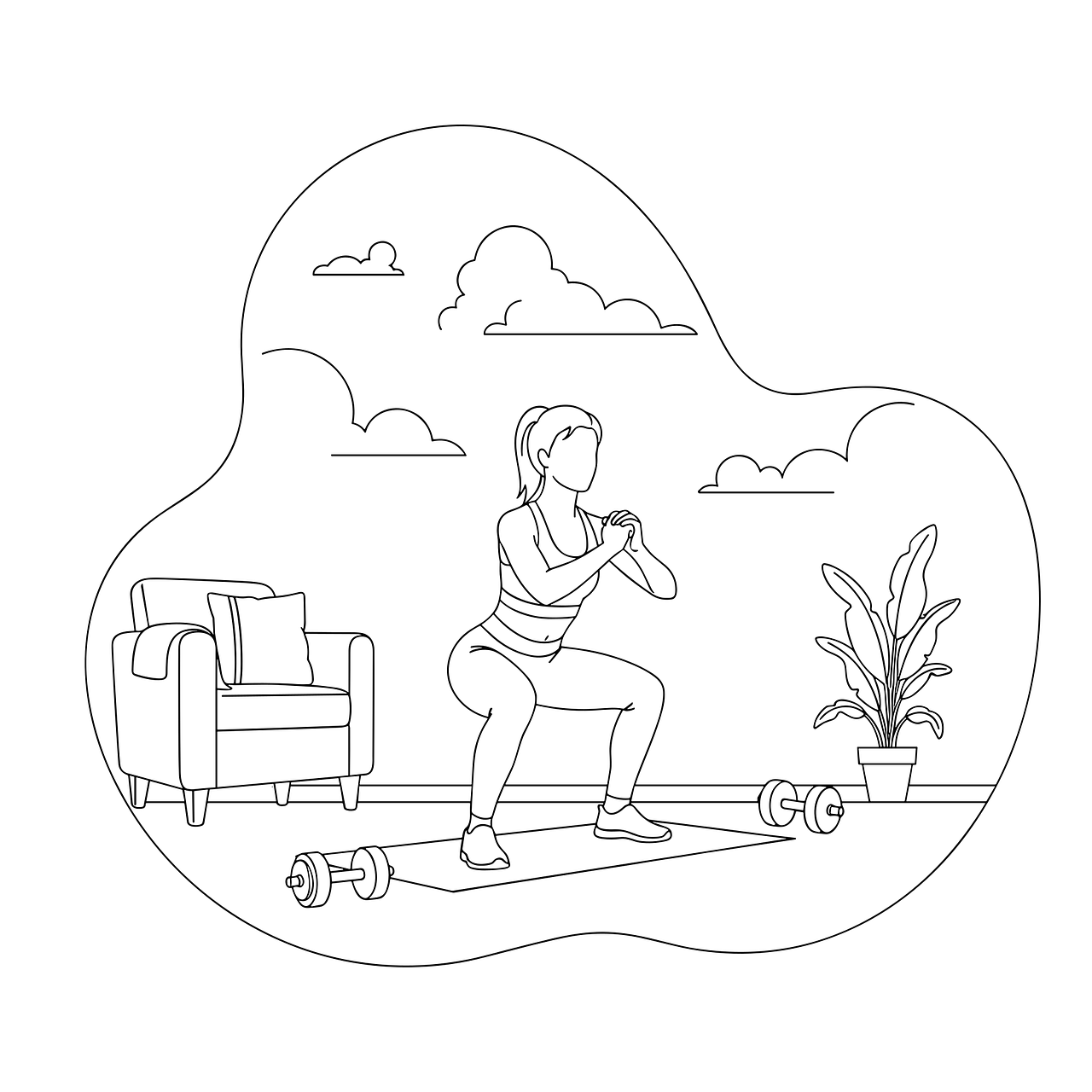

Bodyweight Exercises Perfect for Office Environments
In today’s fast-paced work environments, it is essential to incorporate quick office workouts to stay fit and energized. Bodyweight exercises are great because they require no equipment, making them perfect for office settings. Getting up from your desk not only stimulates your body but also enhances productivity. Regular movement breaks can alleviate stress, boost creativity, and increase focus. One efficient way to engage in physical activity during your workday is by incorporating short bursts of exercise. For instance, simple exercises like planks and bodyweight squats can be done virtually anywhere, allowing you to maintain your fitness routine without needing a gym. You can even utilize a few minutes between meetings to squeeze in a quick workout. Making these short exercises a part of your daily routine can progressively lead to significant health improvements. Additionally, these workouts can be fun and energizing. Encouraging colleagues to join enhances team spirit and promotes a healthy workplace culture. Starting with five to ten minutes of bodyweight exercises can completely revitalize your day, fostering better health habits in the long run. Consider trying various exercises for a well-rounded routine.
Effective Bodyweight Exercises
When considering bodyweight exercises at the office, choose movements that engage multiple muscle groups. This maximizes efficiency in a short timeframe. One excellent option is the push-up, which works your arms, chest, and core. To perform a push-up, position your hands shoulder-width apart and engage your core. Lower your body until your elbows form a 90-degree angle and then push back up. Chair dips are another effective exercise that targets the triceps. For this, sit on a sturdy chair, grip the edges, slide forward, and lower your body. Wall sits also make a fantastic addition to your routine. Lean against a wall, slide down until your thighs are parallel to the floor, and hold the position. Additionally, lunges can be done while walking around the office. Step forward with one leg, keeping your back straight, and lower your hips. Choose several exercises that you can mix and match to create a routine that suits your schedule. Make these a habit, and soon you’ll feel stronger and more productive.
Certain stretches can significantly contribute to your overall physical well-being during office hours. Incorporating specific stretches that relieve tension and pain can offset the effects of prolonged sitting. For instance, the neck stretch helps alleviate stiffness. Sit up straight, tilt your head toward one shoulder and hold for a few seconds on each side. This helps relax tense muscles. Another effective stretch is the chest opener. Stand tall, interlace your fingers behind your back, and lift your arms while opening your chest. This fosters better posture by counteracting the hunch we often adopt while working at our desks. The seated spinal twist is also beneficial. While sitting, place one hand on the back of your chair and twist to one side, holding for several breaths. This stretch increases spinal mobility and releases lower back tension. Additionally, don’t forget to stretch your legs! A simple calf raise can do wonders. These stretches require minimal time and can be performed discreetly, ensuring you stay agile and less prone to discomfort throughout your workday.
Creating a Routine
Establishing a routine centered around quick office workouts can drastically improve your daily productivity and health. Begin by selecting a set time during your day that allows for at least 10 to 15 minutes of exercise. Morning breaks are often less hectic, making them an excellent opportunity for a brief workout session. Compose a weekly schedule that includes various bodyweight exercises to maintain excitement and motivation. Aim for a mix of upper body, lower body, and core strength workouts. You could categorize your exercises into different days, for instance, Mondays could focus on upper body workouts, while Wednesdays could concentrate on lower body routines. Encourage colleagues to join your workout sessions; working out in pairs or groups makes the process more enjoyable and engaging. Utilize reminders or calendar alerts to keep you on track. Setting clear goals, such as achieving a certain number of repetitions or duration, can enhance commitment and progress. Document your achievements to see improvements over time. Incorporating bodyweight exercises into your work routine will improve your fitness and contribute positively to your mental well-being.
Besides boosting physical fitness and overall well-being, quick office workouts can positively influence workplace dynamics. By initiating an exercise culture in the office, you create a supportive community focused on health. Encouraging teamwork during these workout sessions fosters camaraderie among employees. Engaging with colleagues in bodyweight exercises can enhance professional relationships and morale. Consider hosting group challenges where employees can participate in friendly competitions, adding an element of fun. These challenges could include time-based circuits or a friendly contest to see who can perform the most repetitions of an exercise. Celebrating and recognizing participation can further motivate individuals to contribute actively. Be mindful of your colleagues’ comfort levels and encourage everyone to participate at their own pace. The focus should be on improving individual fitness rather than competition. Simple initiatives, like themed workout days or fitness challenges, can also drive enthusiasm and participation. The collective effort towards achieving better health strengthens workplace connections, leading to enhanced productivity. In turn, this impacts company culture positively, resulting in a happier and healthier workforce overall.
Nutritional Support
Complementing your bodyweight exercises with proper nutrition is essential for achieving optimal results. A balanced diet plays a crucial role in fueling your workouts and recovery. Hydration is a vital aspect that should not be overlooked. Make it a habit to drink plenty of water before, during, and after your workouts to keep your body in peak condition. Additionally, consider incorporating healthy snacks into your daily office routine. Foods rich in protein, like nuts and yogurt, can provide the necessary energy without leading to a heavy feeling. Whole fruits, such as bananas and apples, also make excellent quick options to maintain energy levels throughout the day. If possible, try meal prepping on the weekends to ensure you have nutritious options available during the week. Customizing your meals by including lean proteins, whole grains, and an array of veggies can ensure optimal fuel for your body. Monitoring your food intake will also help you understand which meals positively affect your energy levels during workouts.
Finally, remember that consistency is critical in developing a routine around quick office workouts. Progress may not be immediate; however, maintaining commitment will yield substantial results over time. Engage in self-reflection to observe how the combination of exercise and proper nutrition influences your productivity and overall well-being. Perhaps keep a journal to note your workouts and how they affect your daily operations. Identify the exercises that energize you most and those that might be less effective. Celebrating small victories, such as increasing your repetitions or incorporating new exercises, can further fuel your motivation. Engaging with colleagues in this journey of fitness can also create camaraderie, as shared goals often lead to stronger connections. Establish accountability systems with coworkers to encourage each other in staying active and healthy. Remember to be patient with yourself; change takes time and effort. Embrace the journey of incorporating bodyweight exercises into your office routine, and soon enough, you will see noticeable improvements in your health, mood, and productivity.