
Advanced Plyometric Techniques to Elevate Your HIIT Workouts
High-Intensity Interval Training, or HIIT, is a highly effective workout method that maximizes fat loss and enhances cardiovascular fitness. Incorporating plyometrics into your HIIT regimen gives additional intensity and effectiveness. Plyometric exercises involve explosive movements that allow the muscles to exert maximum force in short intervals. This process includes jumping, bounding, and deceleration movements, which enhance athletic performance. Plyometrics effectively burns calories during and after workouts due to the increased intensity, contributing to excess post-exercise oxygen consumption (EPOC). Also, it improves muscular power and stability. When integrating plyometrics into your HIIT, choosing appropriate drills adds value. Some exciting plyometric exercises include box jumps, burpees, and lateral hops. These exercises will help boost strength and coordination. Additionally, ensure you maintain proper form to prevent injuries. It’s crucial to control every movement and focus on landing softly to protect your joints. Plyometrics can be adapted for all fitness levels, making them a versatile addition to your routine. Balancing your sessions with recovery days and mobility work is essential to support your progress and overall fitness goals. In summary, plyometrics can significantly elevate your HIIT workouts.
Plyometric Variations to Optimize HIIT
Integrating plyometric variations into your HIIT routine can prevent stagnation and enhance your progress. To optimize your workouts, try adding different jumps or hops. For example, alternating between broad jumps and high knees can maximize both horizontal and vertical power. Broad jumps focus on engaging the quads, glutes, and hamstrings, while high knees emphasize speed, agility, and coordination. Another technique would be to include single-leg exercises like pistol squats. This variation will ignite your core stability and balance, significantly impacting functional fitness. Moreover, depth jumps can be introduced for the more advanced participant, which will train the nervous system to respond quickly, improving overall explosiveness. Focusing on your landing mechanics during these jumps is vital to prevent injury. Always maintain a soft landing on the balls of your feet. Incorporate rest intervals effectively between exercises, ensuring that you recover adequately before the next explosive movement. As a result, you will enhance overall performance and avoid burnout. Lastly, always listen to your body signals and adjust accordingly. Customizing your plyometric drills will keep your HIIT routine exciting and result-oriented.
To further improve your HIIT workouts, incorporating agility drills with plyometric elements can be beneficial. Agility drills promote quick directional changes, enhancing your cardiovascular conditioning and coordination. Integrate lateral bounds into your routine to engage powerful lateral muscles while maintaining balance. This particular exercise promotes muscle elasticity, essential for other athletic activities. Setting up cones in a zigzag pattern can create an exciting challenge that engages various muscle groups. Combining agility drills with plyometric exercises will also prevent workout monotony, keeping you mentally stimulated. For example, alternating between jump squats and shuttle sprints yields significant cardiovascular conditioning. The transition between static strength and dynamic movement encourages muscle endurance. Use interval timers for 30-second bouts of high intensity followed by 15 seconds of rest when executing these drills. The variation in exercises prevents plateaus and invites continued growth in performance. Agility exercises can also help with injury prevention by training your muscles in functional patterns. It’s crucial to remember that maintaining proper form throughout these drills remains paramount for safety. With consistency, your overall strength, stability, and coordination are bound to improve significantly.
Incorporating Plyometrics with Resistance Training
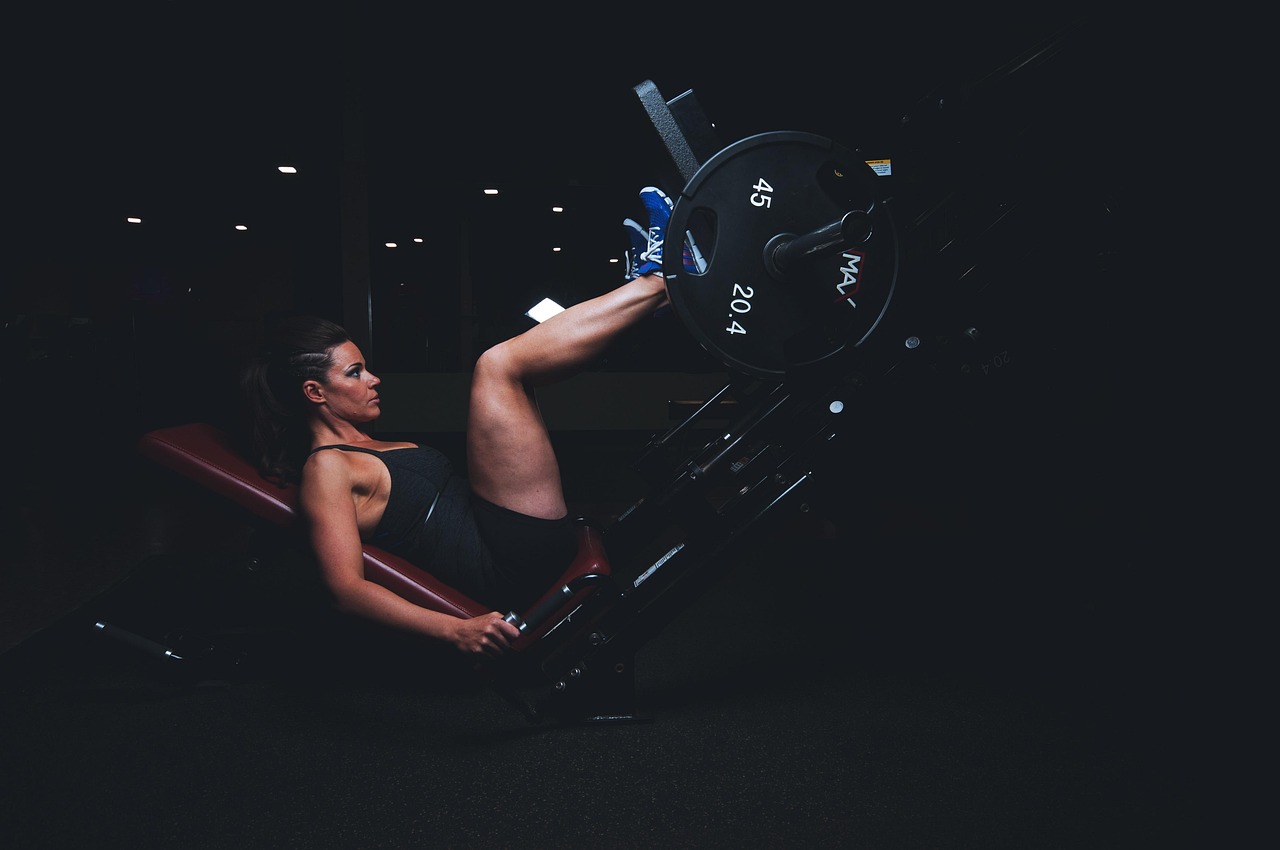
Combining plyometrics with strength training in your HIIT routines can lead to groundbreaking results. Engaging both fast-twitch and slow-twitch muscle fibers concurrently amplifies overall muscle output. Including plyometric push-ups or thrusters in your routine allows for a superior metabolic boost and calorie burn. Using resistance bands or weights during plyometric moves increases intensity, promoting muscle hypertrophy. Ensure proper warm-up sessions to prepare your muscles for the added stress. Another effective strategy is alternating between heavy lifts and explosive plyometric exercises within your HIIT circuit. For instance, do a set of deadlifts after executing box jumps to create muscular fatigue efficiently. The balancing act stimulates improved strength and dynamic power in the long run. Additionally, manipulating workout parameters such as time under tension will disguise the improvement effects, promoting optimal gains. Tailor your reps and set structures based on your specific goals, whether strength, endurance, or muscle building. As always, vary your workout stimulus to keep your body progressing and avoid plateaus. Listen to your body’s feedback to decide when to push harder or pull back in your regimen for optimal growth and recovery.
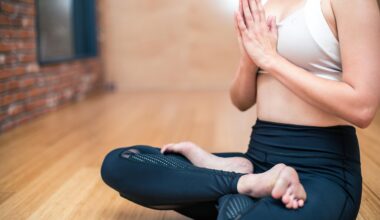
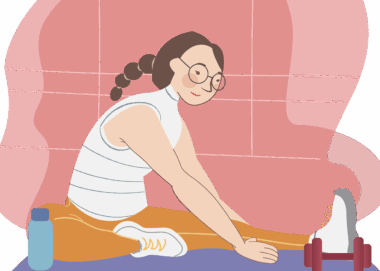
Recovery plays a crucial role when incorporating intense plyometric movements into your HIIT sessions. The high impact and explosive nature of plyometrics can lead to fatigue and require adequate recovery strategies. After each workout session, ensure to allow your muscles enough time to repair and grow stronger. Engaging in low-impact recovery movements, along with stretching, can promote muscle elasticity and flexibility. One effective approach is to include yoga or foam rolling, focusing on targeted areas after intense plyometric training. Performing structured cooldown routines can enhance blood flow, aiding in muscle recovery. Moreover, consider nutrient intake post-workout. Consuming a balance of proteins and carbohydrates can facilitate faster recovery, minimizing soreness and maintaining energy levels. Hydration is equally essential to support muscle function and recovery; aim to replenish fluids lost during workouts. Regularly assessing your workout frequency and intensity will ensure you do not overtrain. Monitoring how your body responds to incorporating plyometrics will provide critical insights for adjustments. An effective recovery plan will help you sustain your HIIT training while establishing a solid foundation in your fitness journey for long-term results.
Conclusion: Elevating Your HIIT Workouts
In conclusion, incorporating plyometric exercises into your HIIT routine can elevate your fitness journey to new heights. These explosive movements not only enhance your strength and power but also improve your cardiovascular endurance and overall athletic performance. Remember to start gradually if you are new to plyometrics, ensuring your body adapts to the increased intensity. Focus on mastering proper form and technique, as this is critical for maximizing benefits while minimizing injury risk. Experiment with various plyometric exercises and combinations to keep your workouts fresh and engaging. Fitness progression is a marathon, not a sprint; ensure you listen to your body and give yourself rest days to recover adequately. Combining plyometrics with agility drills, resistance training, and cross-training methods can further optimize your performance. The journey to better fitness will require commitment and consistency, but the reward will be monumental. By regularly challenging yourself with new exercises and techniques, you will continuously stimulate muscle growth and improve your overall conditioning. Let these advanced plyometric techniques inspire you to push beyond your limits and transform your HIIT sessions into a dynamic and effective workout experience.
With dedication and the right approach, you’ll accomplish your fitness goals faster. If you want to learn more about these exercises and monitor your progress, consider keeping a workout journal. Documenting your training can help track improvements, adjustments, and breakthroughs over time. You may also find it worthwhile to engage with a fitness community, either online or in person. Sharing experiences and workouts can provide motivation and additional insights on optimizing your plyometric HIIT sessions. By forming connections with fellow fitness enthusiasts, you can discover new exercises and techniques. They may also challenge you to step outside your comfort zone. As you implement these plyometric techniques, remember to evaluate your progress periodically. This way, you ensure your fitness journey remains aligned with your overall goals. Learning from your workouts will help refine your approach while celebrating the small achievements along the way. Therefore, keep your mind open to new strategies and be willing to modify existing ones. Embrace challenges, for they are stepping stones to greater satisfaction. Be proud of every effort and improvement you make in your pursuit of a healthier, stronger, and more resilient self.
As you set out to elevate your HIIT workouts with plyometrics, prioritize safety, consistency, and enjoyment. Engage in workouts that excite you and challenge your body without risking injury. This will create a sustainable long-term fitness plan. Additionally, revisit your goals periodically to gauge your progress. Tailoring your training to fit these objectives will ensure that you stay engaged and motivated. Exploring new plyometric variations will also prevent workout fatigue. Each workout is a chance to improve, so approach them with enthusiasm and determination. Remember to fuel your body adequately and listen to its needs throughout your journey. Adjusting your nutrition can significantly impact how you perform during workouts and recover afterward. This balanced approach promotes not only strength but also overall health and well-being. The world of plyometrics offers endless possibilities for fitness enthusiasts. With the right mindset, you can conquer the challenges ahead. Consistently seek out opportunities to ignite your motivation, whether through new exercises, workout partners, or fitness goals. Furthermore, tracking your progress and celebrating your achievements will foster a sense of accomplishment. Remain dedicated, and watch your fitness elevate to remarkable new levels.