
Adaptive Fitness Equipment for Cardiovascular Training
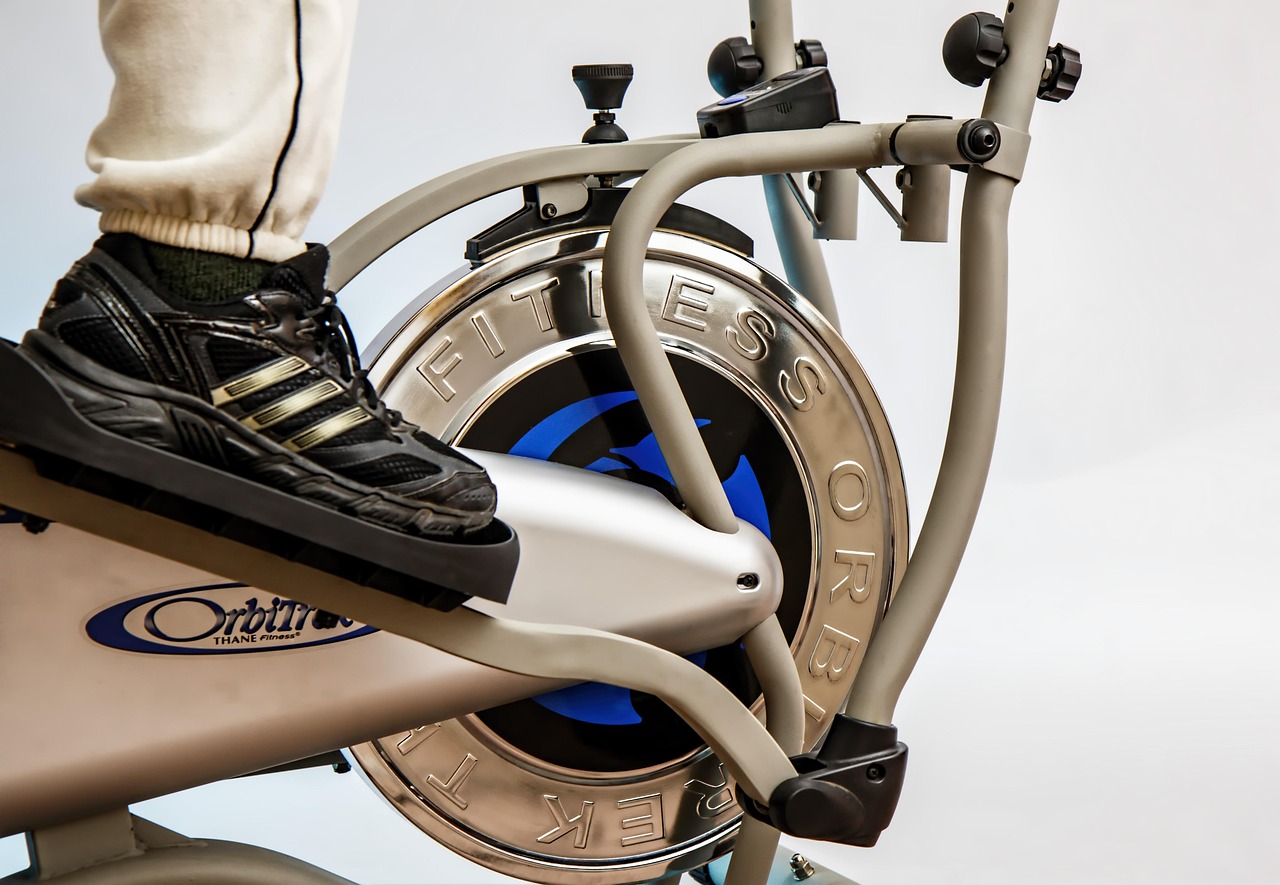
Adaptive fitness equipment is essential for individuals seeking improvements in cardiovascular health. This equipment allows for tailored workouts that cater to various ability levels, encouraging participation and engagement. Examples of adaptive equipment include specialized treadmills, elliptical trainers, and recumbent bikes. These machines are often designed with user comfort in mind, featuring adjustable seat heights, handles, and resistance levels. For those with limited mobility, seated and recumbent options help ensure that anyone can safely engage in cardiovascular exercise. Additionally, these machines are equipped with technology to monitor heart rates, calories burned, and distance traveled, thereby providing valuable feedback. Furthermore, integrative technologies like Bluetooth connectivity offer the potential to sync workouts with applications, ensuring tracking progress is easy and straightforward. It’s crucial to select adaptive equipment based on personal preferences and abilities. Consulting a fitness professional can provide individual insights and recommendations suitable for each unique situation. Overall, adaptive fitness equipment plays a pivotal role in promoting cardiovascular health among diverse populations, enhancing physical well-being and personal satisfaction in fitness journeys.
Individuals with disabilities often face barriers when engaging in traditional fitness activities, which makes adaptive fitness equipment crucial. For cardiovascular health, it allows individuals to exercise effectively and safely. Various types of adaptive cardio machines are available, each designed to meet the specific needs of the user. Some popular options include: hand cycles, which enable users to rely on their upper body strength; power-assisted treadmills, ideal for users who may need support while walking; and seated ellipticals, designed to accommodate individuals with limited leg mobility. Moreover, adaptive equipment often incorporates sensory feedback for individuals with visual impairments, making fitness more inclusive. Balance and coordination can be enhanced through stability-focused machines that improve core strength and cardiovascular endurance. It can be beneficial to engage a therapist or trainer with experience in adaptive fitness to customize workouts accordingly. Each person’s fitness journey is unique, requiring individualized approaches to effectively improve cardiovascular health. Adopting adaptive cardio equipment can help individuals establish a consistent exercise routine, simultaneously boosting physical, emotional, and mental well-being, which are all critical aspects of a fulfilling lifestyle.
Key Features of Adaptive Cardio Equipment
Adaptive cardio equipment is designed with various features making it accessible and effective for users with different abilities. First, adjustability is crucial; users should find it easy to modify settings to accommodate their specific needs. Equipment that allows users to adjust seat heights, resistance levels, and even arm positions is beneficial for all individuals.
- Safety features, such as non-slip surfaces and secure harnesses, are equally important.
- Automated feedback systems help track workout metrics in real-time, facilitating goal adjustments.
Thirdly, interfaces should be user-friendly, ensuring a smooth experience for anyone using the equipment, regardless of their technological proficiency. Furthermore, durability is a key factor, as adaptive fitness machines should withstand regular use over time. Another critical aspect is overall design; bright colors and distinct cues can assist those with visual impairments. Ultimately, each feature contributes to ensuring that individuals with disabilities can perform cardio workouts with comfort and confidence, empowering them to pursue their fitness goals and achieve lasting health, skill, and improvement.
Incorporating adaptive fitness into rehabilitation programs can lead to significant improvements in cardiovascular health for individuals recovering from injury or surgery. The availability of specialized equipment facilitates low-impact activities tailored to individual capabilities. Programs can be adjusted based on specific muscular and cardiovascular goals, allowing each participant to progress at their own pace. Some benefits of adaptive cardio include: improved circulation, increased lung capacity, and enhanced stamina. Utilizing machines designed to accommodate various mobility levels can create a supportive environment that encourages regular participation. Additionally, social and community aspects of adaptive fitness facilitate connections among individuals sharing similar experiences. Engaging in exercise with peers can significantly improve motivation while also reducing feelings of isolation, leading to further adherence to fitness regimens. Group classes often include cardiovascular drills using adaptive equipment, fostering a sense of camaraderie. Celebrating progress and milestones together enhances self-esteem while demonstrating the impact that fitness has on overall well-being. Ultimately, adapting cardiovascular training within rehabilitation settings can pave the way towards long-term health, improved quality of life, and a greater sense of community.
Technology in Adaptive Fitness Equipment
Technology has revolutionized the field of adaptive fitness, providing greater access through innovative equipment designed for cardiovascular health. Many machines now come equipped with applications to monitor progress in real-time. Data such as heart rate, calories burned, and exercise duration are easily recorded, allowing users to adjust their workouts accordingly. This empowers individuals to set goals and evaluate their achievements systematically. Some equipment even features integration with online platforms for virtual workouts, enhancing engagement with interactive experiences. Furthermore, augmented reality can be employed in adaptive fitness scenarios to create immersive workout environments. Users can experience changing landscapes and stimuli, making every workout both exciting and motivating. Additionally, wearable technology such as smartwatches and fitness trackers can complement adaptive cardio equipment, offering insights into various fitness metrics. These advancements not only aid in tracking progress but also promote accountability within the fitness journey. It becomes increasingly possible for individuals to participate in sports and physical activities previously thought unattainable due to technological enhancements. Overall, technology elevates adaptive fitness, contributing to improved cardiovascular health outcomes for users.
The significance of community support cannot be overstated when it comes to adaptive fitness and cardiovascular health. Joining support groups focused on adaptive fitness can bolster motivation while providing a platform for sharing experiences. Engaging with fellow users leads to the exchange of insights, tips, and encouragement, creating an invaluable network of support. Online platforms can facilitate such interactions, allowing members from various locations to connect and engage in discussions about adaptive equipment. Organized group fitness classes often provide opportunities for participants to explore new adaptive cardio equipment together, fostering friendships and encouraging regular attendance. Many facilities now offer community outreach programs designed explicitly for individuals with disabilities. These programs help participants access appropriate adaptive equipment while receiving guidance from experts in adaptive fitness. Additionally, events such as community fitness days can foster an inclusive environment, allowing individuals to participate in activities catered to their abilities. Overall, building connections within the adaptive fitness community aids in enhancing motivation while promoting physical and mental well-being, supporting participants’ journeys toward improved cardiovascular health.
Conclusion: The Future of Adaptive Fitness
As awareness of the importance of adaptive fitness continues to grow, the future of adaptive equipment and cardiovascular training looks promising. Innovations in equipment design and technology are paving the way for enhanced accessibility and support. Manufacturers are focusing on user-centered design principles, ensuring that products effectively meet the needs of those with varying abilities. Ensuring adaptability and versatility within machines encourages inclusion among individuals with disabilities. Moreover, the ongoing integration of technology will continue to enhance the user experience with more intuitive interfaces and real-time data tracking capabilities. Training programs will likely evolve, incorporating adaptive fitness principles across various health and wellness contexts. Collaborations between fitness centers, healthcare providers, and community organizations will ensure individuals receive the resources necessary to engage confidently. Pursuing adaptive fitness among diverse populations will foster healthier lifestyles, increased physical activity, and improved cardiovascular health. Ultimately, promoting adaptive fitness helps dismantle barriers that hinder participation, paving the way for a more inclusive and aware society focused on empowerment through health and well-being.
Participating in adaptive fitness programs can significantly contribute to improved overall physical and mental health for individuals with disabilities. Providing accessible equipment for cardiovascular training creates opportunities for participants to engage in consistent exercise routines catered specifically to their needs. As fitness professionals begin to recognize the importance of adaptive fitness, the opportunities for creating supportive environments become more prevalent. With proper education regarding adaptive equipment, trainers can more effectively tailor programs for various ability levels, emphasizing the importance of cardiovascular health. Continuing education for fitness professionals on adaptive fitness ensures that all individuals feel confident in engaging in physical activities. As societal attitudes shift toward inclusivity, more facilities are investing in adaptive cardio equipment, helping to create a welcoming environment for all. Furthermore, integrating adaptive fitness into community health initiatives stresses the importance of accessibility across all aspects of health and wellness, promoting greater overall health outcomes for individuals with disabilities. Recognizing and supporting adaptive fitness leads to continued advancements, propelling us towards an inclusive future where everyone can reap the benefits of cardiovascular health-promoting exercises.