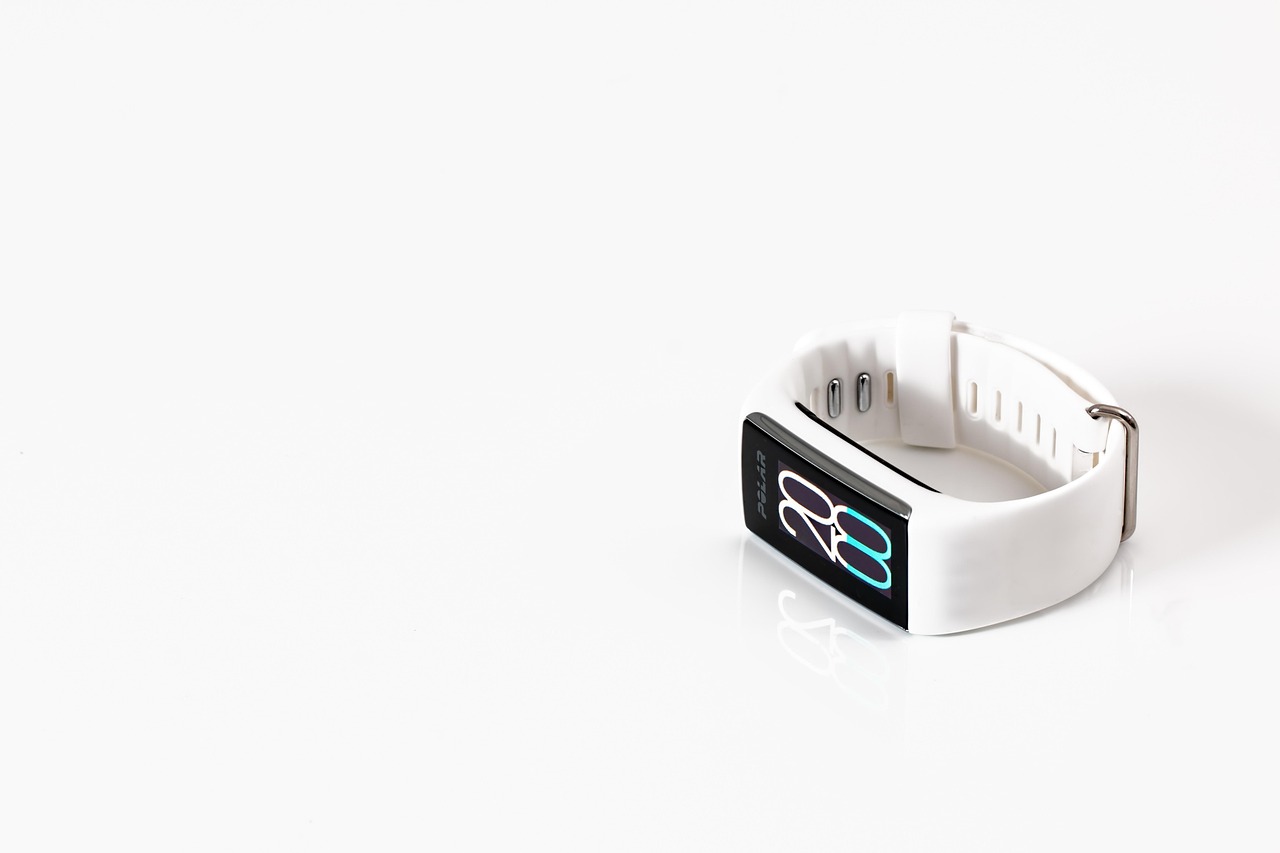

Wearable Fitness Devices: Tracking Health Beyond Steps
In recent years, wearable fitness devices have transformed from simple step trackers to complex health monitoring systems. These devices now incorporate advanced technology to provide real-time insights into various health metrics. Users can track their heart rate, sleep patterns, and even blood oxygen levels through wearables tailored to fitness enthusiasts. This evolution showcases how technology can facilitate a proactive approach toward health management. As consumers become increasingly health-conscious, the demand for comprehensive wearables is on the rise. Companies are integrating features like fatigue monitoring and stress management to help users achieve their fitness goals. Most wearables now connect seamlessly with mobile apps, allowing for personalized feedback and tracking progress over time. Multifunctional devices enhance the user experience by offering targeted advice based on collected data. Additionally, the healthcare benefits of wearable devices go beyond fitness; they can help prevent health issues before they arise. For example, early detection of irregular heartbeats can prompt individuals to seek medical attention sooner. As more people embrace wellness, the future of wearables looks promising, driving innovation across the fitness landscape.
The ongoing development of wearable fitness devices symbolizes a significant milestone in health technology. Innovations such as accelerometers and heart rate sensors help individuals achieve their personal fitness aspirations effectively. These sensors collect data on physical activities, allowing users to make informed decisions. Furthermore, advancements in battery life and design ensure that wearables are both functional and fashionable, enabling constant wear throughout daily activities. Integration with other digital health tools enhances the value of wearable devices. For example, syncing with nutrition apps helps users maintain healthier eating habits alongside their fitness journey. This synergy between fitness and nutrition creates a holistic approach to health management. Manufacturers are also focusing on comfort and style, offering customizable options that cater to individual preferences. The substantial data generated by wearables transforms personal fitness into a more engaging experience, enabling individuals to challenge themselves and share accomplishments on social platforms. As artificial intelligence continues to evolve, we can expect wearables to become even more intelligent and predictive, guiding us in ways we never thought possible. Overall, this dynamic shift in fitness trends empowers users through accessible health data.
Impact of Wearable Fitness Devices on Health Monitoring
The impact of wearable fitness devices is not limited to tracking physical activities; they significantly influence overall health monitoring. Through consistent data collection, these devices can highlight trends in a user’s daily routine. For instance, abnormal heart rate spikes could signal potential health concerns, prompting users to consult healthcare professionals. Over time, the amassed data can be invaluable for medical providers to assess and diagnose conditions effectively. Furthermore, wearable devices encourage individuals to foster healthier lifestyles by promoting regular exercise and better sleep hygiene. Sleep tracking capabilities allow users to gain insights into their sleep quality, revealing patterns that might affect their overall health. By analyzing sleep cycles, users can adjust their sleep habits for improved well-being. Moreover, advanced wearables now come with features that remind users to stay active throughout the day, taking a stand against sedentary behavior. This motivation empowers individuals to complete their daily exercise goals and stay engaged. Ultimately, the integration of wearables into health monitoring signifies a robust step toward preventative healthcare and increased awareness of personal wellness.
As the fitness landscape continues to evolve, wearable fitness devices play a crucial role in shaping trends. The introduction of smartwatches equipped with fitness applications further enhances tracking capabilities. These devices come with built-in GPS, enabling users to log outdoor activities without needing a smartphone. Additionally, many wearables provide real-time coaching and feedback, assisting users in optimizing their workouts. Personalized features, such as customizable fitness plans, aid in maintaining motivation throughout fitness journeys. This tailored approach allows individuals to set realistic goals and track their progress in a structured way. Fitness challenges and competitions among friends enhance user experience and foster a sense of community. The social aspect of wearable devices promotes accountability, encouraging users to stay committed to their health goals. Furthermore, continual technological advancements expand the range of functionalities available, including hydration reminders and menstrual cycle tracking for women. These customizable options make wearables appealing for diverse demographics. As health technology progresses, the collaboration between wearable devices and fitness professionals is essential for promoting healthy lifestyles among users.
The Future of Wearable Fitness Technology
The future of wearable fitness technology holds promising advancements. As technology continues to progress, we can anticipate even more sophisticated health monitoring features within these devices. Emerging trends indicate a possible integration of artificial intelligence, which may lead to personalized health recommendations based on individual fitness data. Devices will likely become capable of analyzing user behavior and suggesting improvements tailored to specific health objectives. We may also see enhanced data security measures as more personal health information is shared. Protection of user privacy will be paramount as wearables become staples in our everyday lives. Additionally, wearables may evolve to seamlessly integrate with smart home systems, allowing users to gain insights into their overall health and environment. Social capabilities will continue to grow, facilitating an interconnected fitness community and promoting collective well-being. Partnerships between tech companies and healthcare providers will further blur the line between fitness devices and medical-grade technology. Anticipating rapid growth in virtual reality integration, future wearables could provide immersive workout experiences. This innovative approach will make fitness enjoyable and accessible to everyone, ultimately driving a healthier society.
The overall acceptance of wearable fitness devices shows that consumers are seeking more than just aesthetic appeal; they want functionality and reliability in their health tools. Quality assurance, accuracy, and user-friendliness rank high in user preferences. Companies are competing to create the best devices that meet these demands while also being affordable. Users now expect a seamless user experience, meaning intuitive interfaces and accessible mobile applications are crucial. Regular updates and improvements based on user feedback have become essential for manufacturers. This focus on enhancing the user experience fosters brand loyalty and encourages continued consumer engagement. Educating users about device capabilities and features contributes to maximizing their benefits effectively. Health literacy plays a fundamental role in understanding the collected data and making informed lifestyle choices. As wearable technology becomes ubiquitous, promoting health education surrounding its use will be essential. Social media campaigns can help elevate awareness about the overall advantages of wearables in enhancing public health. Overall, a collective effort among consumers, manufacturers, and health professionals will drive the revolution in the fitness industry, promoting comprehensive wellness through advanced wearable technology.
Conclusion: Embracing Wearable Fitness Innovations
In conclusion, wearable fitness devices have transformed the way individuals engage with their health and wellness. The capabilities of tracking various health metrics beyond mere steps contribute positively to personal accountability and informed decision-making. By adapting wearables into everyday life, users can develop better awareness of their well-being. The benefits of these devices not only lie in fitness but also extend into various aspects of health management. As technology advances and wearers become more knowledgeable, the fitness industry must continue to innovate. Future wearables will likely further empower consumers by providing actionable insights tailored to individual needs. Collaborations between stakeholders in the fitness space will facilitate the development of devices emphasizing efficacy and diversity. Achieving a proactive approach to health through wearables ultimately fosters healthier communities. The integration of social components heightens motivation and encourages collective support. Ultimately, embracing innovations in wearable fitness technology will pave the way for a more active, engaged, and health-conscious society. As wearables continue to evolve, they will define the future of fitness, creating empowering paths for individuals to achieve their health aspirations.
As we reflect on the trends in the wearable fitness device market, it’s evident that the landscape will continue to adapt and grow. These innovations not only empower users to take charge of their fitness but also elevate the conversation around health technology. The shift toward preventative health measures signals a significant change in how we perceive fitness and illness. Through wearables, individuals can not only track their activity but also gain insights that were previously hard to quantify. This breakthrough opens the door to personalized health journeys that support individual goals and lifestyles. As adoption rates surge, industry leaders must prioritize user-centric design while maintaining high standards of accuracy and functionality. Additionally, addressing concerns about data privacy and security will become increasingly important as users become more reliant on technology. Ensuring transparency and user control over personal health data will foster trust and long-term utilization. As the fitness industry progresses, integrating innovative technologies such as augmented reality into wearables could redefine how users experience workouts and health tracking. Overall, the future looks bright for wearable fitness devices, promising exciting developments that align with consumer health priorities.