
The Psychological Benefits of Accessible Fitness Facilities
Accessible fitness facilities provide significant psychological benefits for individuals with disabilities, fostering a sense of inclusion and belonging. These environments enable people to overcome barriers that often hinder their participation in physical activities, which can greatly enhance their mental well-being. By offering adaptive equipment and specialized programs, accessible gyms create opportunities for all individuals to engage in fitness routines tailored to their specific needs. This sense of empowerment contributes to improved self-esteem and motivation, encouraging regular participation. Additionally, the social interactions that occur in these settings are vital. Meeting others in similar situations fosters a community of support and understanding, which is beneficial for mental health. Members can share experiences, offer encouragement, and celebrate achievements together. Moreover, regular physical activity is linked to reductions in anxiety and depression, reinforcing the value of accessible fitness facilities. They not only cater to physical wellness but also significantly impact emotional and psychological health. By nurturing both aspects, these facilities become essential parts of a holistic approach to well-being, enabling individuals to thrive and lead fulfilling lives.
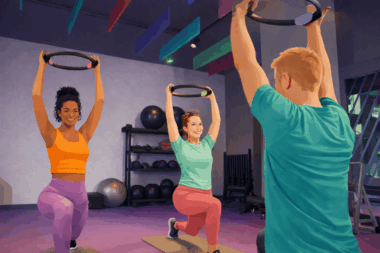
Accessible gym facilities also play an essential role in combating feelings of isolation that people with disabilities may experience. Many individuals face societal perceptions that can foster a sense of exclusion, ultimately impacting their mental health. Having access to adaptive fitness spaces provides an environment where individuals can embrace their physical abilities, regardless of their limitations. Furthermore, engaging in group fitness classes designed for all abilities promotes camaraderie and community. Men and women can work out together, sharing laughter, motivation, and success, creating an invaluable support network. This dynamic can transform the gym into a safe haven where everyone feels valued and understood. The structured routine of regular exercise supported by accessible facilities not only cultivates physical fitness but can also improve behavioral health. Studies show that routine physical activity can alleviate symptoms of anxiety, depression, and mood disorders. Therefore, when made accessible, fitness facilities become a crucial ally in promoting not just physical wellness but holistic mental health for individuals with disabilities. These settings foster resilience, cultivating a positive outlook on life, and empowering participants to confront daily challenges more confidently.
The Role of Community in Accessible Gyms
The role of community is indispensable within accessible gyms, providing crucial elements of encouragement and empowerment for individuals with disabilities. Connections between members can serve as foundational relationships that motivate regular attendance and active participation. As individuals strive to achieve their fitness goals, support from peers who understand their challenges can be profoundly impactful. Being part of a community helps eliminate the loneliness and feelings of isolation that often accompany disabilities, nurturing meaningful relationships through shared experiences in the gym. Accessible fitness facilities are designed to cater not just to physical needs, but also emotional ones. Workouts that accommodate various abilities allow members to train at their own pace while feeling motivated within a group setting. Additionally, community events and inclusive challenges can be organized, showcasing member achievements and fostering a collective identity. Celebrating each other’s successes motivates everyone to strive for personal milestones. These interactions and bonds formed in accessible gyms extend beyond the fitness environment, creating lifelong friendships that contribute to psychological well-being. Thus, building a community around accessible fitness is essential in helping individuals journey towards improved mental health and well-being.
Support from professionals in accessible gyms provides additional psychological benefits, acting as vital resources for individuals aiming to achieve fitness goals. Trained staff understand the unique needs of people with disabilities, offering personalized guidance, motivation, and encouragement during workouts. Their expertise not only helps in designing effective fitness plans but also bolsters the confidence of members embarking on their fitness journeys. Professional guidance can significantly enhance the experience, helping individuals feel less overwhelmed and more confident in their abilities. This mentorship aids in developing practical skills and fosters a stronger commitment to maintain a fitness routine. Collectively, these elements ensure that all members feel equipped and capable of achieving their personal goals. A well-structured support system can transform the gym experience, making it enjoyable and motivating. Regular feedback from trainers helps maintain accountability, increasing the likelihood of sustained engagement. Participants are more likely to stick with their fitness plans and pursue additional progression when they feel supported. Having professionals dedicated to supporting each individual’s journey fosters a nurturing environment — one that undeniably contributes to improved mental health and overall quality of life for individuals with disabilities.
Holistic Benefits of Inclusive Fitness
The holistic benefits of inclusive fitness are significant, transcending mere physical health. Accessible gyms contribute to the emotional and psychological well-being of individuals with disabilities by creating nurturing environments that promote growth. They provide opportunities to engage in various activities, teaching individuals how to navigate physical challenges while enhancing their capabilities. This process fosters resilience, encouraging members to push through difficulties both in fitness and daily life. Moreover, accessible gyms prioritize mental health and well-being by incorporating mindfulness practices integrated into workouts. By promoting stress-relief techniques and relaxation, these gyms not only enhance the workout experience but also facilitate mental clarity and emotional balance. Such inclusivity and focus on holistic health help create a culture that prioritizes overall wellness. Additionally, the shared journey towards improved fitness yields collective motivation, reinforcing community spirit. Individuals are encouraged to celebrate milestones, fostering an environment that promotes positive reinforcement. Consequently, accessible fitness facilities are transforming the lives of individuals with disabilities, nurturing both body and mind. The resulting confidence to engage actively in various aspects of life demonstrates the profound importance of accessible exercise environments for mental health support.
Furthermore, embracing diversity and inclusion within accessible com fitness facilities plays a significant role in promoting social change. By showcasing individuals with disabilities excelling in physical activities, these gyms help challenge societal stereotypes and misconceptions regarding capabilities. This visibility empowers not only gym members but also the broader community, inspiring more inclusive perspectives on disability. Education and awareness campaigns orchestrated within accessible facilities can positively influence society, encouraging acceptance and understanding. As members participate in fitness programs and witness their progress, they become ambassadors for disability representation in fitness and health. This shift cultivates an environment in which everyone can thrive, supporting equal opportunities for all patients and promoting dignity. Additionally, accessible gyms provide a space for individuals to discover their unique strengths, resulting in increased self-awareness. As people develop their physical abilities, they also challenge mental blocks and self-doubt, ultimately transforming how they perceive themselves. Joining the fitness community can bridge connections, foster empathy, and dismantle stereotypes while nurturing self-confidence. Thus, accessible gyms contribute to substantial shifts in narratives surrounding ability, showcasing the power of inclusive practices.
Conclusion: The Transformative Power of Accessible Gyms
In conclusion, the transformative power of accessible gyms extends far beyond physical fitness. These environments offer invaluable psychological benefits, helping individuals with disabilities foster community, improve mental well-being, and cultivate self-efficacy. By providing tailored resources, professional support, and a sense of belonging, accessible gyms elevate emotional health and resilience. They combat feelings of isolation while inspiring individuals to embrace their abilities and strengths. The role of community in these facilities is essential, ensuring a supportive network while encouraging growth, commitment, and motivation. Additionally, the inclusion of mindfulness practices and the focus on holistic health further enhances personal development. The social impact of these inclusive spaces also reverberates throughout society, challenging perceptions and elevating awareness about the realities of disability. Accessible fitness facilities empower individuals to break barriers, achieve personal goals, and inspire others along the way. As such, their importance in promoting mental health and crafting inclusive communities cannot be overstressed. Accessible gyms stand as beacons of hope, transforming lives through their commitment to fostering true inclusion and holistic well-being for all.
Accessible gym facilities also play an essential role in combating feelings of isolation that people with disabilities may experience. Many individuals face societal perceptions that can foster a sense of exclusion, ultimately impacting their mental health. Having access to adaptive fitness spaces provides an environment where individuals can embrace their physical abilities, regardless of their limitations. Furthermore, engaging in group fitness classes designed for all abilities promotes camaraderie and community. Men and women can work out together, sharing laughter, motivation, and success, creating an invaluable support network. This dynamic can transform the gym into a safe haven where everyone feels valued and understood. The structured routine of regular exercise supported by accessible facilities not only cultivates physical fitness but can also improve behavioral health. Studies show that routine physical activity can alleviate symptoms of anxiety, depression, and mood disorders. Therefore, when made accessible, fitness facilities become a crucial ally in promoting not just physical wellness but holistic mental health for individuals with disabilities. These settings foster resilience, cultivating a positive outlook on life, and empowering participants to confront daily challenges more confidently.