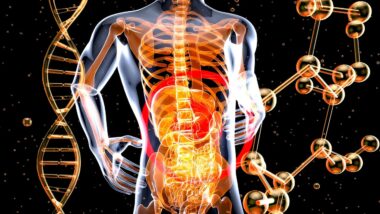

Supplements That Help Manage Stress-Induced Gut Issues
Stress can have a significant impact on gut health, leading to various gastrointestinal issues. Managing stress is vital, and many people turn to supplements that can ease these problems effectively. One popular option is probiotics, which are live bacteria that promote a healthy gut microbiome. They help balance gut flora and improve digestion. Probiotics can reduce anxiety and depression symptoms, leading to better overall mental health. Another important supplement is magnesium, which plays a crucial role in regulating the body’s stress response. Numerous studies have shown that magnesium can alleviate feelings of anxiety. Including magnesium-rich foods in the diet or taking a supplement may be beneficial for reducing stress-related gut disturbances. Omega-3 fatty acids, commonly found in fish oil, are known to have anti-inflammatory properties and can support brain health. They may also help stabilize mood and improve cognitive function, making them an excellent choice for stress management. Finally, herbal supplements such as ashwagandha and rhodiola have adaptogenic qualities, helping the body adapt and manage stress effectively. Their benefits can extend to gut health as well, providing overall relief.
Another supplement gaining attention is l-glutamine. This amino acid serves as a fuel source for intestinal cells and plays a critical role in maintaining gut lining integrity. It has shown promise in reducing the symptoms of leaky gut syndrome, which can be worsened by stress. Consuming l-glutamine may improve gut barrier function and enhance overall gut health. Moreover, vitamin D is crucial for immune function and has a positive influence on stress levels. Adequate vitamin D levels may help support the body during stressful times, thereby promoting a healthier gut. One of the best natural sources of vitamin D is sunlight, but supplements can also ensure sufficient intake, especially in the winter months. Another great supplement for managing stress is curcumin, derived from turmeric. Curcumin has powerful anti-inflammatory properties and can support digestive health. Studies indicate that it may help in reducing anxiety symptoms while providing relief for stress-related gastrointestinal discomfort. Finally, zinc should not be overlooked as it helps maintain a strong immune system. It also plays a vital role in mood regulation, making it an essential supplement for those dealing with stress.
Understanding Stress and Its Impact on Gut Health
The connection between stress and gut health is both fascinating and complex. It is well-established that stress triggers a cascade of biochemical responses that can lead to gastrointestinal problems. Cortisol, known as the stress hormone, can disrupt the gut microbiota balance, contributing to conditions such as irritable bowel syndrome (IBS) and inflammatory bowel disease (IBD). Hence, effectively managing stress is paramount to maintaining a healthy gut. Supplements mentioned earlier aim to support both mental and physical health, creating a holistic approach to combatting stress. Regular consumption of probiotics can help restore the natural balance of bacteria in your gut, reducing symptoms associated with stress-induced gut issues. Furthermore, stress might lead to unhealthy eating habits, which only exacerbate gut complications. By incorporating beneficial supplements like l-glutamine and omega-3 fatty acids, individuals can create a resilient intestines. It is essential to engage in stress-reduction techniques alongside supplementation; activities such as yoga, meditation, and regular exercise can support overall well-being. Understanding the intricate relationship between stress and gut health can empower individuals to take proactive steps toward improving their mental health and enhancing their gut function.
Addressing stress-induced gut health issues often requires a multi-faceted approach. While supplements are a critical component, lifestyle changes play an equally significant role. Adopting a balanced and nutritious diet can greatly influence gut health. Incorporating fiber-rich foods, such as fruits, vegetables, whole grains, and legumes, can aid digestion and promote the growth of beneficial gut bacteria. A diet high in processed foods or sugars can negatively affect gut health and amplify stress levels. Staying hydrated is also crucial for maintaining optimal digestion. Drinking enough water aids in nutrient absorption and helps in minimizing gastrointestinal discomfort. Combining dietary changes with the right supplements can yield the best results for gut health. Mindfulness practices, such as meditation, can also complement a supplement regimen. Specifically, mindfulness techniques contribute to stress reduction and encourage digestive health. Creating a daily routine involving stress-relief activities can help individuals develop habits that support their mental well-being. Furthermore, quality sleep cannot be overstated; sleep is essential for bodily recovery and stress management, and poor sleep can compromise gut function. Finding a holistic balance is key for improving stress-induced gut issues.
Choosing the Right Supplements for Stress Management
When selecting supplements for stress management and gut health, quality matters. It’s crucial to choose reputable brands that adhere to strict manufacturing standards. Searching for third-party testing labels can indicate good-quality products. Furthermore, individual needs may vary, and what works for one person might not be suitable for another. Consulting with a healthcare professional before starting any new supplement regimen is advisable. They can offer personalized recommendations based on specific health needs and existing conditions. It’s also essential to consider the potential interactions between different supplements and any medications one might be taking. Maintaining open communication with healthcare providers ensures a safe and effective approach to supplementation. Lifestyle factors, such as exercise and sleep quality, should also be part of the overall wellness plan. Adopting healthy habits alongside supplementation can enhance the body’s stress response and maintain long-term gut health. Tracking one’s progress can also provide valuable insights into how well different supplements are working. Keeping a journal to document any changes can help identify what is most effective for stress management and gut health. With dedication and informed choices, finding the right balance becomes attainable.
Incorporating stress management techniques alongside the use of supplements can create a comprehensive strategy for enhancing gut health. Techniques such as deep breathing, yoga, and regular physical activity can lower stress levels, contributing to a healthier gut environment. Wellness practices like these can also complement the efficacy of probiotics and other supplements. Maintaining social connections can act as a buffer against stress; spending time with loved ones can promote emotional health. Each individual’s journey to managing stress involves different approaches and methods, and it’s essential to remain flexible. Researching and adapting practices that resonate with personal lifestyles may yield better results. Regular assessment and adjustments to supplement intake can also lead to improved outcomes. Stress may manifest in various ways, impacting people’s lives differently, so being aware of one’s feelings and bodily responses is vital. Establishing a feedback loop through mindful awareness helps reveal whether supplements and strategies are effective. Seeking support through professional counseling may also be beneficial for individuals experiencing chronic stress. With time and consistent effort, individuals can boost their resilience to stress and foster a positive gut environment.
Conclusion and Final Thoughts
Managing stress-induced gut issues through supplementation requires a multifaceted approach, combining diet, lifestyle changes, and quality supplements. From probiotics to omega-3 fatty acids, various options cater to individual needs and preferences. Remember that everyone’s body reacts differently to supplements, and a tailored approach often yields the best results. Consistency in using supplements, alongside stress-relief techniques, fosters better gut health and emotional well-being. Moreover, understanding the connection between stress and gut function empowers individuals to make wiser health choices. Tracking progress through journaling allows for necessary adjustments that ensure optimal outcomes. This holistic comprehension can guide better decisions regarding wellness and supplementation. As you embark on your journey toward improved gut health, consider incorporating a balanced diet, mindfulness practices, and regular exercise into your routine. By approaching stress management from various angles, you’re not just relieving current symptoms; you’re also paving the way for long-term well-being. Health professionals can offer invaluable guidance, enhancing your efforts and results. Prioritizing self-care is essential, and with dedication, achieving balance between stress management and gut health becomes a reachable goal.
As you navigate through the stress and its impact on gut health, make sure to incorporate a variety of supplements that work for you. Staying informed about the latest studies and findings on stress management can enable you to choose wisely. Engaging with communities online or seeking advice from healthcare professionals can empower your journey. Every step toward understanding the connection between your mind and gut can positively influence your health. You need to develop a plan that manages stress while enhancing your gut function. A robust support network, whether family, friends, or health professionals, can foster resilience during stressful times. It’s crucial to assess your wellness regularly to adapt to any changes in your situation. The right balance of supplements, supportive relationships, and stress management techniques can empower you to lead a healthier and more fulfilling life. Over time, these practices can contribute significantly to your overall health resilience. Be patient with yourself and stay committed to your wellness journey. Moving forward, consider scheduling regular check-ins with your healthcare provider to help track your progress comprehensively.