
Safety Tips Every Beginner Swimmer Should Follow
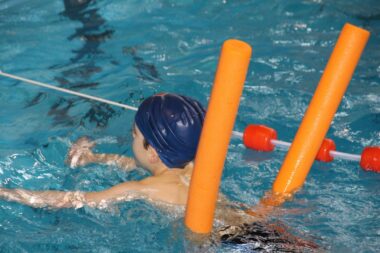
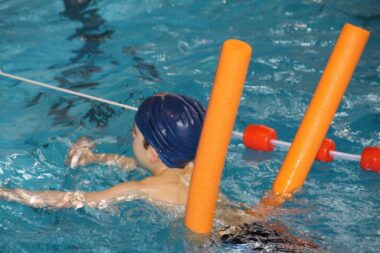
Swimming is a fun and rewarding activity, but safety should always be your top priority. As a beginner swimmer, it’s crucial to understand the risks involved in being in the water, including drowning. Familiarize yourself with the swimming environment, checking for depth and current. Start your swimming practice in shallow water where you can stand comfortably. Always swim with a buddy and never swim alone; an experienced swimmer can assist you in emergencies. Use flotation devices, like kickboards, when practicing strokes, enabling you to gain confidence. Before entering the water, ensure you have a good understanding of basic swimming techniques. This will help prevent accidents. Another important aspect of swimming safety is understanding water conditions. Be aware of weather changes that may impact swimming conditions, such as waves or currents. Always listen to lifeguards or officials regarding swimming rules. Wearing proper swim gear is equally important; a swimsuit that fits well can enhance your comfort. Finally, take swimming lessons from certified instructors to build skills and confidence, ensuring your overall safety during swimming activities.
Staying alert and aware is essential when swimming, especially for beginners. It can be easy to get distracted and lose focus, compromising your safety. Make a habit of frequently checking your surroundings for potential hazards, such as sharp objects in the water or other swimmers. Understanding your limits is equally important; don’t push yourself too far, especially when you’re still learning to swim. Take breaks to prevent exhaustion, which can lead to accidents. Also, don’t swim immediately after eating; give your body time to digest the food. Always follow swimming guidelines set by pools and other facilities, as these ensure safety and welfare for all swimmers. Make sure the area where you are swimming has a lifeguard present, as this provides an additional layer of safety. If you feel tired or uncomfortable, it’s wise to exit the water. Educating yourself about basic rescue techniques can also help. Learning how to float on your back can be invaluable in distress. Remember that swimming is a skill that requires practice, patience, and a focus on safety, which will enhance your experience as a beginner swimmer.
Importance of Warming Up
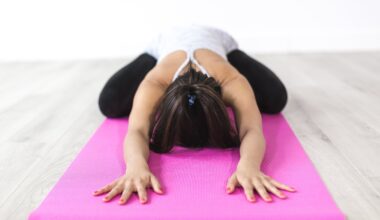
Warming up before swimming is often an overlooked but critical factor for beginner swimmers. Engaging in a proper warm-up routine helps prepare your body for physical activity, reducing the risk of injuries. Dynamic stretches that focus on shoulder and leg movements can effectively enhance your flexibility and mobility. Spend at least 10 minutes warming up before hitting the water. This could include light jogging or arm circles. Additionally, consider doing some dry-land exercises to strengthen your muscles. Stronger muscles directly translate into better performance and endurance while swimming. Furthermore, warming up also helps improve your circulation, preparing your cardiovascular system for the workout ahead. As a beginner, this preparation can significantly benefit your confidence levels as well; knowing you are physically ready helps you to swim more effectively. Hydration is another aspect of starting your swim; ensure you drink water before and during your swim. Keeping your body hydrated is essential under the sun or in heated pools. After warming up, take a moment to visualize your swim techniques and strokes, setting a positive mindset for your training session in the water.
Each swimming session offers the chance to refine your skills and improve safety awareness. Practicing swimming drills is essential for beginners aiming to build a solid foundation in swimming techniques. Focus on mastering one stroke at a time to prevent confusion and ensure you are executing techniques correctly. Freestyle, backstroke, breaststroke, and butterfly should each be practiced systematically. Take time to receive feedback from instructors or experienced swimmers; they can provide valuable insights on your performance. Private lessons may be beneficial if you prefer personalized attention, helping you grow faster. Remember to practice breathing exercises, which are vital for controlling your oxygen intake while swimming. Proper breathing technique enhances your endurance, allowing you to swim longer distances. Incorporate drills that focus on kicking, gliding, and arm movements while swimming laps. Consistency is the key; try to swim regularly every week to develop muscle memory. Your progress will depend on how diligently you practice and implement recommendations. Additionally, consider connecting with local swimming communities for motivation and camaraderie in your swimming journey, enhancing the learning experience significantly.
Dealing with Water Anxiety
Many beginners experience water anxiety, which can hinder their swimming progress and enjoyment. Overcoming this anxiety is a crucial step for any new swimmer. Begin by familiarizing yourself with the water and slowly getting comfortable in shallow areas. Allow yourself to adapt gradually; this could be accomplished by spending time sitting at the edge and dipping your legs in. Once comfortable, you can try floating on your back while being supported by a flotation device or holding the side of the pool. Slowly increasing your exposure will help diminish your fears. Consider breathing exercises both in and out of the water, as maintaining steady breathing can alleviate panic. Don’t hesitate to share your worries with instructors or friends who can help you through this experience with support. Visualizing positive swimming experiences can also help reduce anxiety; envision yourself swimming confidently and successfully. Lastly, never forget to reward yourself for small accomplishments; progress is progress, and recognizing these steps is vital. With patience and practice, you will learn to enjoy the water and embrace the thrilling adventure of swimming completely.
In addition to the physical aspects of swimming, mental focus plays a significant role in ensuring safety for beginners. Maintaining a strong mindset enhances your performance and decision-making in the water. Practice mindfulness techniques; this can help create a sense of calm when you’re in the water, allowing you to concentrate on your stroke technique. Setting specific goals for each swimming session will help keep you motivated and focused. Aim for small, achievable goals, such as perfecting an arm movement or improving breathing patterns during your stroke. As you achieve these goals, you will feel a sense of accomplishment to boost your confidence. Recording your progress through a swim journal can optimize your focus and determination as you track achievements and areas needing improvement. Moreover, embrace the importance of relaxation; being tense contributes to fatigue and impairs your swimming abilities. Focus on your posture and balanced movements to create efficiency. Remember, swimming is both a physical and mental journey; developing your mental strength complements your technical skills, contributing to a safer and more enjoyable experience as a beginner swimmer.
Post-Swim Practices
After completing your swim, it’s just as important to focus on post-swim practices to maintain safety and well-being. Start by gently cooling down, transitioning from swimming strokes to lighter exercises. This helps prevent muscle stiffness and promotes recovery. Stretching your muscles post-swim will enhance flexibility, reducing soreness and promoting better recovery for future swimming sessions. Hydrating adequately after swimming is crucial; water replenishes fluids lost during your swim, keeping your body in optimal condition. Additionally, consider taking a warm shower to cleanse your body of chlorine or saltwater, providing comfort and further relaxation. Follow this up with a nourishing snack that includes protein; this supports muscle recovery. Reflecting on your swimming session can help formulate better practices for future training. Identify what worked well and areas for improvement. Finally, ensure you take proper care of your swimming gear. Rinse swimsuits and goggles thoroughly after use to prolong their lifespan. Maintain your gear diligently for a better swimming experience. By integrating these post-swim practices, you will support your journey in becoming a more proficient and safer swimmer.
Ultimately, swimming is a fantastic way to stay active, socialize, and challenge yourself. By focusing on the essential safety tips and proper techniques, you will become more confident and capable in the water. Incorporating these practices into your routine will prepare you for future swimming endeavors, reinforcing your knowledge and awareness. Remember that mastering swimming takes time; don’t rush the process. Embrace the journey, celebrating small victories as they come. Prioritize discussions about your challenges with teammates, instructors, or friends, as this will enhance support systems. Attend open swim sessions to practice in a relaxed environment, allowing you to apply your skills in real-time. Never underestimate the value of community; join local swimming clubs or organizations to learn from seasoned athletes. They can provide tips for improvement and enhance your enjoyment. Safety should always remain the priority in every swimming activity, ensuring that your experience is as pleasurable as it is rewarding. As a beginner swimmer, empower yourself through knowledge, practice, and the right mindset, leading to a lifetime of enjoyment in the water.