
Preventing Falls in Older Adults: Strategies by Physical Therapists
Falls are a significant risk for older adults, leading to severe injuries and complications. Physical therapists play a crucial role in fall prevention by assessing individual needs and implementing tailored exercise programs. These professionals conduct comprehensive evaluations of strength, balance, and mobility to identify fall risks. They also educate seniors on safe movement strategies to increase independence and confidence. By promoting physical activity, therapists enhance balance and coordination among older adults, significantly reducing fall incidents. One primary strategy involves strength training exercises that focus on muscle building, particularly in the legs and core. Moreover, flexibility training is essential for maintaining full motion range, thereby preventing falls. Physical therapists also emphasize the importance of maintaining proper footwear and eliminating environmental hazards at home. This comprehensive approach can empower seniors to take charge of their safety and well-being. Regular follow-ups are crucial to monitor progress and modify exercise programs as needed. Physical therapists may even incorporate technology, such as balance-assist devices, to support clients in their journey towards improved stability. Their expertise is invaluable in safeguarding the quality of life for seniors and promoting healthier aging practices.
In addition to exercise, physical therapists provide education about the various medical conditions that can affect balance and mobility. Conditions such as arthritis, diabetes, and neurological disorders can impair physical capabilities, making seniors more susceptible to falls. Therapists work collaboratively with other healthcare professionals to ensure comprehensive care and management of these conditions. They educate clients on understanding medications that might impact balance, helping to minimize risks associated with side effects. Clients learn about movements to avoid that can lead to falls, such as quick changes in direction or sudden stands from a seated position. Beyond physical exercises, therapists often conduct home safety assessments, identifying potential hazards that could endanger older adults. This may include cluttered walkways, inadequate lighting, or the need for grab bars in bathrooms. Recommendations made by therapists ensure that the living environment is as safe and accommodating as possible. Moreover, engaging family members in the process fosters a supportive environment, encouraging participation in safety practices. By equipping older adults with knowledge about their conditions and home safety, physical therapists play a vital role in facilitating healthier and safer living environments, ultimately allowing seniors to remain independent as long as possible.
Importance of Balance Training
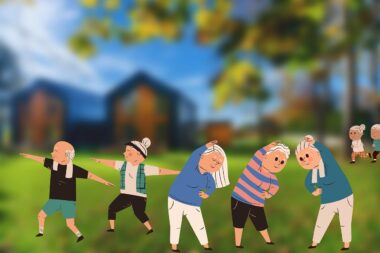
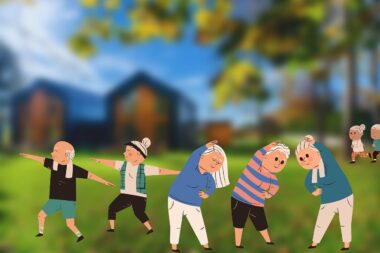
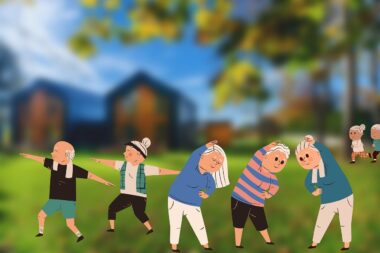
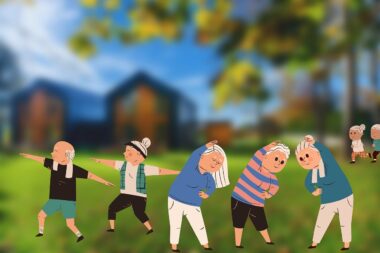
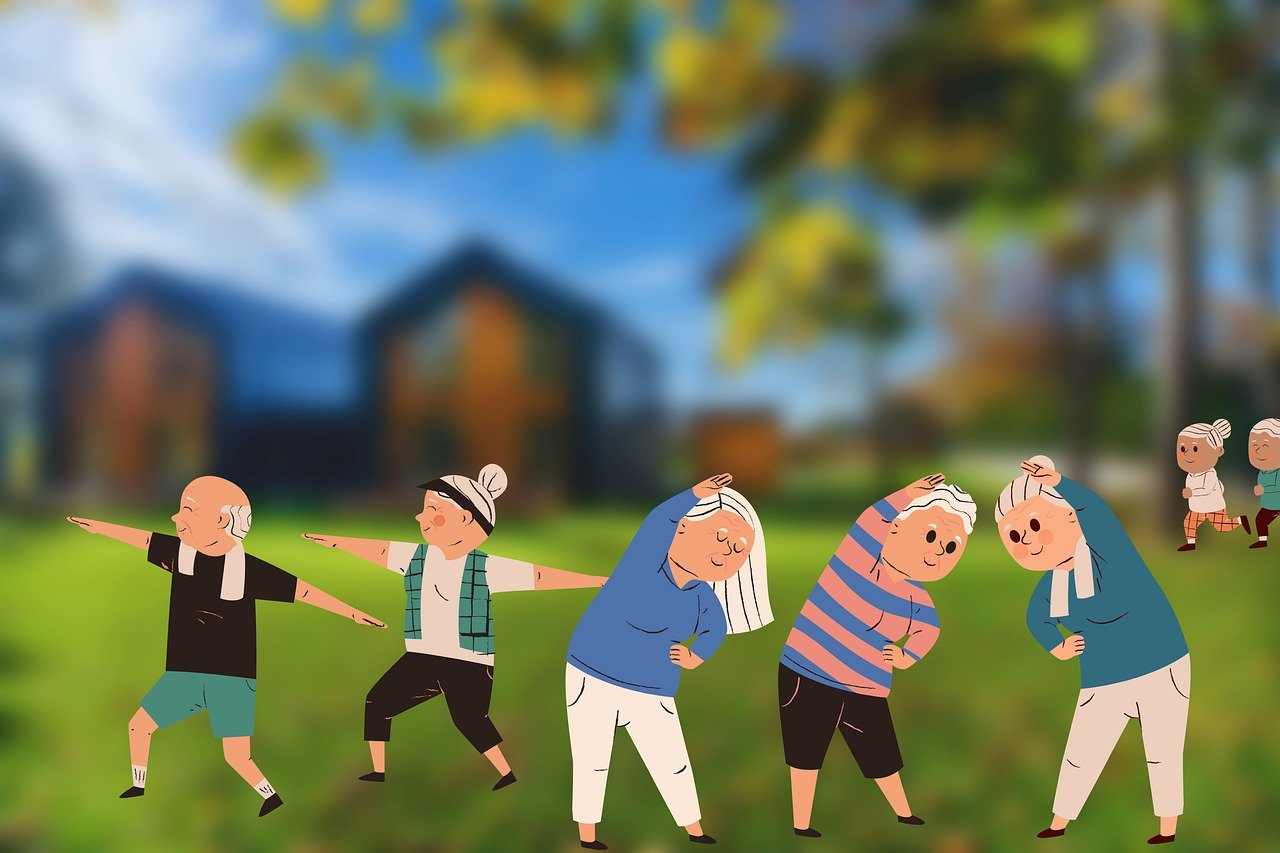
Balance training is at the core of fall prevention strategies for older adults. Physical therapists implement various balance exercises to help enhance stability and coordination. Simple activities such as standing on one foot, heel-to-toe walking, and Tai Chi can significantly improve an individual’s balance and body awareness. Encouraging regular participation in these activities contributes to a decrease in the likelihood of falls, fostering confidence in mobility. Additionally, engaging in community-based balance and strength programs can create social connections among participants, which adds further motivation for seniors to maintain their commitment to exercising regularly. Physical therapists often integrate balance training into personalized programs tailored to individual capabilities and fitness levels. They monitor clients closely to ensure exercises are performed correctly, reducing the risk of injury during training. As clients build strength, the types and difficulty of balance exercises can be gradually increased to challenge and develop their skills. Incorporating balance training into everyday routines can lead to long-term improvements in mobility and confidence, significantly impacting seniors’ quality of life. By emphasizing this vital component, physical therapists empower older adults to live active and fulfilling lives while minimizing fall risks effectively.
Another crucial aspect of fall prevention is the integration of technology and home modifications. Physical therapists advocate for the use of assistive devices that enhance mobility and safety, such as canes or walkers. By assessing the individual’s needs, therapists recommend appropriate devices that can offer necessary support while encouraging independence. They also provide training on how to use these devices effectively, ensuring seniors feel confident. Beyond mobility aids, therapists also recommend environmental modifications to reduce fall risks within the home. Installing grab bars in bathrooms, removing area rugs, and ensuring adequate lighting are simple modifications that can make significant differences. Physical therapists not only suggest these adjustments but also educate clients and their families about the importance of regular assessments, such as adjusting furniture positions or changing lighting as needed over time. Furthermore, they encourage seniors to stay physically active outside the home with community programs aimed at enhancing strength and balance. Incorporating lifestyle changes can ultimately support an ongoing commitment to safety. Physical therapists equip older adults with the skills, knowledge, and confidence needed to navigate their environments safely, leading to a more secure and stress-free living experience as they age gracefully.
Monitoring Progress and Community Engagement
Monitoring progress is essential in fall prevention strategies as it allows physical therapists to adjust exercise programs appropriately. Regular assessments help track improvements in strength, balance, and overall mobility, ensuring clients remain challenged without being at risk for injury. By setting measurable goals, therapists encourage older adults to stay motivated and engaged in their exercise routines. Adjustments can be made based on progress, providing clients with new challenges to achieve and reinforcing their commitment. Encouraging community engagement in wellness programs not only offers social support but also fosters a sense of belonging and accountability among participants. Group activities led by physical therapists can cultivate friendships while enhancing physical fitness. This social interaction promotes mental well-being, further contributing to overall health and fall prevention efforts. Many community centers provide programs specifically designed for seniors, focusing on exercises that improve strength, flexibility, and balance. Physical therapists often collaborate with these organizations to offer specialized classes that meet the needs of older adults. In doing so, they significantly enhance access to safe exercise options while building community resources to support healthy aging, ultimately striving to reduce the risk of falls among older individuals.
In summary, the role of physical therapists in preventing falls for older adults is multi-faceted and essential. Through thorough assessments, personalized exercise plans, and education about health risks, they play a pivotal part in promoting safer aging practices. Emphasizing strategies such as balance training, home modifications, and the adoption of assistive devices empowers seniors to maintain independence while reducing their fall risks. The holistic approach taken by physical therapists addresses both physical and environmental components impacting fall prevention. Continued support and monitoring ensure clients stay engaged in their progress and make necessary adjustments to their routines. Creating awareness within communities about the importance of fall prevention is vital in fostering collective efforts toward safer environments for older adults. Empowering seniors through knowledge, improved mobility, and social connections cultivates resilience against physical decline and enhances their quality of life. Families and caregivers must also be involved in these discussions, as a supportive network encourages adherence to safety practices. With ongoing efforts by physical therapists and community aides, we can build a safer future for older adults, allowing them to thrive as they age and remain active participants in their communities.
As the population of older adults continues to grow, addressing the risks associated with falling becomes increasingly urgent. Communities can foster environments that prioritize the safety and well-being of seniors, incorporating physical therapists as essential members of the healthcare team. Initiatives that promote awareness around fall prevention and healthy aging are vital for combating age-related challenges. Physical therapists can lead workshops and seminars that educate both seniors and their families about key strategies for maintaining strength and balance. Initiating discussions that focus on the correlation between physical health and fall prevention can significantly enhance community engagement. Moreover, integrating fall prevention strategies into routine healthcare assessments ensures early identification of risks and targeted interventions. Community partnerships can strengthen fall prevention initiatives by uniting resources and promoting healthy navigation for older adults in public spaces. Public installations, well-marked walking paths, informative signs, and resting areas can support safer mobility for seniors. By aligning community resources and healthcare expertise, we can work towards reducing fall incidents and encouraging enhanced emotional well-being among older adults. This comprehensive approach ensures that seniors can age gracefully and with dignity, enjoying the activities they love without the constant fear of falling.
In conclusion, the integration of physical therapy in senior fitness, particularly in fall prevention tactics, is essential. With targeted exercise plans, education, and continuous support, older adults can feel empowered to maintain their strength and independence. Safety and wellness should take precedence in the lives of seniors, underscoring the importance of professional guidance from physical therapists. Collaboration with family members and healthcare providers will create a strong web of support that facilitates safer living conditions. As communities continue to recognize the value of this preventive approach, the potential for reducing falls and enhancing overall well-being among seniors will grow significantly. Research continually highlights the benefits of early intervention and ongoing physical activity in maintaining health as we age. It’s imperative to motivate older adults to engage actively in their wellness journey and regularly participate in recommended activities. By doing so, we promote resilience against age-related decline, encouraging positive health outcomes. The commitment of physical therapists to create individualized programs and provide critical insights on seniors’ specific needs cannot be overstated. Ultimately, safeguarding the health of older adults leads to improved quality of life and greater community longevity, ensuring a more prosperous and fulfilling life for all.