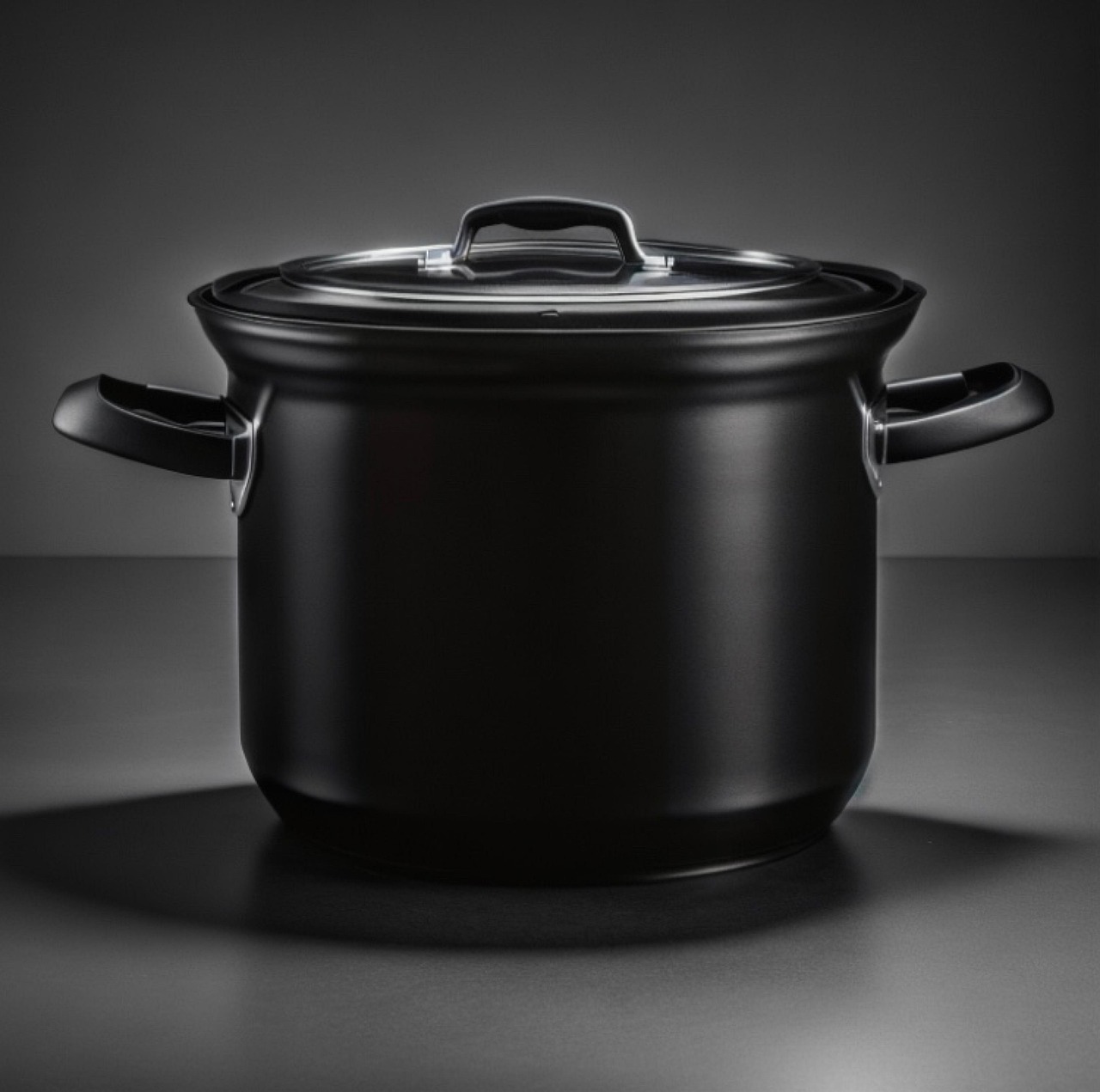

Pressure Cooking and Nutrient Loss: What the Research Says
Pressure cooking is a popular method for preparing meals quickly while retaining flavor. However, there are numerous misconceptions about how this technique affects nutrient loss. Scientists have investigated the impact of cooking methods on nutrient retention, finding that pressure cooking can be beneficial. According to research, the high pressure and temperature used in this technique often lead to less nutrient degradation compared to boiling or steaming. The Colloquium on Cooking Methods summarized that pressure cooking helps preserve nutrients by reducing cooking time. Vegetables prepared using this method often retain more vitamins and minerals. For instance, studies indicate that pressure-cooked broccoli retains significant amounts of vitamin C when compared to other cooking methods. Additionally, the closed system of pressure cookers prevents water-soluble vitamins from being lost through evaporation. This is a significant advantage when preparing nutrient-dense foods. Still, individual results may vary, depending on the specific food being cooked. In general, opting for pressure cooking can be considered a healthy cooking choice to optimize nutrient retention while also saving time, making it a preferred method for busy families looking to maintain a nutritious diet.
Another major concern when discussing nutrient loss in cooking is the effect of heat and preparation time. Many people assume that all cooking methods result in significant nutrient degradation, but this isn’t entirely accurate. Studies have shown that while heat can destroy certain vitamins, like vitamin C and some B vitamins, pressure cooking significantly reduces this loss due to its shorter cooking durations. During traditional boiling of vegetables, many water-soluble vitamins leach into the cooking water which is often discarded. In contrast, pressure cooking minimizes the exposure to water, preserving more of these nutrients in the food. In one investigation, it became evident that spinach retained nearly 75% of its vitamin C content when pressure-cooked, whereas boiling led to much higher losses. Thus, pressure cooking not only limits nutrient loss but may also enhance the flavor of the food, appealing to many cooks. The debate about nutrient retention often overlooks the important role of cooking methods like pressure cooking. By integrating pressure cooking into meal preparation, individuals can enjoy nutritious meals without compromising on taste or time, proving it a worthy addition in kitchen practices.
The Benefits of Pressure Cooking
In addition to nutrient retention, pressure cooking presents several other benefits. This method allows for the cooking of whole grains and tougher cuts of meat that could usually take hours to become tender. By using pressure, these foods cook much more rapidly while also maintaining their nutritional value. Furthermore, pressure cooking can contribute to reduced energy consumption when compared to conventional cooking methods. Energy efficiency is an essential consideration, especially for households looking to minimize their carbon footprint. It not only saves time but also provides an excellent solution for families on the go, making healthy meals more accessible. Research highlights suggest that foods cooked with pressure also have improved texture and could contain more flavors, which can enhance the overall dining experience. Different types of pressure cookers, such as stovetop or electric, provide cooks with options to suit their kitchen needs and preferences. Moreover, studies indicate that pressure cooking can destroy harmful bacteria and pathogens effectively due to its high temperature. As a result, pressure cooking stands as a multifaceted approach to meal preparation that meaningful families can adopt while ensuring adequate nutrients and organoleptic qualities in their meals.
Despite the benefits, some misconceptions about pressure cooking continue to persist. One misunderstanding is that all nutrients are lost solely due to the high temperatures involved in pressure cooking. It’s crucial to clarify that not all nutrients react similarly to heat; fat-soluble vitamins, such as A, D, E, and K, generally remain more stable than water-soluble vitamins. Nutrient loss also depends on several factors, including cooking time and the specific food being prepared. It’s important to avoid overcooking the food, which can lead to nutrient degradation. Consequently, timing and temperature play critical roles in successfully utilizing pressure cooking. The culinary community continuously advocates for the need to educate individuals about recognizing proper durations for pressure cooking various foods because this will maximize nutrient retention. It’s also vital to experiment with diverse recipes that embrace this method for better outcomes. By doing so, people can take full advantage of pressure cooking’s benefits while also enjoying delicious meals that cater to their nutritional needs and preferences.
Comparing Pressure Cooking with Other Methods
When examining nutrient retention across different cooking methods, pressure cooking often outshines alternatives like boiling or microwaving. Studies comparing these techniques have illustrated the efficiency of pressure cooking at preserving vital nutrients. Research examining the nutrient profiles of various cooked vegetables has discovered that pressure-cooked options significantly outperform their boiled counterparts. For instance, vegetables such as carrots and potatoes retain more beta-carotene when prepared under pressure. One reason for this is that the rapid cooking process limits the time the vegetables spend exposed to heat, which degrades nutrients, ultimately leading to significantly better outcomes. Furthermore, microwave cooking has been debated in nutrient retention discussions, where results tend to be varied. Microwaving can retain nutrients due to reduced cooking times but does not always guarantee that the same levels of nutrients remain intact. Conversely, pressure cooking takes advantage of both time and temperature, ensuring that nutrients are adequately preserved. People seeking healthier nutrition must consider how various cooking methods influence nutrient retention for optimal results while preparing strategies to create engaging and nutrient-rich meals.
Purchasing a pressure cooker involves considering several factors to enhance your cooking experience. Size, type, and material are vital features to consider carefully. Moreover, interest in healthier cooking options has significantly contributed to the rising popularity of pressure cookers in recent years. Not only are they time-efficient, but consumers are increasingly drawn to their utility in nutrient preservation. Research articles highlight that most modern pressure cookers are designed with safety features, allowing both novices and experienced cooks to enjoy stress-free cooking. Understanding how to operate a pressure cooker effectively can make all the difference when it comes to meal preparation. Both stovetop and electric varieties have their unique advantages that users might choose based on personal preference and usage. Considering the benefits in flavor, nutrient retention, and ease of use, pressure cookers represent one of the most advantageous kitchen tools available today. Cooks looking to adopt healthier meal prep practices should certainly evaluate the incredible opportunity that pressure cooking offers while adapting to their lifestyle. Ultimately, integrating this cooking method into diet plans encourages nutritious home-cooked meals consistently.
Conclusion
In conclusion, pressure cooking is a valuable method that significantly contributes to nutrient preservation while also enhancing flavor and reducing meal prep times. Research indicates that this cooking method should not be overlooked as unhealthy or ineffective; rather, it stands as a practical solution for many people striving to retain nutrients while enjoying flavorful dishes. The flexibility and effectiveness of pressure cooking make it an asset for modern kitchens, accommodating various preferences and dietary needs. It is vital for individuals to understand its benefits when aiming to optimize nutrition, particularly in a fast-paced world where convenience matters. Continuing to demystify pressure cooking through educational resources and cooking communities is essential for promoting correct practices around this method. By implementing tastier, more nutritious meals, families can experience the direct advantages of pressure cooking while remaining committed to maintaining a healthy lifestyle. As more people embrace this method, it will become apparent that it is an effective method of both cooking and nutrition preservation. Pressure cooking successfully combines efficiency and nutrition, redefining boundaries for home-cooked meals.
Overall, it’s crucial to explore the importance of understanding and utilizing pressure cooking in the modern culinary landscape. With continuous research backing the nutritional benefits of this method, individuals can confidently incorporate it into their regular dietary practices. Addressing myths surrounding cooking methods, especially regarding nutrient loss is essential for fostering healthier cooking habits and improving overall public health. Families aiming to provide nutritious meals should give serious consideration to adapting pressure cooking into their routines, discovering new and creative ways to prepare their favorite foods. Transitioning to this method may present opportunities to experience culinary dishes differently. Pressure cooking ultimately aligns both convenience and nutrition in a style pleasing to health-conscious cooks. As delightful meals can be prepared without compromising key nutrients, pressure cookers indeed serve as a tool capable of transforming meal preparation into an enjoyable and enriching activity. Ensuring awareness about its advantages will empower individuals to embrace this effective cooking method, ultimately redefining their approach to healthy eating. Encouraging both education and experimentation in the kitchen leads to innovative cooking practices benefiting nutrition and cooking enthusiasts alike.