
Pre-Workout Carbohydrate Intake for Vegan and Vegetarian Athletes
Carbohydrate intake plays a vital role in the performance of any athlete, especially for those following vegan or vegetarian diets. Since plant-based diets can sometimes lack high-glycemic carbohydrates found in animal products, understanding pre-workout carbohydrates becomes essential for optimal athletic performance. Consuming the right type of carbs before exercise helps to replenish glycogen stores, which is crucial for sustaining energy levels during training and competitions. Moreover, carbohydrates are fundamental for enhancing endurance, which is particularly important for athletes involved in prolonged physical activities. By timing carbohydrate consumption properly before workouts, vegan and vegetarian athletes can maximize their energy output and minimize fatigue. It’s advised that athletes select foods with a high glycemic index, as they release glucose more quickly into the bloodstream. Safe choices include fruit, whole-grain products, and legumes, ensuring that energy is sustained. In this article, we will delve into which carbohydrates are best suited for pre-workout intake among athletes adhering to plant-based diets. We will also explore practical tips to optimize carbohydrate consumption for improved athletic performance and recovery.
One significant advantage of consuming carbohydrates as a pre-workout strategy is their ability to boost performance. This is especially important for vegan and vegetarian athletes who must ensure that they receive sufficient carbohydrate-rich foods to fuel their activities. When consumed strategically, carbohydrates not only enhance performance but also aid in muscle recovery post-exercise. Athletes should aim to include complex carbohydrates in their diet, such as whole grains, beans, and starchy vegetables, which provide a slow and steady release of energy. Simple carbohydrates, including fruits and sports drinks, can also be beneficial in increasing energy levels before workouts. It’s crucial for these athletes to understand that the body relies on glycogen stores during physical activity, so replenishing these stores with the right mix of carbs is key to enhancing endurance. Each individual’s carbohydrate needs may vary based on workout intensity, duration, and personal metabolic factors. Consulting with a nutritionist can help tailor carbohydrate intake to the individual needs, ensuring that energy levels remain high throughout workouts and competitions.
Optimal Timing of Carbohydrate Intake
The timing of carbohydrate intake is crucial for vegan and vegetarian athletes to maximize their performance. Ideally, carbs should be consumed two to three hours prior to the workout to allow for optimal digestion. This pre-workout meal should include a blend of both complex and simple carbohydrates. Options like a banana with peanut butter or oatmeal with fruits can provide the necessary nutrients while sustaining energy. Quick-digesting carbs, like energy gels or sports drinks, can also be consumed closer to the workout time, particularly for those needing a jolt of energy just before exercise. It’s essential also to focus on hydration during these timings, as proper hydration can improve athletic performance. Including potassium and magnesium-rich foods alongside carbohydrates can also enhance muscle function and prevent cramping. In summation, an awareness of timing, food choices, and hydration strategies builds a solid foundation for carbohydrate consumption tailored to improve athletic outcomes. Having a structured plan not only helps in performance but also assists in recovery and overall health.
Some athletes may struggle to meet their carbohydrate needs due to restrictions in their dietary choices. For vegan and vegetarian athletes, various plant-based options can effectively provide the required energy sources. Foods like quinoa, sweet potatoes, beans, and lentils are excellent sources of carbohydrates as well as proteins. Pairing these foods can enhance the amino acid profile essential for muscle recovery. Utilizing snacks like rice cakes, fruit smoothies, or nut bars can also help between meals to ensure that energy levels do not dip. Moreover, worth mentioning is the critical nutrient role of fiber present in many plant-based carbohydrate sources, which aids digestion and prolongs satiety. However, athletes need to balance fiber intake pre-workout to avoid gastrointestinal discomfort during training. Experimenting with different food combinations in their diet helps to identify what works best for each individual athlete’s digestive tolerance and energy requirements. This personalized approach will lead to better performance outcomes and maintain enthusiasm in their workouts. Ensuring food variety and balance will aid in achieving the energy levels necessary for peak physical performance.
Vegan and Vegetarian Carbohydrate Sources
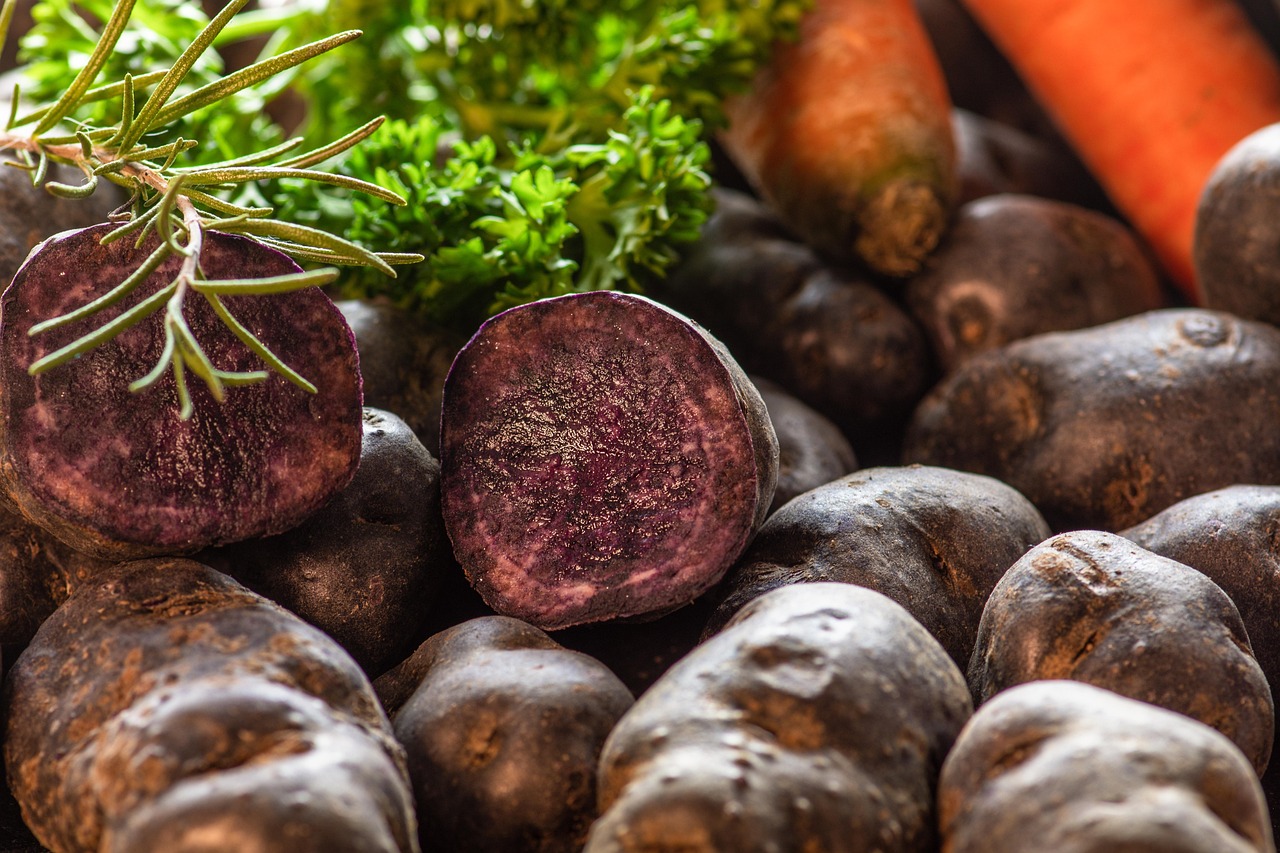
To maintain energy levels, vegan and vegetarian athletes should explore various carbohydrate sources. Grains, beans, and fruits provide plenty of choices to meet their energy needs. Out of grains, brown rice and barley are preferred due to their rich nutrient profile and dominance in the carbohydrate sector. Additionally, potatoes, including sweet potatoes, offer not only carbohydrates but also vitamins and minerals of great value.Beans, including black beans and chickpeas, serve a dual purpose by providing carbohydrates and proteins. Fruits, particularly bananas, are excellent pre-workout snacks due to their high sugar content and quick digestibility. Additionally, visualizing potential meal combinations can aid meal preparations. Smoothies that blend bananas, oats, and plant-based protein can serve as a pre-workout beverage loaded with carbohydrates and essential nutrients. Furthermore, it’s vital for athletes to focus on whole, minimally processed ingredients to ensure maximum nutrient absorption and overall health while benefiting performance. By planning meals around these carbohydrate sources, vegan and vegetarian athletes can effectively meet their energy needs during their workouts.
For many athletes, the concept of carb loading is often misunderstood or overlooked. While this strategy is more common among endurance athletes, vegan and vegetarian athletes can benefit from it too. Carb loading involves increasing carbohydrate intake several days before competitions or intensive workouts to maximize glycogen stores in the muscles. When executed properly, it can lead to heightened energy levels and improved performance. Instead of relying on conventional pasta-heavy carb loading, athletes should focus on incorporating diverse, plant-based carbohydrates. This can be accomplished through meal planning, ensuring that nutrient-rich options are prioritized. It’s important for vegan and vegetarian athletes not to overlook the significance of a balanced diet, which encompasses protein, fiber, and healthy fats alongside carbohydrates. By understanding the role of carbohydrates in their diet, athletes will be more adept at designing meals leading up to events. Adequate knowledge and proper planning can empower vegan and vegetarian athletes to dominate their competitions, reinforcing the value of carbohydrates in their dietary strategies.
Post-Workout Recovery and Carbohydrates
Post-workout nutrition is just as important as pre-workout intake for athletes. After exercise, the body requires replenishment to restore glycogen stores and initiate recovery. For vegan and vegetarian athletes, choosing the right carbohydrate sources post-exercise is crucial for muscle recovery. Eating a balanced meal, including carbohydrates, protein, and fats, within 30 minutes after workouts can significantly enhance recovery. Options such as a quinoa salad with beans or a smoothie with plant-based protein and fruits provide a perfect blend. Carbohydrates, particularly glucose, are critical for refueling the body and optimizing recovery. Additionally, combining carbohydrates with protein can help repair muscle tissue and support overall recovery. Nutritional timing is paramount, as failing to consume appropriate post-workout nutrients can lead to prolonged recovery or decreased performance in future sessions. With reputable meal prep strategies, vegan and vegetarian athletes can ensure they meet their macronutrient goals, combining nutrients effectively for optimal recovery, thus making it easier to train harder and longer and ultimately achieve athletic aspirations.
In conclusion, pre-workout carbohydrate intake is crucial for vegan and vegetarian athletes, addressing both performance and recovery. By exploring various carbohydrate sources, optimizing timing, and acknowledging the essential role of post-workout nutrition, athletes can create effective dietary strategies tailored to their unique needs. Meeting carbohydrate targets requires planning and dedication, but the benefits include enhanced performance, reduced fatigue, and improved recovery. Importantly, balancing carbohydrates with proteins and fats in the diet will contribute to overall nourishment and athletic success. Additionally, consulting nutritionists can provide personalized guidance to maximize results based on individual dietary restrictions. As athletes become more educated about their dietary needs, they will likely find themselves performing better on training days and in competitions, reinforcing the importance of carbohydrates in their pre-workout regimen. Ultimately, a well-thought-out approach to carbohydrate intake can lead vegan and vegetarian athletes toward achieving unparalleled athletic performance. With determination and the right nutrition strategies in place, nothing can hold them back from reaching their goals.