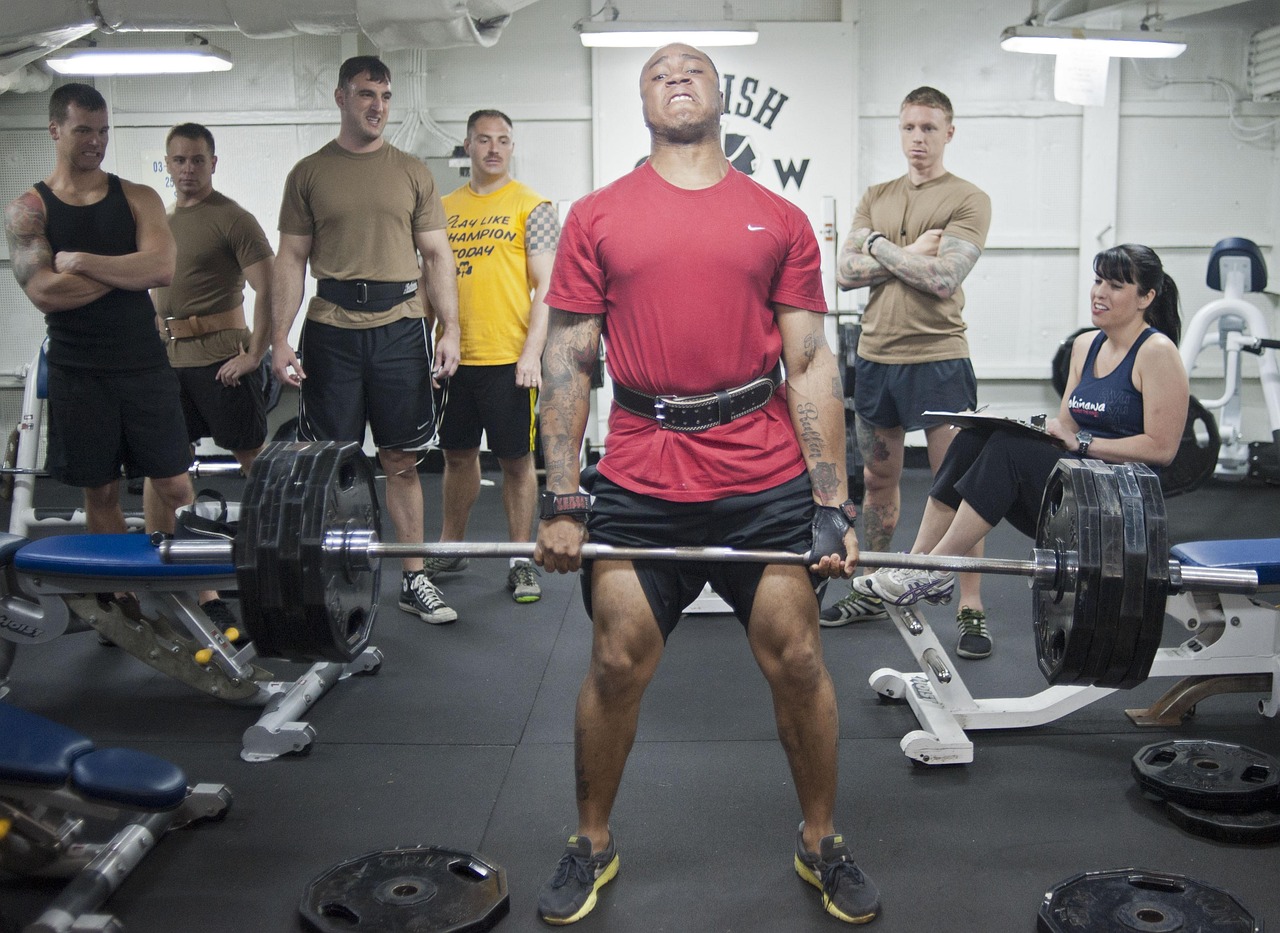

Periodization for Peaking: Preparing for Strength Competitions
Periodization is a strategic approach in strength training designed to enhance performance specifically for competitions. It involves various cycles of training that focus on volume, intensity, and rest. The primary goal is to peak at the right moment, ensuring maximum strength and readiness. Coaches and athletes typically divide the training into distinct phases, including macro, meso, and microcycles. By tailoring each phase’s focus, athletes can progressively develop strength while avoiding plateaus and injuries. The macrocycle encompasses the overall training year, breaking it into periods aimed at different goals. This includes general preparation for base strength, specific preparation for competition, and the peak phase for readiness. Throughout this process, tracking progress through assessments such as lifts, body weight, and recovery is paramount. By carefully monitoring these elements, adjustments can be made to optimize the program. This systematic approach reduces fatigue accumulation while promoting recovery leading up to the competition. Structure and organization are key aspects of effective periodization and making sure athletes remain focused on their upcoming goals.
During the preparation phase of the periodization process, athletes will focus on building foundational strength and improving overall conditioning. This phase generally lasts several weeks and may incorporate different strength exercises that cater to the athlete’s individual needs. Accessory movements, such as resistance band training, and bodyweight exercises can significantly enhance muscle coordination and support the primary lifts. Additionally, varying rep schemes and rest periods are crucial to stimulate muscle adaptation. Coaches can implement progressive overload, gradually increasing weights while ensuring proper form and technique. Mobility work should also be integrated to enhance flexibility and prevent injury. Athletes may additionally consider sports-specific drills that mimic competition conditions. Maintaining a balanced nutrition intake is essential during this phase. Consuming adequate protein, carbohydrates, and healthy fats creates an optimal environment for muscle growth and recovery. Hydration is equally important for performance during training sessions. Regular assessments and adjustments based on feedback help tailor the program to best meet the athlete’s progress and goals. Collaboration between the coach and athlete fosters a supportive environment that encourages focus on the ultimate competition objectives.
Strength Training Volumes and Intensities
The intensity of strength training plays a critical role in periodization, determining the weights and load used in each training cycle. Low intensity focuses on higher rep ranges targeting muscle endurance, while high intensity involves fewer reps with heavier weights aimed directly at strength gains. An effective program may employ a combination of both, ensuring the athlete develops a well-rounded skillset. The volume of training, which refers to the total amount of weight lifted in a session, is crucial in this context. Athletes may alternate between high-volume days and lower-volume, higher-intensity sessions to maximize strength adaptations. Monitoring fatigue levels becomes even more vital to ensure sufficient recovery and avoid burnout. Deload weeks can be incorporated to facilitate recovery while still maintaining movement patterns. The usage of different training modalities can also be essential, including free weights, machines, and functional training tools. Integrating these various elements allows athletes to prevent adaptation and continuously challenge their muscles. The psychological aspect of training cannot be overlooked; maintaining motivation and setting achievable targets ensures athletes stay committed throughout the process.
Typically, a well-structured periodization plan may include phases such as accumulation, intensification, and realization. During the accumulation phase, the focus is on building muscle mass and strengthening foundational patterns. Here, moderate intensity and higher volumes are favored, allowing athletes to condition themselves for future training demands. Next comes the intensification phase, where athletes shift focus towards strength and power development. This phase sees heavier weights with fewer reps, which can dramatically enhance the neural adaptations and overall force output. Finally, the realization phase aligns closely with competition dates. During this time, the goal is to peak strength, emphasizing maximal effort lifts with adequate recovery to prevent overtraining. Each phase should be tailored based on the individual athlete’s progression, capabilities, and specific competition cycles. Coaches should remain adaptable, as setbacks or injuries may require modifications. The importance of mental readiness cannot be ignored, since achieving peak performance requires both physical and psychological preparedness. Incorporating visualization techniques, relaxation strategies, and analysis of past performance can effectively prepare athletes for the stresses of competition day.
Nutrition and Recovery Strategies
Alongside training adjustments during periodization, the role of nutrition and recovery strategies cannot be understated. Fueling the body with the right nutrients is critical for ensuring both energy levels and muscle repair. A macronutrient breakdown, focused on balanced intake of proteins, carbs, and fats, assists athletes in achieving and maintaining optimal performance. Carbohydrates particularly fuel the energy demands during heavy training phases. Protein intake support muscle repair and growth, while healthy fats play important roles in hormone regulation. Athletes should consider timing their nutrient intake around workouts as a key strategy for promoting recovery. Post-workout nutrition—especially protein and carb consumption—has shown to accelerate recovery. Additionally, hydrating before, during, and after workouts helps maintain peak performance. Recovery strategies, such as adequate sleep and active recovery days, are essential components of a successful program. Recovery techniques like foam rolling, stretching, and massage can aid muscle recovery by increasing blood flow. The psychological aspect of recovery—allowing time for mental reset through enjoyable activities—can contribute to overall well-being and sustained motivation, leading to better competition performance.
When approaching competition, an athlete’s training must become increasingly specific to ensure readiness. This requires fine-tuning movement patterns to align with the demands of the competitive environment. Practicing specific lifts that closely replicate the competition experience is vital. Coaches may simulate competition settings, including weight selections and rest intervals, to acclimate athletes to the conditions they will face. In the final weeks leading up to a competition, monitoring volume and intensity becomes even more critical. Dropping training volume while maintaining intensity ensures that athletes remain fresh without losing the strength they have built. Employing tapering strategies helps optimize recovery while retaining peak performance capabilities. Besides the physical aspects, maintaining emotional stability during leading weeks can greatly influence performance. Establishing a support network of coaches, fellow athletes, and family members can provide encouragement and motivation. Open communication between the athlete and their coach helps address concerns or uncertainties leading up to the event. Mental rehearsal techniques can also assist athletes in visualizing successful lifts and competitions, thereby enhancing their confidence. Overall, a tailored and well-executed periodization plan primed for peaking is essential for success.
The Role of Psychological Preparedness
Preparation for strength competitions isn’t solely focused on physical conditioning; psychological readiness is equally crucial. An athlete’s mindset significantly influences their performance, especially under competition pressure. Effective strategies for fostering this mental preparation include visualization and positive self-talk. These techniques help athletes visualize successful lifts, instilling both confidence and calmness. Developing routines for competition day helps mitigate nerves and ensure focus. Pre-competition rituals can create a sense of normalcy, leading to improved performance. Coaches should involve athletes in goal-setting activities, as this promotes ownership of their training objectives while reinforcing purpose. Additionally, athletes can benefit from mindfulness techniques to cultivate mental resilience. This prevents distractions during training and competition, allowing athletes to maintain focus on their techniques. Reflecting on past performances and learning from experiences can enhance mental fortitude, as athletes identify areas of improvement and celebrate successes simultaneously. Mental blocks or anxiety can be addressed through open conversations, emphasizing support and understanding. Ultimately, fostering a strong mental foundation, alongside physical training, equips athletes with the tools to face competitive challenges head-on.
In conclusion, implementing a tailored periodization approach is essential for athletes preparing for strength competitions. This strategy focuses on varying training intensity and volume, facilitating optimal performance gains without leading to overtraining or injuries. Through the management of macro, meso, and microcycles, athletes prepare mentally and physically to peak on competition day. Attention to strength training details such as volume management, appropriate nutrition, and efficient recovery strategies align with the goal of success. Building psychological preparedness into the training program enhances mental resilience and provides necessary coping strategies. Finally, adopting a holistic approach covering both physical and mental aspects ensures athletes are ready to tackle the competition. Coaches play a pivotal role in guiding athletes throughout their preparation, adapting to their evolving needs and challenges. Successful athletes who understand the significance of both types of preparedness are at an advantage on competition day. Periodization is not merely a training framework; it is a philosophy that empowers athletes to reach their full potential when it matters most. As athletes embrace this methodology, they unlock doors to excellence in their competitive pursuits.