
Integrating Mindfulness into Static Balance Practices
Mindfulness can significantly enhance static balance exercises, promoting greater awareness and focus in movement. Static balance requires individuals to maintain their center of gravity over their base of support. This practice not only engages the body but also encourages a connection with the mind. It is essential to create an environment conducive to mindfulness. By setting aside distractions and dedicating time to practice balance, individuals can improve their overall body awareness. Mindful techniques involve controlling breath and visual focus, enhancing physical stability. Incorporating mindful breathing techniques can help ground practitioners, enabling them to sense both physical alignment and emotional state. Furthermore, establishing a routine can foster resilience in balancing practices, enhancing mental stamina as well. Balance exercises like standing on one leg or using a balance board should be progressively integrated, allowing the body time to adjust and core muscles to strengthen. Benefits also extend beyond physical stability as practitioners often report reductions in stress and anxiety, ultimately leading to improved mental clarity and emotional regulation that can translate into daily activities significantly. Ultimately, blending mindfulness with static balance skills results in holistic development for mind and body alike.
When practicing static balance, visualization can play a critical role in enhancing the effectiveness of exercises. Visualizing stability can activate certain mental pathways that manifest physically as balance improves. A beneficial strategy is to concentrate on a fixed point in the environment to create a stronger sense of grounding. This approach is especially effective during more challenging balance positions, such as the tree pose, which not only tests physical alignment but also mental acuity. Practitioners can incorporate visualization techniques by picturing a tree rooting deeply or the sensation of being firmly anchored. Allowing for purposeful thoughts about balance can facilitate smoother transitions in postural shifts. By employing this mindful approach, exercisers receive reinforcement of their balance capabilities over time. Moreover, visualizations can aid in developing the muscle memory essential for maintaining stability in dynamic environments. Meditation or gentle stretching may also bolster visualization practices, creating synergy between mental clarity and physical capacity. Through constant engagement in these methods, practitioners gradually develop a stronger connection between mind and body. This connection fosters resilience against challenges one might face during balance activities to come.
The Role of Breath in Balance Exercises
Breathing plays a pivotal role in enhancing static balance practices by cultivating mindfulness. Focusing on breath provides an anchor, allowing participants to center their thoughts and energies effectively. When engaged in static balancing, controlling breath is essential for maintaining focus and trunk stability. Inhale deeply and exhale slowly to facilitate relaxation within the body. Slower breathing patterns can activate the parasympathetic nervous system, helping to reduce distractions and promoting a calmer state of being. Practitioners can incorporate exercises by intentionally matching breath with movement, reinforcing the connection between body awareness and mental focus. This synchronization can further amplify stability in various positions. During static balance poses, practitioners should aim for smooth, rhythmic breaths, which not only provide oxygen to working muscles but also enhance endurance over longer practice durations. Additionally, utilizing breath as a tool will remind practitioners and enhance persistence throughout sessions. As a result, they can approach each challenge with newfound clarity and resolve. Breath also encourages participants to tap into deeper layers of awareness, supporting emotional regulation while cultivating strength in balance performance.
Engaging in mindfulness during balance practices fosters resilience and helps to mitigate stress responses. By centering oneself before an exercise, practitioners can progress into a calmer and more present mental state. Stress often disrupts focus, leading to shaky performance in static balance exercises. Therefore, initiating practice with mindfulness techniques can elevate confidence and calm any anxieties. Many individuals find that incorporating a brief meditation or grounding exercise enhances their overall experience. Grounding exercises create a profound connection between the mind, body, and environment. Simple practices such as placing hands on the earth can enhance the feeling of stability. Practicing gratitude and self-affirmation can also further enhance performance. Through mindful observation, individuals can identify habitual responses when challenged during balance exercises, fostering self-awareness. This awareness paves the way for conscious adjustments during practice, guiding through uncertainties. Overall, a commitment to mindfulness transforms balance training into a meaningful journey of personal growth and mastery over time. Through patience and sustained effort, practitioners cultivate confidence that translates to their everyday lives, allowing static balance to become an integral aspect of overall health.
Creating a Mindful Environment
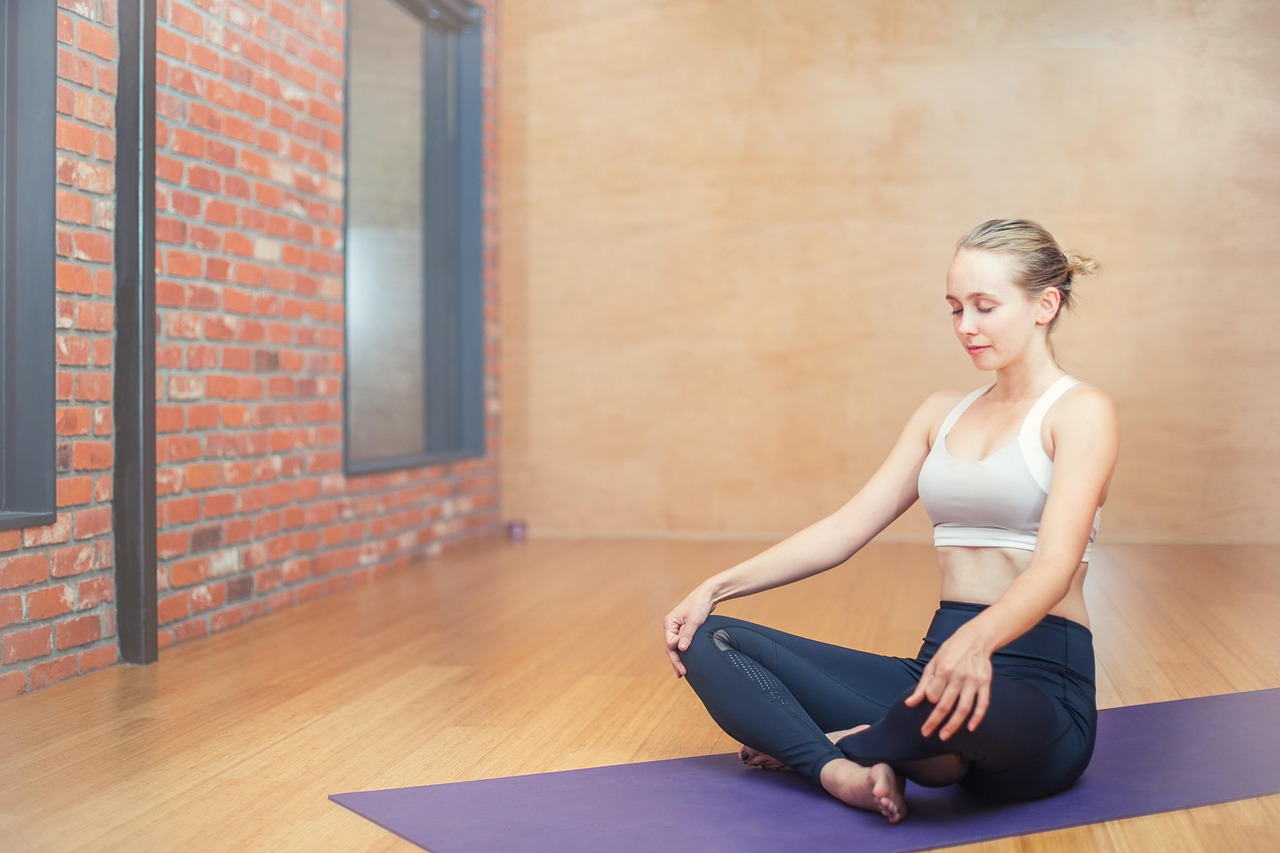
Establishing a mindful environment is crucial for successful static balance practices. A dedicated space free from distractions allows individuals to focus on each exercise without external interruptions. Creating this space may involve organizing a specific area in one’s home or outdoors that encourages peace and tranquility. Consider using calming colors, soft lighting, and perhaps playing gentle music or nature sounds. Environment significantly influences our mental state, facilitating deeper engagement in mindfulness practices. Practitioners should also personalize their space with items that evoke positive emotions or memories, such as plants or meaningful objects. A well-defined space can help initiate the brain’s recognition of the time for practice, enhancing routine. Additionally, incorporating gentle scents can also benefit the overall sensory experience, promoting relaxation and revitalization. Aromas such as lavender or eucalyptus can stimulate a sense of calm while engaging in balance exercises. Utilizing props, like yoga blocks, may also foster accessibility during practice, encouraging exploration of personal limits. These elements combined create a holistic environment conducive to achieving a greater sense of stability on both physical and mental levels throughout the practice.
A vital aspect of combining mindfulness with static exercises is the attention given to alignment and posture. Good postural awareness is essential for effective balance practices, as it ensures the body is properly aligned. Conditions such as uneven weight distribution can lead to rapid loss of balance. Practitioners should actively maintain awareness of their bodies as they transition into various positions. To improve this awareness, individuals can engage in gentle self-assessments, making necessary adjustments while remaining conscious of the sensations experienced in the body. Each position should be approached with a sense of curiosity about one’s limits and capabilities. Engaging the body’s core muscles can significantly enhance stability, creating a solid foundation. Mindfully operating within limitations not only strengthens internal resilience but fosters confidence in practice. Regular reflection on progress and setbacks, paired with mindfulness, cultivates patience and motivates individuals to pursue balance challenges. Consequently, static balance becomes an opportunity for self-discovery rather than solely a physical exercise. Ultimately, this enhances the experience, giving meaning to the practice and emphasizing the connection between body and mind.
Closing Thoughts on Mindful Balance
Incorporating mindfulness into static balance exercises yields numerous benefits for practitioners. These benefits extend far beyond improved stability as practitioners notice changes in mental clarity and emotional balance. Mindful engagement, combined with various techniques, amplifies the overall experience and transcends physical challenges. Participants are encouraged to embrace a playful attitude, viewing balance practices as an exploration rather than a task. This mindset fosters resilience to challenges and a deeper understanding of one’s body. Adjustments, personal achievements, and reflections on emotional responses contribute to a profound journey of self-awareness. To fully realize these benefits, consistency is key. Practicing daily allows individuals to witness gradual improvement in both mind and body synergy. Remember that balance is not solely about physical capabilities; it is a holistic experience encompassing the mind, heart, and body. By focusing on breath, alignment, visualization, and creating an intentional environment, practitioners cultivate lifelong skills that can be applied in daily life. Ultimately, the integration of mindfulness and static balance practices leads to transformative experiences that enrich overall well-being through mindfulness.
As balance practices become increasingly popular, mindfulness promotes sustainable growth through personal connection to one’s craft. Through adherence to mindful principles, individuals nurture patience with their own processes. This awareness allows for appreciation of small victories; each successful balance stance becomes a celebration. Also, this holistic approach fosters an understanding that challenges are an integral part of the growth journey. Therefore, participants should embrace imperfections while maintaining focus on the joy of the practice itself. Balance exercises grounded in mindfulness develop resilience against obstacles while contributing to emotional stability, creating a harmonious blend of mind and body awareness. As practitioners journey further into this practice, they should explore incorporating additional modalities such as yoga or tai chi. These complementary practices deepen awareness and enhance the benefits of static balance exercises effectively. In closing, practitioners are encouraged to take a step back, reflect on their overall experiences while integrating mindfulness. Through this process of reflection, they can gain valuable insights into their progression over time. Mindfulness serves not only as a tool for maintaining balance but enriches all aspects of life during and beyond these supportive practices.