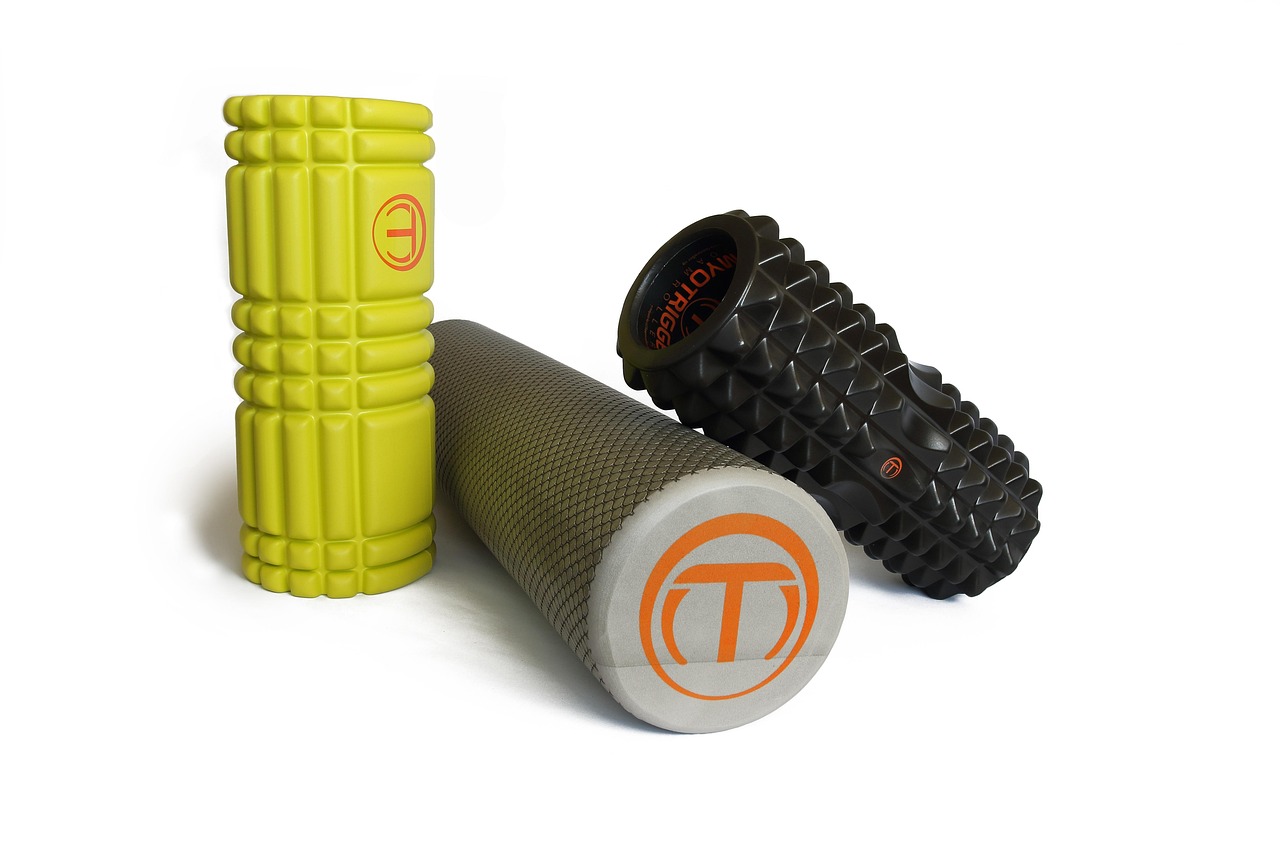

Incorporating Foam Rolling for Enhanced Mobility in Group Workouts
In the world of group fitness classes, enhancing mobility is crucial for overall performance and injury prevention. Foam rolling is a self-myofascial release technique that can significantly improve flexibility and range of motion. By incorporating foam rolling into your group workouts, participants can reap numerous benefits including reduced muscle soreness and improved circulation. This practice can also promote faster recovery after intense exercise. When utilized properly, foam rolling can enhance workout performance, allowing individuals to engage in more challenging activities with ease. Foam rolling targets specific muscle groups and helps release tension, which is essential for optimal performance. The technique is particularly beneficial in group contexts where individuals may have varying levels of tightness and stress in their muscles. It fosters a supportive atmosphere where members encourage each other to adopt better movement patterns. With clear guidance, instructors can lead a session that integrates effective foam roll strategies, ensuring everyone experiences improvements in mobility. Such classes cultivate a deeper understanding of one’s body, leading to a more conscientious approach to fitness. Educating participants on foam rolling also promotes a wider appreciation for self-care practices.
Foam Rolling Benefits and Techniques
Foam rolling presents a multitude of benefits that aid in enhancing mobility during group workouts. One key advantage is its ability to alleviate muscle tension. When participants regularly utilize foam rollers before and after workouts, they can experience decreased stiffness in their muscles. Another significant benefit is improved blood flow and circulation, which facilitates faster recovery and better performance during exercise sessions. Additionally, foam rolling can enhance flexibility, allowing for greater range of motion in various movements. This is particularly important in dynamic group classes where participants perform multi-joint exercises. Foam rolling can also increase body awareness, as it encourages individuals to focus on specific muscle groups and learn about their physical boundaries. To implement foam rolling effectively, instructors can demonstrate techniques for various muscle groups including calves, quads, hamstrings, and back. Participants can be guided through proper methods, emphasizing the importance of breathing and rhythm. Safety is paramount, so it’s essential to encourage participants to listen to their bodies and avoid rolling on sensitive areas. Overall, integrating foam rolling in group fitness classes promotes better outcomes and a more enjoyable workout experience.
To maximize the benefits of foam rolling, it is essential for group fitness instructors to create structured foam rolling sessions. This can be achieved by developing a comprehensive routine that incorporates various techniques targeting different muscle groups. A well-planned session should begin with a brief introduction to foam rolling, highlighting its benefits for mobility and recovery. Participants can then be guided through a dynamic warm-up to prepare their bodies for foam rolling exercises. Following this warm-up, instructors can lead a foam rolling segment that focuses on major muscle groups including the thighs, calves, and back. Trainers can provide helpful cues regarding pressure intensity and duration on each muscle group, ensuring participants use the foam roller effectively. A typical foam rolling session may last around 10-15 minutes, effective enough to elicit noticeable improvements in mobility. To further enhance engagement, encouraging participants to share their experiences afterward can be beneficial. This can foster a supportive community atmosphere while reinforcing the importance of incorporating this technique into their personal routines. Hence, structured foam rolling in group classes not only enhances mobility but also builds camaraderie among members.
Integrating Foam Rolling with Mobility Exercises
Combining foam rolling with mobility exercises is an effective way to maximize the benefits of both practices. Mobility exercises focus on improving joint range of motion and stability, while foam rolling aids in releasing muscle tension. Together, they create a synergistic effect that enhances overall performance in group fitness classes. One way to integrate the two is to incorporate foam rolling between sets of mobility drills. For instance, participants could roll out their hamstrings after completing dynamic stretches before squats. This structure allows for targeted muscle recovery, making mobility exercises more effective. Likewise, performing foam rolling before high-intensity intervals can invigorate the muscles, preparing them for strenuous activity. Instructors can showcase specific sequences, showcasing how foam rolling targets muscular tightness, with mobility drills serving as an active recovery practice. Demonstrations can involve sequences such as rolling and following with dynamic lunges or arm circles. Utilizing such techniques ensures that class participants derive maximum benefits from both foam rolling and mobility work. This integrated approach enhances overall group workout effectiveness, leading to improved strength and flexibility outcomes for participants.
A successful foam rolling practice during group workouts necessitates proper education and awareness among participants. Leaders in group fitness should actively emphasize the significance of self-massage techniques to enhance mobility. Encouraging participants to listen to their bodies is essential for safely navigating their foam rolling sessions. Explaining the principles behind foam rolling, such as muscle recovery and injury prevention, can empower participants to adopt the practice confidently. Instructors might consider hosting workshops or informational sessions to deepen the understanding of foam rolling’s mechanics and benefits. A collaborative learning environment fosters open discussions around common questions and soreness experiences that arise post-exercise. Moreover, providing literature on best practices for foam rolling, including how to produce effective pressure on various muscle groups, can enhance the learning process. As members become more knowledgeable about foam rolling techniques, they are more inclined to practice outside of group sessions. Creating challenges or initiatives around foam rolling can promote enthusiasm and accountability among class members. Ultimately, fostering a culture of education around foam rolling holds the potential to ensure better outcomes for group fitness class participants.
Safety Considerations in Foam Rolling
Implementing foam rolling techniques in group workouts also requires mindful attention to safety considerations. It is essential for instructors to communicate clear guidelines to prevent injury during sessions. Among other critical points, participants should be reminded to avoid rolling on bony areas or joints, which can cause discomfort. Furthermore, rolling quickly or with excessive pressure can lead to bruising or increased soreness instead of alleviating it. To ensure a safe experience, instructors should emphasize the importance of starting slowly and gradually introducing pressure to determine comfort levels. Demonstrating safe positions for foam rolling is crucial, especially with sensitive areas such as the lower back, neck, and spine. Instructors should also encourage participants to maintain proper body positioning to maximize the effectiveness of foam rolling techniques. Additionally, individuals with pre-existing injuries or conditions might need customized foam rolling approaches and should consult with fitness professionals. When foam rolling is practiced effectively and safely, it empowers group members to gain better mobility without unnecessary risk. Prioritizing safety in foam rolling not only enhances individual experiences, but it also contributes to a supportive group fitness environment.
In conclusion, incorporating foam rolling into group fitness classes is a powerful strategy to enhance mobility and support overall well-being. The benefits of this practice extend from individual flexibility improvements to fostering a harmonious fitness community. Participants gain valuable insights about their bodies while enjoying the camaraderie of engaging in shared practices. Instructors play a pivotal role in guiding their participants through effective foam rolling sessions, ensuring they derive maximum benefits. A diverse array of techniques combined with mobility exercises fosters well-rounded progress in group workouts. Additionally, emphasizing safety and education establishes a foundation that inspires participants to be proactive regarding their self-care practices. Educating individuals about the connection between foam rolling and mobility cultivation empowers them to embrace a well-rounded fitness routine. Celebrating small victories connected to improved mobility can strengthen class participants’ commitment to their fitness journey. As both instructors and participants further explore foam rolling techniques, they can foster an environment conducive to growth and progress. Ultimately, foam rolling becomes a vital tool in promoting enhanced mobility and creating a dynamic and supportive atmosphere in group fitness classes.