
How to Fuel Efficiently for Multi-Day Cycling Tours
Undertaking multi-day cycling tours requires careful planning, especially regarding nutrition. Cycling for several consecutive days necessitates a well-balanced diet that appropriately supports energy needs, muscle recovery, and hydration. One key aspect of your nutrition plan should involve focusing on carbohydrates, as these provide the primary energy source for prolonged cycling efforts. Consuming high-glycemic index carbohydrates immediately after rides can maximize glycogen replenishment. Examples include energy bars, bananas, and sports drinks. Moreover, it is vital to incorporate protein to aid muscle repair, particularly after challenging rides. Sources such as chicken, fish, legumes, and dairy can effectively support muscle recovery. Beyond these, it helps to include fats in moderation, which provide necessary energy for longer rides. Thus, understanding how to structure your meals and snacks efficiently is crucial for maintaining energy levels. Adequate hydration complements this, ensuring optimal performance and recovery. Electrolyte drinks and water should be prioritised, particularly in warmer weather conditions. Ultimately, pre-planning your meals for the journey will keep your energy levels optimal. Tracking your nutritional intake can help ensure a balanced and efficient fueling strategy as you pedal through the landscape.
Another essential aspect of sports nutrition for cycling involves timing your meals. The pre-ride meal should ideally contain carbohydrates paired with protein to provide sustained energy throughout your cycling session. Consuming a meal like oatmeal with fruits can be effective due to its low glycemic index. Aim to eat at least two to three hours before hitting the road to allow for digestion. Additionally, during multi-day tours, regular snacks are crucial. Carry energy-dense foods like gels, dried fruits, or nut bars to replenish your energy reserves during those long cycles. Snacks should be easily accessible, so you can refuel without stopping for extended periods. Moreover, immediately after riding, consuming a recovery drink or meal within thirty minutes can significantly enhance muscle repair and glycogen replenishment. This is particularly important when cycling multiple days in a row, as your body requires quick fuel to recover. Furthermore, your dinner should be well-balanced, featuring carbohydrates, protein, and quality fats to fuel recovery overnight. Keeping these aspects in mind will help enhance your overall cycling performance during long tours.
Hydration Strategies for Cyclists
Hydration remains another critical element in sports nutrition for cycling. During multi-day tours, cyclists often underestimate their fluid requirements, leading to performance dips. The general recommendation is to drink at least half a liter of water per hour of riding, adjusting based on temperature and humidity. When embarking on lengthy rides, consider integrating electrolyte-rich drinks into your hydration plan. These drinks can help replace lost minerals and prevent cramping, particularly during hot weather. It’s advisable to carry a water bottle or hydration pack to ensure easy access to fluids while cycling. Planning your routes with knowledge of available water sources makes refueling simpler. Cyclists should also monitor their hydration levels by examining urine color—light yellow generally indicates adequate hydration. Set reminders or establish a routine to hydrate frequently, preventing the fatigue that can result from dehydration. Additionally, incorporating hydrating foods, like fruits and cucumbers, can enhance overall fluid intake. Effective hydration not only supports performance but also plays a role in ensuring recovery and minimizing muscle fatigue during such extended periods of cycling.
Fueling for recovery after rides is crucial in a multi-day cycling tour. Recovery meals should ideally be consumed within thirty minutes to two hours post-ride. A great option might include a smoothie with protein powder, fruit, and yogurt, which provides carbohydrates and protein necessary for muscle recovery. If possible, include whole foods in your post-ride meals, as these tend to offer better nutrient profiles. For example, grilled chicken with brown rice and vegetables is an excellent meal that supports recovery, supplies carbohydrates, and ensures protein replenishment. Furthermore, consider planning your recovery meals ahead to avoid racing against the clock. It also helps to pair your meals with sufficient hydration, ensuring that you restore not just your energy but also electrolytes lost during the ride. Including a small dessert can elevate mood and satisfaction following strenuous rides. Understanding your body’s nutritional needs aids in planning satisfying meals that cater to post-ride fatigue and accelerates recovery. Overall, planning your recovery meals thoughtfully will enhance your cycling experience on multi-day tours.
Snacks That Boost Performance
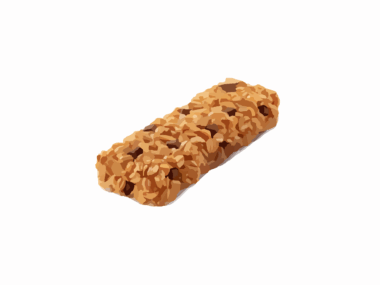
Snacking during the ride plays a vital role in maintaining energy levels throughout multi-day cycling tours. As energy levels dip, having nutritious snacks readily available is instrumental in recharging your stamina. Energy bars specifically designed for athletes are a popular choice, as they provide an excellent balance of carbohydrates and proteins. They are also portable and easy to consume while riding. Additionally, consider options like dried fruits, nuts, or trail mix which are energy-dense, allowing quick fueling on the go. Peanut butter and jelly sandwiches can also be a homemade option, providing both carbohydrates and fats for sustained energy. Aim to consume small snacks every thirty to sixty minutes, preventing energy crashes. Notably, gels or chews offer an easy and quick source of carbohydrates that can be beneficial during high-intensity segments of your ride. Experimenting with different snacks during training rides can help identify what works best for your body. Store energy snacks conveniently within your reach to make refueling straightforward. With a well-planned snack strategy, you can significantly enhance performance throughout the cycling tour.
It’s essential to individualize your nutrition strategy, as each cyclist has unique needs. Factors such as body weight, workout intensity, and personal preferences all contribute to what and how much you should ideally consume. Keeping a detailed food journal during your training rides can help in understanding your body’s response to different foods. Over time, note how various meals affect your performance and recovery, optimizing your intake for multi-day tours. Consulting with a dietitian who specializes in sports nutrition can provide personalized insights tailored to your cycling goals. They can help devise meal plans that include a variety of food groups crucial for sustaining energy levels. Always consider seasonal foods, as those are often fresher and more nutritious. Furthermore, testing your nutrition plan on long training rides, mimicking the conditions of your cycling tour, will help ensure the strategies you choose are effective. Optimal nutrition enhances performance while reducing the risk of gastrointestinal distress during prolonged rides. Ultimately, the right nutrition strategy can profoundly impact your cycling adventure while keeping you energized and motivated.
Conclusion and Final Thoughts
In conclusion, fueling efficiently for multi-day cycling tours encompasses a well-rounded approach to nutrition, hydration, and recovery. Carbohydrates, proteins, and healthy fats each play a pivotal role in a cyclist’s diet, enabling enhanced performance and quicker recovery. Proper planning ensures that you have an adequate supply of energy during the ride, while hydration remains essential for maintaining stamina. Establishing a routine for meals and snacks helps cater to your body’s needs. Moreover, individualizing your nutrition strategy paves the way for improved performance and fewer energy crashes. Remember to prioritize high-quality foods and ensure they align with your personal preferences for better adherence. Regularly test your nutrition preferences on training rides—this is crucial for identifying what works best for you. Lastly, adapt hydration strategies according to your environments, such as temperature and humidity levels. All cyclists should remain mindful of these components, which collectively enhance the overall cycling experience. Ultimately, understanding and implementing efficient fueling will transform your cycling tours into enjoyable adventures filled with energy, strength, and endurance.
Engaging in multi-day cycling tours requires a thoughtful approach to sports nutrition. Emphasizing the importance of a well-balanced diet featuring carbohydrates, proteins, and fats ensures cyclists meet energy demands efficiently. Proper meal timing and hydration strategies significantly optimize performance while reducing the likelihood of fatigue. Through careful planning, cyclists can set themselves up for success on long rides. Monitoring individual nutritional needs and experimenting with food options during training rides helps refine your strategy. Consulting with a dietitian provides personalized strategies and support tailored to your unique cycling goals. By following these suggestions, you can prepare to tackle multi-day tours with confidence and enthusiasm. Ultimately, the right mix of nutrition will keep you fueled, energized, and riding strong.