
How to Avoid Carcinogens While Grilling Healthy Foods
Grilling can be an enjoyable way to prepare meals, offering flavors that are simply unmatched. However, cooking over an open flame can pose certain health risks, primarily due to the formation of carcinogens. The best practices focus on preparation and cooking technique to mitigate potential harm. One effective method is to pre-cook your meats. This means partially cooking food in the oven or microwave, which reduces the time meats spend directly over the grill’s flames. This helps limit exposure to high heat, decreasing the chances of harmful substances forming. Additionally, marinating your meats beforehand can be beneficial. Marinades made with robust acids like lemon juice or vinegar can create a protective barrier and minimize the formation of harmful chemicals. Utilizing herbs and spices not only adds flavor but reduces carcinogen formation as well. Finally, ensuring a clean grill surface is essential. Accumulated grease and char on the grates can produce smoke that infuses foods with unwanted chemicals. Regular maintenance and utilizing a proper grilling temperature can greatly improve health aspects without sacrificing taste.
Choosing the right type of grill is equally important to minimize health risks associated with grilling. When it comes to selecting a grill, natural gas and electric grills are excellent options compared to charcoal grills. Charcoal can produce smoke that contains these undesirable compounds, while gas and electric grills reduce such emissions significantly. For those who prefer that distinct smoky flavor, consider using wood chips in a gas grill, which can provide the taste without much risk. Furthermore, using non-stick grill mats can help prevent food from sticking, reducing the likelihood of charring. Monitoring cooking temperatures is critical; aim for 300°F to 400°F. Cooking at lower temperatures reduces the formation of carcinogenic compounds. Avoid charring or burning foods, which is essential—not only for health but also to retain the flavors and nutritional value of grilled items. Choosing leaner cuts of meat can also help limit the formation of harmful compounds. Focusing on fish, poultry, and plant-based options such as vegetables can add variety without increasing health risks associated with grilling. Ultimately, thoughtful decisions in choice, method, and maintenance contribute to healthier grilling practices.
Understanding Carcinogens and Their Impact
Carcinogens are substances that can lead to cancer, and unfortunately, grilling meat can produce a variety of these harmful chemicals. Two primary methods generate carcinogens on the grill: the formation of polycyclic aromatic hydrocarbons (PAHs) and heterocyclic amines (HCAs). PAHs are formed when fat from the meat drips onto hot coals, producing smoke that envelops the meat, while HCAs develop when amino acids and creatine in meat are exposed to high heat. Understanding these processes can help you take preventive measures. In particular, the type of meat chosen can greatly influence the presence of these compounds. For instance, red meats tend to produce more HCAs than poultry. Therefore, opting for chicken, turkey, or fish not only lowers risks but also enhances nutritional variety. Another strategy involves the choice of cooking methods. Cooking with indirect heat rather than direct exposure lowers the temperature and reduces carcinogen formation. By recognizing these details, individuals can enjoy healthy summer outings without compromising their well-being while grilling their favorite foods. Simple adjustments to grilling techniques showcase the importance of knowledge in culinary practices.
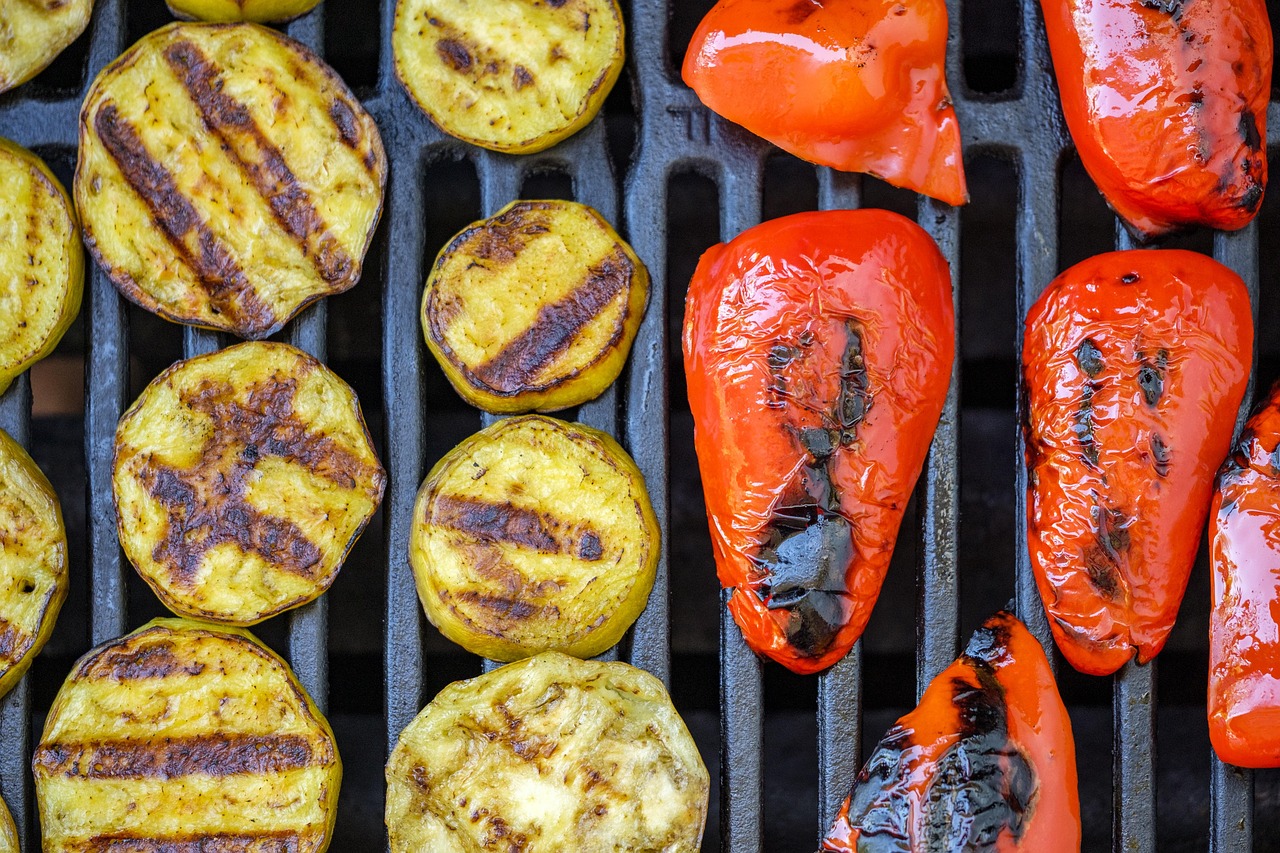
Incorporating vegetables onto the grill is a delicious way to create healthy meals while minimizing risk factors. Many vegetables, when grilled, can enhance nutrients and provide exceptional flavors. As they grill, they actually caramelize, promoting a sweet taste and creating a delightful texture. Bell peppers, zucchini, and asparagus are popular choices that adapt well to grilling and provide beautiful colors. Using foil packets can enhance their appeal; wrapping vegetables with seasoning in foil sealed increases moisture while capturing flavors. Utilizing skewers with a mix of meat and vegetables elevates meals while allowing for lower-fat options as well. This not only offers variety but also enriches the nutritional value of your grill time. Pairing vegetables with healthy marinades further adds flavor while acting as a protective barrier against chemical exposure. The benefits extend beyond nutrition; beautifully grilled vegetables can impress guests and create vibrant dishes. Additionally, adopting plant-based grilling fosters a favorable diet, achievable through easy adaptations. By making vegetables a star on your grill, you not only enhance flavor profiles but also contribute to a healthier dining experience during social gatherings.
Safety Measures for Grilling
Taking safety measures while grilling contributes greatly to reducing health risks. Firstly, maintaining a clean grill is crucial; always ensure that leftover burnt remains and grease build-up are removed. Regular cleaning leads to improved safety and enhances the overall taste of grilled items. When grilling meats, avoid the temptation to press down on them. This forces juices to escape and can contribute to flare-ups, causing acrid smoke and potentially harmful residues to form. Also, avoid cooking meat directly over extremely high flames for prolonged periods; monitoring flare-ups and managing temperature fluctuations are essential during the entire grilling process. Color guidelines can assist in identifying the doneness of meats, where using a meat thermometer ensures that the internal temperature reaches safety levels. Relying on appearance alone can be deceptive. Furthermore, for best health practices, serve a variety of sides, emphasizing whole grains, salads, or fruits. This balance within meals allows satisfaction while satisfying nutritional needs. Considering these safety measures ensures an enjoyable, healthy experience for everyone around the grill, creating lasting memories while prioritizing good health.
Pairing side dishes with grilled foods contributes to an overall healthy dining experience. Whole grains like quinoa or brown rice are nutritious accompaniments that elevate meals with fiber while providing essential nutrients. Fresh salads loaded with colorful vegetables are excellent options that bring added crunch and flavor without extra calories. Serving whole meals rather than individual items also promotes balance. For instance, grilled salmon served alongside a wild rice pilaf and a side of grilled asparagus creates a wholesome dining experience. Additionally, incorporating healthy dipping sauces made from yogurt, herbs, and spices can provide exciting flavor without excess calories or unhealthy additives. Preparing homemade dressings allows control over ingredients, helping avoid processed options filled with preservatives. Enhancing the dining experience with wholesome choices can promote satisfaction while enjoying outdoor cooking sessions. Including fruits like grilled pineapple or peaches for dessert offers seasonal sweetness and adds nutritional benefits too. Overall, emphasizing nutritious pairings with grilled foods supports a well-rounded meal, promoting not just healthy cooking habits but lifestyle choices that sustain overall well-being in a social setting.
Conclusion: Grilling Smaart and Healthy
Grilling can be a fantastic way to prepare healthy dishes without compromising flavor, provided that certain precautions are observed. Engaging in thoughtful practices while grilling will reduce the likelihood of exposing yourself and your loved ones to harmful carcinogens. This includes choosing healthy cuts of meat, pre-cooking, effective marinating, and the selection of appropriate grilling methods while maintaining a clean cooking space. Furthermore, integrating more vegetables or plant-based options enriches nutritional value significantly. Understanding the impact of carcinogens and shifting focus towards lighter, fresher, and leaner foods encourages better health outcomes. Grilling should be a joyous activity, and with the right knowledge and techniques, anyone can enjoy grilling with a sense of well-being. Ultimately, by adopting these smart grilling habits, you set a foundation not only for enjoyable meals but establish healthy traditions for gatherings. Encouraging everyone to consider their grilling techniques promotes awareness and healthier lifestyle choices in food preparation. As summer approaches, let these strategies enhance your outdoor culinary experiences and lead you towards more vibrant, healthier dishes grilled to perfection.
Now that you are equipped with practical tips to make your grilling healthier, the next gathering can be a feast that prioritizes taste and health. Teaching family and friends about these easy adjustments fosters a shared culture that values health and flavor. As you experiment with these new ideas, don’t hesitate to include spices and herbs that inspire creativity in your grilling adventures. Seeking out seasonal ingredients also allows for exciting variety, contributing both nutrition and flavors every time you fire up the grill. This will not only demonstrate culinary skill but reflect a commitment to healthier eating practices. Keep in mind that every meal is an opportunity to experiment, ensuring you maintain a balance that many can thrive on. Explore different forms of grilling—whether direct, indirect, or even smoking options provide unique flavors and experiences. Invite feedback from diners, creating invaluable interactions where taste and health coexist. Additionally, consider making meal preparations a social activity, bringing together loved ones while encouraging participation in cooking. With these enjoyable initiatives, grilling can evolve into a fun, productive bonding experience, proving that both health and delectable meals are achievable goals together.