Energy-Efficient Cooling Techniques for Post-Workout Recovery
Post-workout recovery is essential for fitness enthusiasts aiming to minimize fatigue and muscle soreness. Utilizing energy-efficient cooling techniques not only aids recovery but also reduces your environmental footprint. One method is to use ceiling fans, which circulate air to maintain a cool atmosphere. They consume less energy when compared to air conditioning, which can quickly deplete energy resources. Another valuable technique is the placement of icy towels on pulse points like the neck and wrists. The immediate cooling effect can lower your body temperature effectively. Staying hydrated with cold beverages can soothe your core temperature as well, so consider using a reusable water bottle that keeps drinks chilled for longer periods. If possible, workout during cooler parts of the day to reduce the need for cooling altogether. Utilize natural breeze through open windows or strategically placed fans to enhance airflow efficiently. Furthermore, investing in an energy-efficient air conditioning unit can significantly reduce energy consumption. Well-insulated rooms also help maintain desired temperatures, cutting down cooling energy costs. Explore these techniques for optimal recovery while ensuring environmental responsibility.
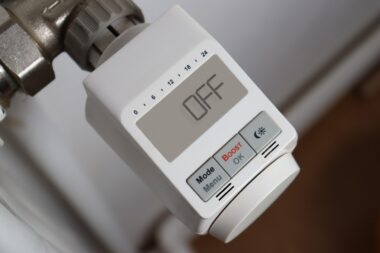
To further enhance your environment-friendly cooling post-workout techniques, mindful clothing choices play a crucial role. Opting for breathable, moisture-wicking fabrics can be beneficial during exercise and recovery phases, reducing the need for cooling while you unwind. Natural fabrics such as cotton or specialized sports materials enhance airflow, keeping you fresher without extra cooling efforts. Moreover, consider scheduling your workout routine strategically—early mornings or late evenings are cooler times regarding temperature variations. Pair these clothing choices with well-planned hydration strategies, as fluid intake aids in temperature regulation. Drinking plenty of cool fluids during and after your workout is critical. Use insulated tumblers or eco-friendly containers that maintain ideal temperatures for extended durations. Lighting also plays a vital role in room temperature; prefer natural light or energy-efficient LED bulbs that produce less heat. Installing blackout curtains can reduce heat accumulation throughout the day, enhancing your cooling efforts. An effective recovery strategy incorporates layering—using a light blanket or an energy-efficient cooling pad can help. Additionally, consider investing in a programmable thermostat that adjusts automatically to your cooling needs based on your unique workout schedule.
Innovative Cooling Appliances
Incorporating innovative cooling appliances into your post-workout recovery routine can yield impressive results in energy efficiency. Air purifiers with cooling functions can enhance your environment by filtering air and maintaining a comfortable temperature—an ideal combination for recovery. These energy-efficient models can operate continuously without spiking electricity bills. Consider a cooling fan with humidifying features, which can keep your workout space comfortable without excessive energy use. The mist provides a refreshing effect, reducing the heat in the room. Alternatively, portable evaporative coolers are low-energy options that effectively cool your surroundings by utilizing water evaporation principles. These devices can operate without refrigerants, making them eco-friendly while ensuring optimal recovery conditions. When selecting any appliance, prioritize those with Energy Star ratings, signifying rigorous energy efficiency standards. Moreover, some smart home technologies allow devices to operate on a schedule that matches your recovery routine perfectly. Finally, utilizing multi-functional appliances that serve cooling and purifying purposes can maximize space and reduce energy consumption significantly. Take advantage of modern advancements to create a refreshing and restorative environment.
Creating an optimal ambiance is another key to facilitating efficient cooling during post-workout recovery sessions. A thoughtfully arranged space can significantly influence your comfort. First, ensure that your recovery area is clutter-free to enable proper airflow. Long curtains or furniture blocking pathways can contribute to heat retention, making it vital to rearrange your space. A well-ventilated area not only feels cooler but also promotes effective recovery. Moreover, consider integrating house plants that can naturally improve air quality. Plants like Aloe Vera and Snake Plants not only purify the air but also create a serene environment conducive to relaxation. Strategically placing them in your workout or recovery space supports both functionality and productivity. Additionally, using scented candles or essential oil diffusers can offer soothing aromas while enhancing the cooling atmosphere. Select invigorating scents like peppermint or lemon that can refresh your mind and body post-exercise. Surrounding yourself with a calming environment optimizes mental recovery besides physical benefits. Keep adjusting factors influencing your area until you find the best balance of comfort and cooling, ensuring it supports your recovery needs effectively.
Future Considerations
As the conversation about energy efficiency continues to evolve, consider future trends that impact cooling techniques for post-workout recovery. Smart home integration is already revolutionizing how we manage energy consumption in our daily routines. By implementing smart thermostats and energy-efficient appliances, you can automate cooling systems based on your needs. These technologies minimize wasted energy by adjusting settings according to occupancy. Another emerging trend is the utilization of renewable energy sources such as solar power. Exploring solar-powered cooling systems can significantly reduce your reliance on conventional electricity while providing excellent energy efficiency during post-workout recovery. Additionally, researchers are investigating innovative cooling materials and systems that promise even greater energy savings. Active materials that adapt to temperature changes can assist in maintaining cool environments without running fans constantly. Moreover, awareness around passive cooling techniques is gaining traction, prompting many to consider architectural features like overhangs and green roofs for construction spaces. Embracing these future approaches and potential technologies can lead to more sustainable post-workout recovery practices, benefiting both users and the environment in the long run.
Lastly, integrating community awareness campaigns focused on energy-efficient cooling practices can foster a collective approach towards sustainable recovery methods. Collaborative workshops can be organized to share tips on energy-saving exercise and recovery techniques. Building communities that prioritize energy efficiency not only encourages individuals but also enhances social responsibility. Furthermore, social media can effectively disseminate valuable content showcasing energy-efficient strategies. Sharing personal stories about successful methods and their positive outcomes can inspire wider adoption of sustainable practices. Collaboratively tackling energy consumption issues helps amplify awareness about dependency on energy resources. These shared efforts can progressively shift individual habits towards more responsible behaviors both in fitness and personal lifestyles. It’s essential to not only adopt these tips personally but also to encourage others in your network to recognize the importance of energy efficiency. Ecological consciousness contributes significantly to better community health and resilience. In doing so, you’ll create a sustainable environment for future generations while embracing better recovery practices post-exercise. Choose to act now; the benefits will be massive for you and the planet.
In conclusion, embracing energy-efficient cooling techniques for post-workout recovery provides multiple advantages for both individuals and the environment. Staying aware of one’s surroundings and implementing eco-friendly strategies during cooling processes fosters sustainability and effective recovery. From mindful fabric choices to innovative appliances, every deliberate decision counts towards reducing your energy consumption. Creating an optimized environment through strategic arrangements not only enhances cooling capabilities; it also promotes relaxation and mental recovery. The shift towards smart technologies, coupled with passive cooling, indicates exciting possibilities for the future. Engaging with the community around energy-efficient practices ensures a collective effort towards sustainability. Advocating for energy awareness through social sharing can spread impactful knowledge, resulting in improved recovery experiences. The interconnectedness between our actions, personal fitness, and energy consumption must be acknowledged. Sustaining energy resources is not just an individual goal but a collective responsibility. Therefore, integrating these cooling techniques into your daily routine can pave the way toward a healthier lifestyle and a healthier planet. Let this journey of energy-efficient recovery not only transform you but also inspire those around you.
Energy-efficient cooling techniques for post-workout recovery create a balanced routine.