
Common Mistakes to Avoid in Triathlon Swimming
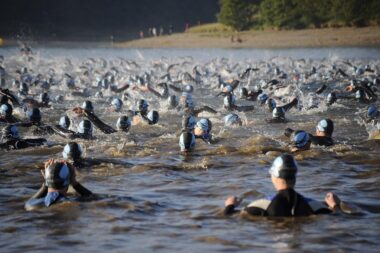
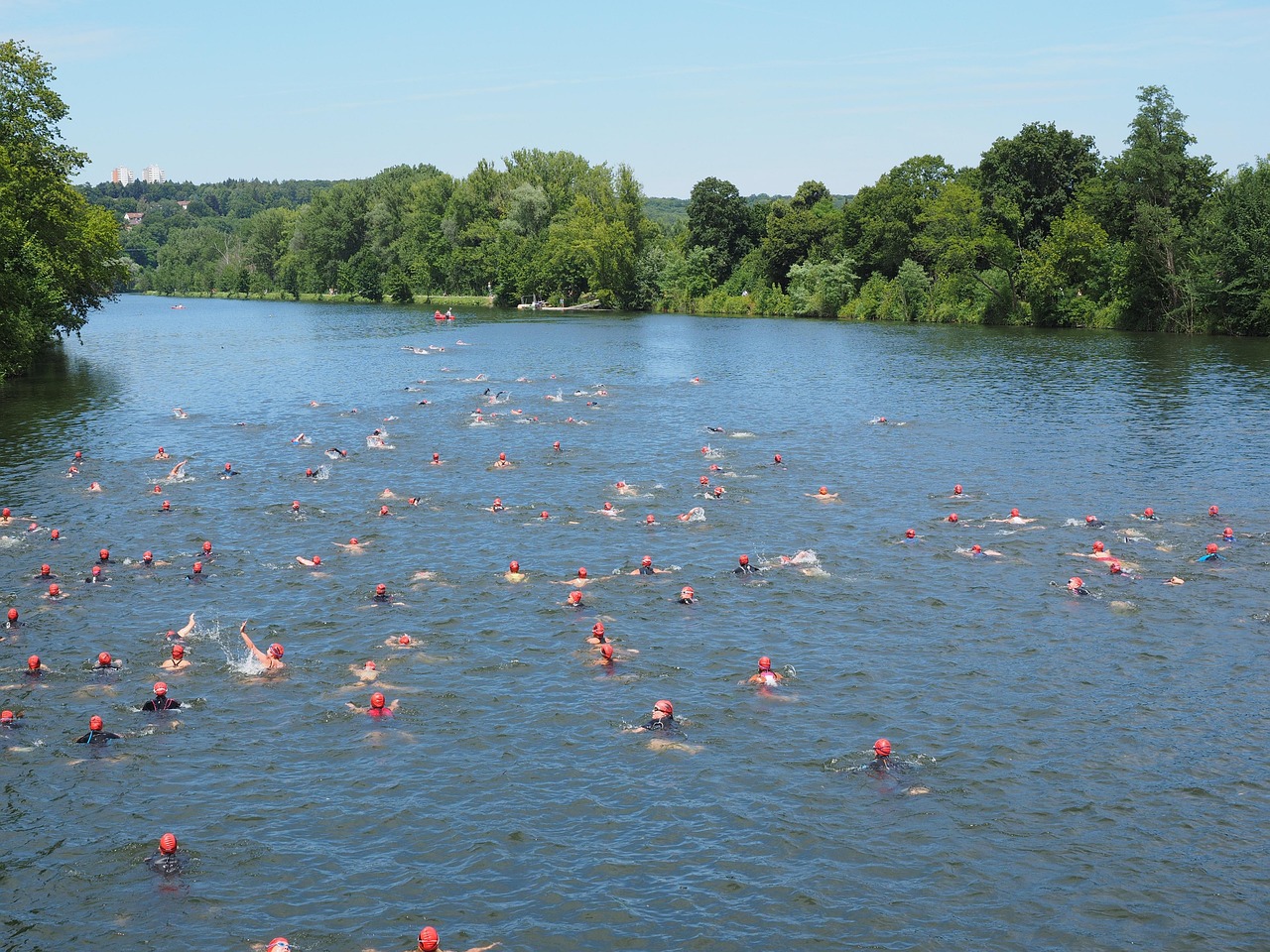
Many athletes make common mistakes during triathlon swimming, affecting performance. One major issue is poor body position. Swimmers often fail to maintain a streamlined shape, leading to increased drag. Instead of floating horizontally, they might sink their hips or legs. To address this, consider practicing drills that emphasize body alignment. Also, be mindful of breathing techniques, as improper breathing can disrupt stroke rhythm. In addition, excessive arm movements can slow down speed. Instead, focus on efficient strokes to enhance propulsion. Furthermore, inexperienced triathletes often underestimate the value of swimming in open water, neglecting outdoor swim sessions, essential for acclimatization. It’s crucial to familiarize yourself with environmental factors that can affect performance, such as currents and temperature. A common misconception is to solely focus on endurance training, while neglecting strength and flexibility workouts, which can are equally vital for overall swimming efficiency. By addressing these issues, triathletes can significantly improve their swim performance and, ultimately, their race results. Careful analysis of techniques will ensure a more effective and enjoyable swimming experience.
Another common mistake is not optimizing the warm-up routine before swimming. Proper warm-ups prepare muscles for intense activity, reducing the risk of injury. Skipping this crucial step can lead to tight muscles that hinder performance. Therefore, include dynamic stretches and gradual swimming to increase blood flow. Moreover, a frequent oversight is lack of nutrition and hydration. Fueling your body with the right nutrients before races ensures consistent energy levels. Hydration plays a significant role in maintaining stamina during your swim. Neglecting fueling needs may cause fatigue, lowering overall performance. Swimmers often fail to practice transitions adequately. In a triathlon, transitions are crucial. Practicing these can save valuable seconds during the race. Poor planning on race day is another issue. Arriving late can lead to incomplete warm-up, thus negatively impacting performance. Lastly, don’t forget to refine technique through video analysis. Visual feedback can pinpoint errors and improve efficiency. By avoiding these common mistakes, triathletes can elevate their swimming game. Each aspect contributes to a well-rounded preparation strategy, ultimately fostering better race day outcomes. Focusing on these elements ensures a more successful and enjoyable triathlon experience.
Avoiding Overexertion During Training
Triathletes sometimes push themselves too hard during swim training, leading to burnout or injuries. Understanding the balance between intensity and recovery is vital. Most beginners feel the need to constantly improve their speed, causing them to overlook essential recovery periods. Overtraining can severely impact performance, leading to setbacks. Implementing rest days allows muscles to recuperate, ensuring long-term success. Additionally, triathletes might enter pool environments that hinder their progress. For instance, using crowded lanes can contribute to poor technique due to interruptions. Finding appropriate times for practice or utilizing open water is beneficial. Another factor is not monitoring progress; when swimmers fail to track improvements, they do not recognize areas where they struggle. Regular assessments of swimming times or distances can guide future training regimens. Many participants also underestimate the importance of different swimming strokes. Incorporating various strokes can enhance overall strength and versatility. Lastly, seek professional coaching or guidance. Expert advice can provide insights into refining techniques and approaches. By recognizing and addressing these issues during training, triathletes can improve their swimming effectiveness and overall race results, ensuring more enjoyable competition times.
Additionally, setting unrealistic expectations can lead to disappointment. New triathletes often aim for immediate results, without considering the gradual nature of skill development. Patience and consistency are essential virtues in triathlon preparation. Cultivating a positive mindset helps to appreciate small victories throughout the training process. Proper rest is just as important as training. Without adequate sleep, performance can dwindle, as fatigue leads to poorer swimming outcomes. Prioritize getting ample rest during training periods. Another aspect is neglecting cross-training, which can enhance overall athleticism and reduce injury risks. Engaging in activities such as cycling or running can provide a well-rounded fitness foundation. Relying solely on swimming might cause an imbalance. Furthermore, focusing on speed instead of endurance can lead to premature fatigue. Pace your swims to promote long-term sustainability. Frequent adjustments to technique based on environmental conditions are essential. Open-water swimming requires adaptation to factors like waves or currents, while pool swimming emphasizes controlled settings. Refining skills in various environments ensures a more versatile swimmer. Embracing all these aspects ultimately contributes to enhanced performance and enjoyment throughout the triathlon journey.
Understanding the Importance of Technique
A frequent mistake among triathletes is focusing solely on distance and speed rather than honing swimming technique. Emphasis on technique improves efficiency and reduces energy expenditure, which aids performance. Many swimmers fail to recognize how small adjustments win races. Concentrating on body rotation and a proper kick can drastically enhance speed and efficiency in water. Inefficient breathing patterns also contribute negatively to performance. Many athletes develop habits where they take too many or too few breaths. Establishing a rhythmic breathing pattern keeps energy levels stable and promotes stamina. Furthermore, improper hand entry causes incorrect propulsion, leading to wasted energy. The entry should be smooth and aligned with the shoulder, avoiding splashing water. Additionally, swimmers often overlook the importance of a consistent stroke rate. Finding a personal optimal stroke rhythm improves swim efficiency particularly during longer distances. Molina patterns of reaching out with the hand before pulling back reinforces a smooth gliding motion. Furthermore, analyzing personal swim videos helps to uncover unnoticed mistakes that need correcting. Engaging in technique-focused drills and seeking advice from skilled coaches can provide valuable benefits. Striving to understand technique thoroughly ensures a more effective swimming experience.
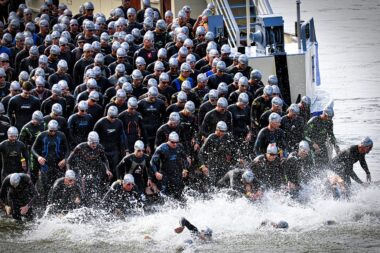
Another common issue is the tendency to underestimate race day preparation. Familiarizing oneself with the specific race course is critical for success, as conditions may differ. Pristine swimming conditions often fail to prepare athletes for turbulent race environments. Engage in practice sessions at similar locations to understand real-world challenges. Furthermore, practicing with gear used for the race builds comfort levels. Transitioning from swimming to biking requires acclimatization to different demands. Triathletes should regularly practice assembling and disassembling equipment during training. Another notable mistake is overlooking mental preparation, often dubbed the sixth discipline. Mental toughness can dramatically influence performance. Working on visualization techniques enhances confidence and reduces anxiety during competitions. Additionally, not addressing equipment issues can lead to setbacks. Ensure goggles fit properly and aren’t prone to leakage. Ill-fitting suits can create discomfort, drastically impacting focus and overall performance. Lastly, manage time effectively leading up to the race. Rushing can breed unnecessary stress, amplifying potential errors. Entering race day organized and mentally prepared goes a long way toward achieving a successful swim. By incorporating these strategies, triathletes can enhance their preparation, ensuring a more successful triathlon experience.
Final Thoughts on Triathlon Swimming
Equipped with understanding the common mistakes to avoid, athletes can significantly improve their triathlon swimming. Reminding oneself that perfection takes time is essential; focusing on gradual improvements fosters success. The key lies in understanding one’s weaknesses and addressing them head-on. Regular intervals for assessing performance ensure that progress is continually monitored. Moreover, take the opportunity to learn from experienced triathletes. Sharing experiences and receiving constructive feedback leads to better understanding. Building a strong support network enhances motivation throughout the training process. Furthermore, conducting the necessary research assists understanding evolving techniques and methodologies. Joining a triathlon club or engaging with online communities provides access to valuable insights. Proper planning for race day should also not be neglected. Organizing logistics ahead of time minimizes stress, allowing athletes to focus solely on performance. With a positive mindset and commitment to continuous improvement, every triathlete can work toward enhancing their swimming performance. Regular practice and determination to avoid common pitfalls shape a successful swimming experience. Armed with these strategies, prepare to tackle the swimming leg of a triathlon with confidence.
Ultimately, triathlon swimming encapsulates a blend of skills that require dedication and discipline. By consistently refining technique, managing rest effectively, and recognizing common mistakes, athletes position themselves for improved outcomes. Every aspect contributes to crafting a seamless swimming experience that facilitates better race results. Thus, triathletes must adopt a holistic approach to their training routine, recognizing that improvement awaits with patience and effort. Incorporate these insights to pave the way to mastering triathlon swimming. Engaging with fellow athletes enhances the journey, creating a supportive atmosphere where everyone can thrive. By setting realistic goals, triathletes can focus on progressive enhancements while celebrating small victories along the way. Balancing endurance, strength, and technique is vital to becoming a competitive swimmer. Expand your repertoire by exploring different strokes and training environments, adapting your skill set accordingly. Don’t overlook the importance of mental preparation, as confidence and visualization play integral roles in aquatics. As you embark on your triathlon swimming journey, remember to embrace every moment in the water, developing not just as a swimmer but as a well-rounded athlete.