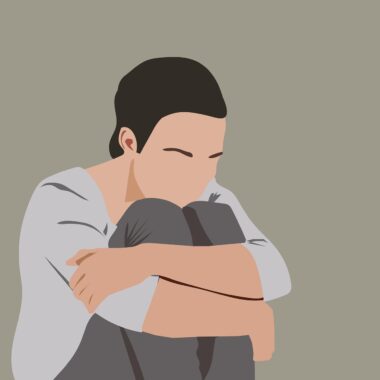

Advances in Medical Treatments for Women’s Eating Disorders
Eating disorders, particularly among women, represent a significant health challenge worldwide. Recent advances in medical treatments offer hope and new avenues for managing these complex conditions. Psychological factors often drive these disorders, necessitating a comprehensive approach that includes both psychological therapy and medical intervention. Medication has become increasingly important in treating conditions like anorexia nervosa, bulimia nervosa, and binge eating disorder. Selective serotonin reuptake inhibitors (SSRIs) are one of the most commonly prescribed medications for binge eating disorder, showing effectiveness in reducing binge episodes while also improving mood. Cognitive behavioral therapy remains the gold standard in psychological treatments; however, it is most effective when combined with medication. Nutritional rehabilitation plays a vital role, ensuring that women receive the appropriate nutrients required for recovery. Collaborative care models enhance treatment efficacy by engaging primary care physicians, psychiatrists, and dieticians in a unified treatment plan. As awareness of eating disorders grows, the focus on innovative treatment options is essential for encouraging recovery. Moreover, extensive research is ongoing to develop new medications targeting specific neural pathways associated with eating disorders.
Emerging Treatment Modalities
Emerging treatment modalities are critical in addressing the unique needs of women suffering from eating disorders. A combination of psychotherapy and pharmacotherapy has shown promise in promoting recovery and improving overall health. Novel approaches include intensive outpatient programs and inpatient treatment that specialize in women’s health issues. These programs often integrate the latest research findings into their treatment strategies. Mindfulness-based interventions and yoga therapy have gained traction as effective adjuncts to traditional treatments, emphasizing the mind-body connection. Studies indicate that mindfulness reduces anxiety and promotes healthier eating behaviors, which are vital in treatment. Additionally, family-based treatment models engage family members, providing support to the affected individual, enhancing treatment effectiveness. Furthermore, the use of telehealth services has expanded access to care, especially beneficial during reported rises in eating disorder cases. Women can now receive guidance from healthcare professionals without geographical limitations. Internet-based interventions are also making significant strides in reaching those reluctant to seek help in traditional settings. By continuing to develop and refine these treatment options, healthcare providers can enhance recovery pathways for women facing eating disorders.
Additionally, the role of dietitians in managing eating disorders cannot be overstated. Specialized dietitians employ a recovery-focused approach to nutritional guidance, addressing disordered eating behaviors and promoting healthy relationships with food. Nutrition education empowers women to understand their body’s needs, which is crucial for recovery. Personalized meal planning encourages positive eating habits and supports gradual weight restoration in cases of anorexia nervosa. The importance of a supportive environment during recovery cannot be neglected, as it fosters a sense of security and encourages healthier behaviors. Family support plays a critical role in treatment adherence, creating a structured environment for recovery. Peer support groups also offer significant emotional benefits; sharing experiences can greatly reduce feelings of isolation. Digital platforms increasingly facilitate such interactions, connecting women across the globe to share their journeys toward recovery. Research continues to highlight the interplay between biological, psychological, and sociocultural factors in treating these disorders. A holistic understanding informs providers’ approaches, ensuring they cater to the multifaceted nature of eating disorders. Ultimately, ongoing education about these conditions is essential for reducing stigma and promoting awareness.
The Role of Technology in Treatment
Technology plays a transformational role in advancing treatment options for women with eating disorders. Telehealth services allow patients to connect with medical professionals and receive ongoing support, even from the comfort of their homes. The rise of mobile applications designed to track eating habits, moods, and progress facilitates greater self-awareness among users. These tools help measure progress, set goals, and provide motivation, all essential in the recovery process. Websites offering virtual support groups and forums foster community and reduce feelings of isolation that often accompany eating disorders. Moreover, professionals can use data collected from these apps to tailor treatments to individual needs, offering a personalized approach. Online cognitive behavioral therapy programs employ real-time video interaction that benefits individuals unable to attend in-person sessions. These innovations empower patients and provide immediate access to resources. Furthermore, engaging in social media campaigns plays a role in raising awareness and normalizing discussions around eating disorders. By breaking various stigmas associated with these conditions, society can promote understanding and encourage women to seek the help they need without fear or shame. The future of eating disorder treatment is undoubtedly brighter.
Pharmacological interventions specifically designed for women with eating disorders are vital to ensure comprehensive care and improved outcomes. New medications are being explored that target neurobiological factors influencing these disorders. One innovative approach includes the use of oxytocin, which has been researched for its potential effects in treating anorexia nervosa and promoting positive social interactions. Hormonal differences in women can impact their experience and recovery process, highlighting the need for gender-specific treatments. Research focused on understanding these disparities leads to the advancement of tailored pharmacological options. Combining medications with psychotherapy accelerates recovery and reduces relapse rates. Clinical studies are also examining the role of antidepressants in improving treatment outcomes for bulimia nervosa, showing promise in lowering symptoms. The importance of ongoing monitoring and adjusting medication plans cannot be overemphasized, as individual responses can vary significantly. Regular assessments and open communication between patients and healthcare providers enhance treatment success. In-depth research into the efficacy of various pharmacological options is essential in advancing our understanding and management of eating disorders among women, ensuring targeted interventions lead to improved long-term health outcomes.
Stigmatization and Public Awareness
Stigmatization surrounding eating disorders remains a critical barrier to treatment, particularly for women. Increased public awareness is essential in combatting myths and misconceptions that can prevent individuals from seeking help. Campaigns aimed at educating the community about the realities of eating disorders can play a significant role in reducing stigma. Furthermore, integrating discussions about mental health into educational curricula fosters understanding from a young age. Organizations and advocacy groups have mobilized efforts to promote acceptance, empathy, and support for those affected by these disorders. Highlighting stories of recovery can inspire hope while emphasizing the importance of early intervention. Workshops and training for healthcare professionals also contribute substantially to improving recognition and understanding of eating disorders in women. Primary care providers must receive education to ensure they can identify symptoms and provide appropriate referrals. Media portrayals of eating disorders influence societal perceptions, making responsible representation crucial in shaping dialogue. Positive narratives promote realistic standards of beauty and highlight the diversity in body types, encouraging women towards healthier choices. Changing societal attitudes toward eating disorders is a fundamental step in building an environment conducive to healing and support.
To conclude, advances in medical treatments for women’s eating disorders demonstrate a growing acknowledgment of the complexities surrounding these conditions. Innovations in both therapeutic and pharmacological interventions represent a multifaceted approach to recovery. Ongoing research into gender-specific factors continues to enhance our understanding and management of eating disorders. By emphasizing holistic treatment models that integrate psychological, nutritional, and medical strategies, healthcare providers can significantly improve outcomes for their patients. As stigma surrounding eating disorders diminishes, more women will feel empowered to seek help, paving the way for timely interventions. The synergy of technology, community support, and interdisciplinary collaboration are all pivotal in constructing effective treatment pathways. Regularly updating clinical practices based on evidence ensures healthcare providers remain at the forefront of effective treatments. Each step taken in raising awareness, providing education, and supporting recovery contributes to a healthier future for those affected by these disorders. The commitment to enhancing treatment and championing mental health awareness must remain unwavering, fostering hope and resilience for women facing these profound challenges.
The Future of Eating Disorder Treatments
Research and clinical practice surrounding eating disorders are evolving rapidly, highlighting exciting prospects for the future. Continued investment in mental health initiatives is crucial for developing new treatment models that focus on women. As more attention is directed toward understanding the biological and psychological components, treatments can be tailored more accurately to meet individual needs. Integrative approaches that combine traditional therapies, nutritional support, and pharmacological interventions are likely to gain prominence. Partnerships between healthcare professionals, researchers, and policymakers can drive innovation in treatment access and delivery. Ensuring that women have access to comprehensive care, regardless of financial or geographic barriers, is essential for improving outcomes. Furthermore, the integration of personalized medicine principles could transform treatment strategies, focusing on genetics and individual responses to therapy. Women should feel empowered to participate actively in their treatment decisions, promoting autonomy and engagement in the recovery process. Additionally, addressing underlying societal issues that contribute to eating disorders, such as body image pressures and unrealistic beauty standards, remains imperative. The future of eating disorder treatments must prioritize a compassionate, individualized, and holistic approach to ensure long-term recovery and health.