
The Link Between Environmental Water Quality and Personal Fitness
Water quality is a crucial component of environmental fitness that directly impacts personal health and overall fitness. Polluted water has numerous harmful effects on human health, leading to various diseases and conditions. The consumption of contaminated water can result in gastrointestinal disorders, reproductive issues, and neurological problems. It is imperative for individuals to understand how polluted water can impair their physical fitness and how to mitigate these risks effectively. Clean water contributes to optimal hydration, allowing the body to function efficiently during workouts and everyday activities. Maintaining good hydration levels is essential for peak performance in physical activities, whether it’s running, swimming, or participating in team sports. To prevent water pollution, one must support local initiatives that promote clean water systems and maintain the health of surrounding waterways. Awareness about water disposal regulations helps individuals understand the importance of responsible usage. Making conscious lifestyle choices surrounding water use can lead to lasting benefits in personal fitness. Therefore, each person should take an active role in preserving water quality and, in doing so, bolster their own fitness journey.
Contaminated water sources, including rivers, lakes, and aquifers, are often caused by human activities such as industrial discharges, agricultural runoff, and improper waste disposal. Addressing these sources is crucial for improving water quality and promoting a healthier environment. For instance, the release of chemicals and pollutants from industries can severely degrade the water’s purity. This not only jeopardizes natural ecosystems but also affects food chains, leading to bioaccumulation of toxins in aquatic life consumed by humans. Ensuring that strict regulations are enforced on industries will not only protect the environment but also safeguard public health. Moreover, adopting sustainable practices such as planting trees and using organic farming techniques can enhance water quality. Individual actions, such as reducing plastic usage and being mindful about household chemicals, also contribute significantly. Collectively, community efforts can create a ripple effect, leading to healthier water sources. Collaborating with local groups or supporting organizations dedicated to environmental protection can amplify these efforts. Ultimately, cleaner water improves personal fitness by providing a healthier resource for hydration and active lifestyles. Each person can contribute in meaningful ways, ensuring a legible link between water quality and fitness.
Hydration and its Role in Fitness
Hydration is vital for maintaining physical performance and overall health. Water acts as a natural lubricant for muscles and joints, facilitating smoother movement and minimizing injuries during exercise. When individuals engage in physical activity, they lose water through sweat, making proper hydration essential. Inadequate water intake can lead to fatigue, decreased endurance, and impaired recovery, all hindering personal fitness goals. Moreover, staying hydrated boosts metabolic functions, aiding in effective nutrient transport and absorption vital for energy production during workouts. It’s critical to remind ourselves that just because we do not feel thirsty does not mean we are adequately hydrated. Proactive hydration strategies, such as sipping water throughout the day and consuming hydrating foods, are essential. Many athletes also monitor hydration levels before, during, and after physical activities to optimize their performance. Choosing clean, safe drinking water over sugary drinks contributes to better hydration. Communities can play a role in ensuring access to clean drinking water, as this can help enhance overall fitness levels in populations. Engaging in activities that protect water resources not only benefits personal health but also fortifies fitness. A collective effort towards better hydration leads to profound benefits overall.
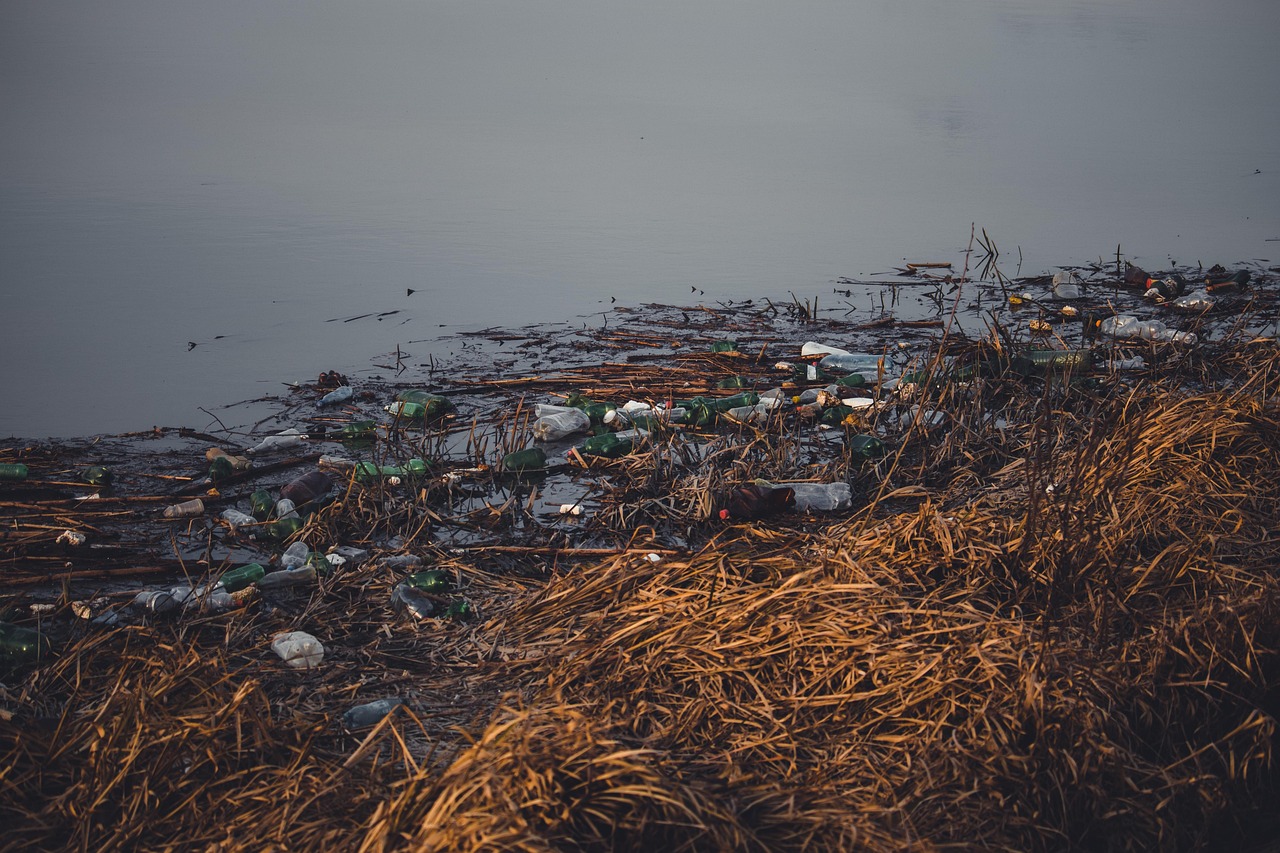
One of the significant issues that impair water quality is the accumulation of plastics in water bodies. Plastics degrade slowly and introduce harmful chemicals and microplastics into the food chain, posing health risks to humans and aquatic life alike. To address this challenge, communities need to come together to develop waste reduction programs and promote recycling initiatives. Awareness campaigns focused on the impacts of plastic pollution can inspire individuals to adopt sustainable habits, such as using reusable bags and bottles. Through education and involvement, people can help reduce the amount of plastic entering waterways, protecting aquatic ecosystems. Cleaner water not only promotes fitness-minded individuals but also enhances the possibility of outdoor activities such as swimming and kayaking. Participating in local clean-up events can further foster community spirit while directly improving water quality. Investing time and resources to clean waterways and protect aquatic environments forms a critical link to personal health and fitness. Moreover, clean waters create opportunities for enjoyable, physically engaging activities that contribute to better fitness outcomes. By addressing plastic pollution, we create a healthier planet and make strides towards better personal fitness results, inspiring others to take action as well.
The Importance of Environmental Awareness
Environmental awareness plays a crucial role in promoting both water quality and personal fitness. By understanding the direct impacts of pollution on health, individuals can take informed actions that lead to healthier lifestyles. Participating in educational programs aimed at raising environmental awareness helps cultivate a mindset focused on sustainability and conservation. Not only does this promote cleaner water, but it also encourages individuals to prioritize their fitness by adopting more active lifestyles. Clean environments inspire communities to engage in outdoor activities such as hiking, biking, and running. When these activities take place in clean surroundings, participants can experience the benefits of physical fitness while also nurturing their connection to nature. Additionally, practicing mindfulness about one’s ecological footprint leads to positive changes in daily habits. Simple lifestyle shifts can lead to significant impacts over time, including reduced pollution levels. Community gardens, local clean-up events, and workshops about sustainable practices can foster engagement and awareness. When individuals find joy in participating in such activities, it elevates their fitness experience while enhancing overall well-being. Environmental health is indeed tied to personal health; investing in both results in a more sustainable future.
Water recreation activities, such as swimming or water sports, not only benefit physical fitness but also promote mental well-being. Accessing clean, pollution-free waters enables enjoyment and fosters connections among participants. Swimming has numerous fitness benefits, ranging from cardiovascular improvements to muscle strengthening. As individuals immerse themselves in fresh water, they also enjoy therapeutic effects that reduce stress and anxiety. Such experiences create a balanced approach to health, marrying physical activity with mental wellness benefits. Furthermore, engaging in group activities encourages social interaction, which is vital for maintaining mental health. Communities can establish programs that provide access to clean water for recreational purposes, promoting fitness and well-being for all residents. Local governments should prioritize conservation efforts to ensure water quality remains intact for recreational use. By recognizing the link between healthy environments and fitness opportunities, organizations can offer programs that encourage individuals to engage in outdoor activities. This ultimately cultivates a culture of fitness, environmental stewardship, and social interaction. Investing in clean water will provide lasting benefits for current and future generations, ensuring that everyone can enjoy the personal fitness associated with recreational water activities.
Conclusion: A Call to Action
To foster a strong connection between environmental water quality and personal fitness, it is essential to embrace responsibility as individuals and communities. The fight against water pollution requires a united front, where everyone takes impactful steps towards preservation. This involves advocating for policies that promote clean water, supporting organizations that protect aquatic environments, and leading by example. Individuals can start small by reducing water usage, disposing of waste properly, and participating in local clean-up initiatives. Educating others about the link between water quality and personal fitness creates a ripple effect, allowing the message to reach wider audiences. Encouragement from strong community leaders can bring collective action that yields substantial improvements in water quality. By enhancing awareness, we also improve personal health, as communities with cleaner water resources tend to have higher fitness rates. Together, we can create a healthier lifestyle and more sustainable planet for future generations. Fostering this connection can inspire a new generation committed to environmental fitness. Everyone can contribute positively towards water pollution prevention, amplifying both personal and community wellness.
By participating in advocacy efforts and regularly informing ourselves about local water quality issues, we can better understand how our actions affect public health. Grassroots campaigns focused on environmental education can empower individuals to take a stand. It is vital to incorporate fitness into local environmental initiatives, as this promotes both personal well-being and community health. As individuals begin making conscientious choices, the collective impact reaps benefits that extend to entire communities. Building strong connections with nature through physical activity allows for deeper appreciation of water sources and their importance. Enhancing outdoor experiences promotes not only fitness but also respect for natural resources. By exploring the environment, individuals often discover innovative solutions to environmental challenges, tying together personal athletic pursuits with community action. Strategic collaborations among fitness organizations, local governments, and conservation groups can forge powerful partnerships that drive change. Campaigns that advocate for higher water standards and engage public interests can generate significant support for clean environments. It is time for individuals to see the impact of their choices and take visible action for better water quality, ensuring the essential link to personal fitness remains strong in their communities. A focus on environmental stewardship ultimately leads to improved personal health.