
The Importance of Footwear in Posture and Ergonomics
Footwear plays a critical role in maintaining proper posture and ergonomics. The selection of shoes can significantly influence how weight is distributed across the body. Shoes with adequate cushioning and proper arch support can enhance comfort and stability. This is essential when engaging in physical activities, as incorrect footwear can lead to discomfort or pain. A study published in the Health Journal revealed that choosing the right shoes can alleviate common issues like plantar fasciitis and knee pain. It is vital for individuals to understand how footwear affects overall alignment as well. The impact of footwear extends beyond just comfort; it influences our posture dramatically. Improper alignment from wearing the wrong shoes can lead to long-term physiological issues. Therefore, investing in quality footwear becomes imperative for anyone looking to maintain their posture. Take note: when selecting shoes, prioritize function over fashion. Adopting proper footwear can help prevent injuries and promote long-term health by ensuring a strong base for your body to stand upon. Thus, be mindful of the footwear you choose for your daily activities.
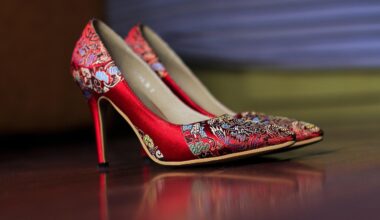
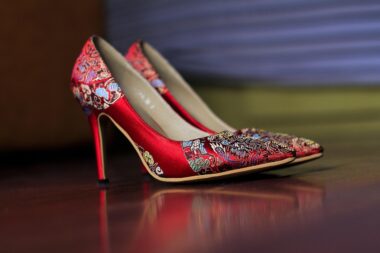
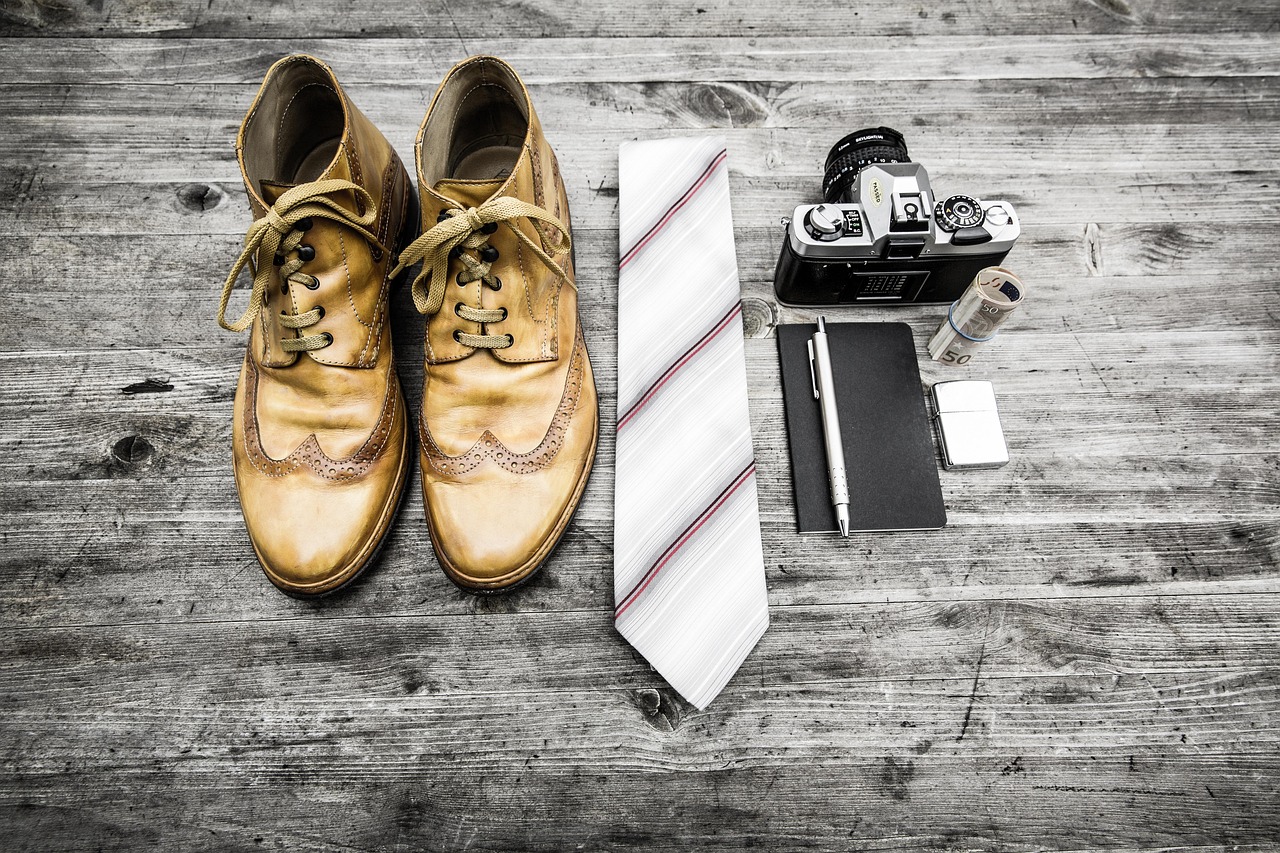
Common types of footwear include running shoes, dress shoes, and casual sneakers. Each type has different attributes that cater to varying activities. Understanding these differences can greatly assist in making informed choices. For instance, running shoes are designed primarily for shock absorption and support. They typically offer a snug fit and enhanced flexibility. In contrast, dress shoes may focus more on aesthetic appeal while often sacrificing comfort and support. Casual sneakers often blend the best of both worlds. Here are some tips to keep in mind when selecting appropriate footwear:
- Consider your daily activities and alignment needs.
- Assess the shoe’s cushioning and arch support.
- Try shoes on at the end of the day when your feet are swollen.
- Walk around in the shoes to ensure they fit properly.
These tips can guide you in selecting shoes that will provide the best support for your body. Choosing the right footwear ultimately enhances your overall health and well-being.
Proper Footwear and Its Effect on Posture
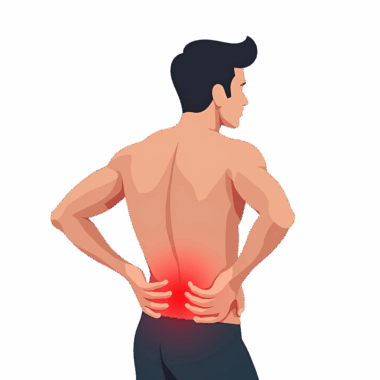
Proper footwear is crucial for maintaining good posture. When your shoes support your feet effectively, the alignment of your body improves naturally. Shoes that are too flat or too high can alter the natural alignment, leading to issues. An imbalance can cause strain on your knees, hips, and lower back, contributing to long-term pain. Additionally, shoes lacking adequate support can result in overpronation or supination, disrupting overall biomechanics. It is essential to choose footwear that aligns with your foot’s structure. A supportive shoe often features built-in arch support and a cushioned heel to promote better posture alignment. Regularly assessing and updating your footwear based on activity and comfort is crucial as well. If you notice discomfort or strain, it may be time to reevaluate your shoe choices. Always remember that the link between footwear and posture is significant. Neglecting this connection can lead to chronic health issues. Make informed decisions about footwear to improve your overall posture and ergonomics and support your body with every step you take.
In addition to proper shoe selection, one must also consider the fit of the footwear. A shoe that is too tight can cause pins and needles, while overly loose shoes can cause slippage, leading to a variety of injuries. Fitting guidelines can vary by brand, so it’s essential to measure your feet regularly and try on shoes in the afternoon, when feet tend to swell. The size may also differ across brands, so being open to different sizes is beneficial. For prolonged comfort, prioritize styles that accommodate natural foot movement. Each activity may require a significantly different type of shoe fit based on how movement occurs. In particular, sports shoes and work shoes have specifications tailored to the challenges they face. Here are some signs that your shoes may not be fitting correctly:
- Visible calluses or corns.
- Persistent pain in feet, knees, or back after wearing them.
- Signs of wear on only one side of the shoe.
Make sure to maintain the integrity of your foot health by ensuring a proper fit.
Educating on Footwear Choices
Education about footwear choices is imperative for individuals of all ages. Knowledge of how shoes influence posture can empower better decision-making. Healthcare professionals, such as physiotherapists and podiatrists, can provide valuable insight into the best types of footwear for various conditions. Moreover, reading reviews and educated articles online can enhance knowledge as well. When purchasing, be sure to look for reputable brands known for their focus on ergonomics. Many companies today emphasize technology in shoe design to enhance support and comfort. Factors to consider when researching footwear include stability, cushioning, and arch support. Familiarize yourself with brands that specialize in orthopedic shoes or those well-suited for your specific sport. Additionally, educate yourself about the necessary features that cater to each activity. Consult with professionals or reliable sources to help inform your decision. Gaining this knowledge can significantly impact your everyday comfort and long-term health. Ultimately, understanding the importance and characteristics of shoes can bridge a vital connection between footwear and posture.
Footwear should not be an afterthought in your daily routine; rather, it should be integral to maintaining both comfort and posture. Neglecting proper footwear can lead to short-term discomfort and long-term health issues. It is crucial to learn about the types of shoes that exist for different activities, as they are specifically designed to meet those needs. Low-quality shoes or those that do not address your foot’s structure can rapidly cause fatigue and misalignment. As discussed, shoes must provide sufficient support and cushioning to enable your best posture. Entering a specialized store can help find the best shoes and provide valuable advice from trained professionals. Furthermore, consider investing in orthotic inserts if necessary to ensure your shoes provide the required support. Consult a podiatrist regarding custom orthotics if you have specific foot conditions. Remember: your feet are your foundation and deserve optimal support. Prioritizing appropriate footwear is just as essential as maintaining a balanced diet and exercise regimen. Pay attention to the shoes you choose, as they genuinely impact your posture and overall ergonomic health.
Conclusion
In conclusion, footwear plays a significant role in posture and ergonomics. The relationship between the right shoes and overall body alignment cannot be underestimated. The variety of footwear caters to different needs and activities, emphasizing the importance of choosing wisely. Beyond aesthetics, prioritizing comfort, support, and fit is paramount in every pair of shoes you consider. By being educated on what to look for, evaluating fit, and recognizing signs of wear, you can make informed footwear decisions that benefit your health. Whether you are an athlete, someone working long hours on their feet, or simply walking for leisure, ensure your footwear meets the necessary standards. Additionally, consulting with professionals can provide personalized footwear recommendations. Fostering a habit of proper footwear selection not only enhances your comfort but also influences your overall posture and ergonomics positively. Ultimately, making conscious footwear choices is a crucial step towards achieving better long-term health and wellness. Embrace the importance of footwear in your journey to improved posture. Let’s take these steps together!