
The Importance of Footwear in Posture and Ergonomics
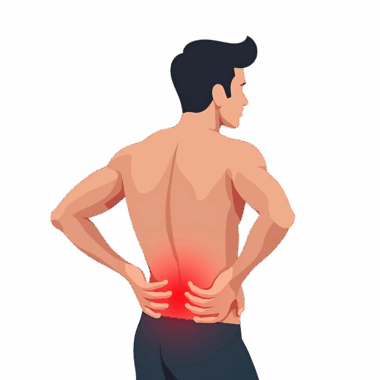
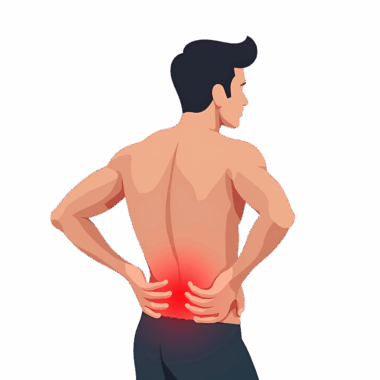
In today’s world, the importance of footwear cannot be overstated, particularly regarding posture and ergonomics. Poor footwear choices can lead to serious issues such as back pain, joint discomfort, and long-term posture problems. Proper footwear should provide adequate support and cushioning while allowing for natural foot movement. When selecting shoes, consider factors such as arch support, heel height, and material. Footwear that fits well and suits individual foot shapes can enhance comfort and stability. Furthermore, the right shoes can impact the way individuals walk, which ultimately affects their overall posture. It is essential to select shoes that maintain the foot’s natural alignment and promote a healthy gait. Investing in quality footwear may seem costly initially, but in the long run, it is a wise choice for maintaining a strong and healthy posture. Remember that every individual is unique, and the shoes that work for one person may not be suitable for another. It is crucial to assess your personal footwear needs based on your lifestyle, activity level, and any underlying health conditions.
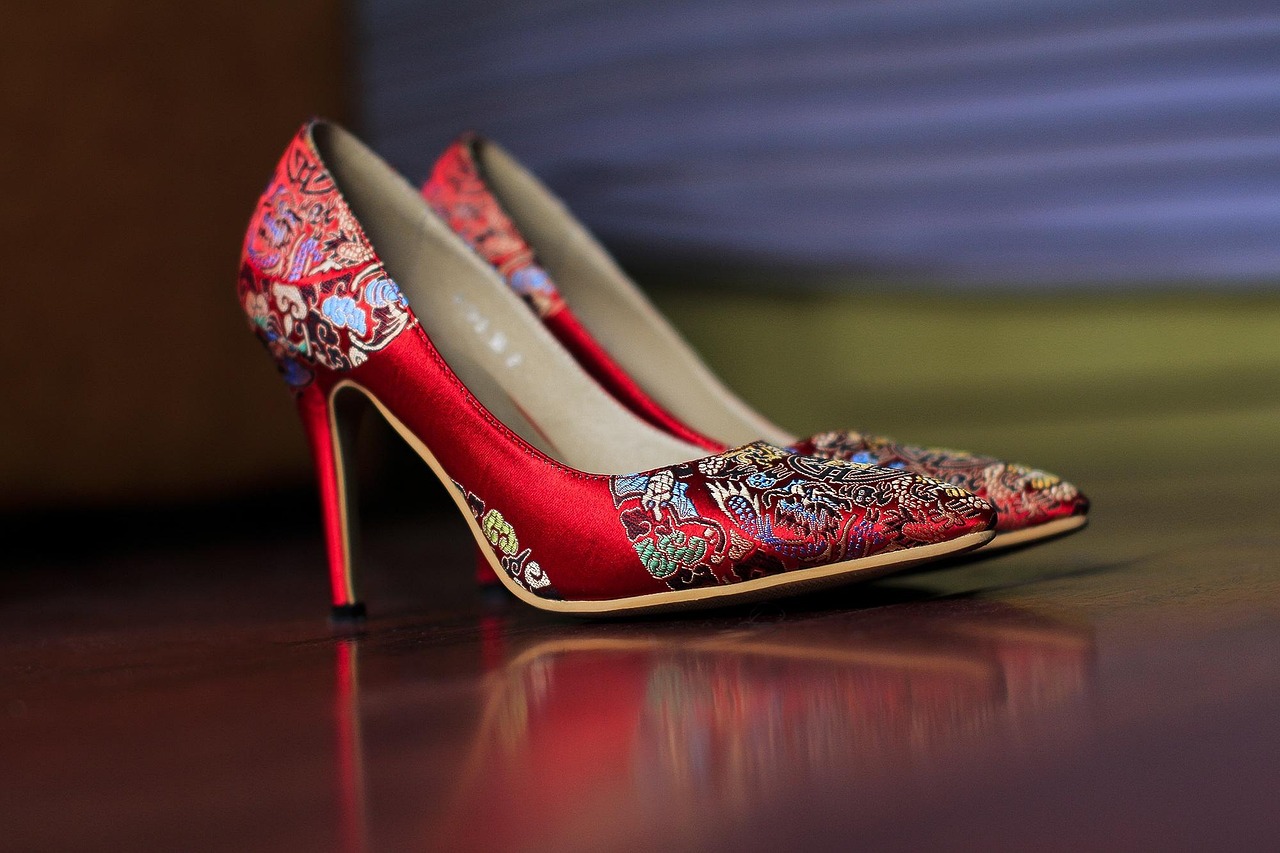
When discussing posture correction techniques, it is vital to explore the role of footwear. Inappropriate shoes can lead to misalignment of the body, as the feet serve as the foundation for posture. Without a strong foundation, the entire skeletal structure can spiral into imbalance. This imbalance may cause discomfort or more serious conditions over time. Everyone should be aware of choosing footwear that offers appropriate support for daily activities, such as athletic shoes for sports and supportive flats for everyday wear. Moreover, high heels, although stylish, can compromise posture and lead to long-term issues if worn frequently. The prolonged pressure from high heels can cause the spine to curve unnaturally, resulting in back and neck pain. Therefore, it is necessary to diversify your shoe collection with styles that enhance your posture. Incorporating shoes with a lower heel and more support can lead to better health results. Regularly evaluating your footwear choices can help prevent injury and improve overall well-being.
Choosing the Right Footwear for Your Posture
The type of footwear chosen directly influences posture, with several factors in play. First, arch support is essential, as it helps distribute weight evenly across the foot. For individuals with flat feet, shoes with enhanced arch support are necessary to prevent discomfort and enhance stability. Additionally, the sole’s material plays a significant role. Shoes crafted from durable, shock-absorbing materials tend to reduce impact when walking or running. A stiff sole can prevent excessive foot movement, allowing for better alignment of the hips, spine, and shoulders. Shoes that fit properly reduce friction and discomfort, making walking enjoyable rather than painful. It’s imperative to ensure there is enough room for toes while providing a snug fit around the heel. Also, flexibility in footwear allows the foot to move naturally, which promotes better posture. Understanding these elements can guide individuals in their search for ideal footwear that supports their posture and overall body alignment. Seek advice from professionals to find options tailored specifically to your unique foot structure.
The significance of regular evaluations of your existing footwear cannot be ignored. Shoes lose their structural integrity over time, and continued usage of worn-out footwear can exacerbate posture problems. It’s beneficial to check for signs of wear and tear, such as uneven sole wear, which may indicate poor gait mechanics. For those engaged in physical activities, consider replacing athletic shoes every 300 to 500 miles or every six months. Regularly assessing your footwear aids in recognizing when it’s time for a replacement, ultimately preventing unnecessary pain and discomfort. As individuals grow older, their foot shape can change, so continual monitoring of shoe fit is necessary. Children, too, require proper footwear as their feet develop rapidly. Selecting shoes that adapt to their growth ensures they maintain healthy posture from a young age. Parents should engage in frequent checks to guarantee that their child’s shoes remain supportive. Maintaining a strong posture throughout life starts with making the right footwear decisions consistently.
The Connection Between Footwear and Athletic Performance
Athletes rely heavily on proper footwear to enhance performance, but it also plays a crucial role in posture. The type of shoes worn during physical activity affects running dynamics, foot positioning, and overall body alignment. Studies show that athletes who wear the correct footwear can perform better due to increased comfort and stability. Inappropriate footwear can hinder athletic performance and lead to injuries. Shoes designed for specific sports, whether it’s running, basketball, or soccer, offer features that support the foot effectively. They account for movements like lateral shifts, jumps, or sudden stops, which can create stress on the body. Proper footwear can significantly improve one’s posture and biomechanics, leading to more powerful movements and enhanced efficiency. Athletes must assess their unique foot types and biomechanics to select appropriate footwear tailored to their activities. By doing so, they can reduce injury risk and maximize their performance levels. Understanding the crucial connection between footwear and athletic performance is vital for anyone serious about maintaining their physical health.
Footwear not only affects posture during activities but also impacts it during everyday life. Individuals who spend long hours standing or walking should prioritize appropriate footwear to optimize their overall posture. Occupational footwear, designed specifically for daily wear, often includes features like slip resistance and arch support. Professionals in demanding fields such as nursing, hospitality, and manufacturing should invest in comfortable shoes that alleviate the strain caused by extended standing. Furthermore, the health of feet affects the rest of the body, creating a ripple effect. Discomfort or pain in the feet can lead to shifts in posture, causing strains in the lower back and hips. Additionally, individuals should be educated in practices that emphasize the importance of choosing the right footwear for their lifestyle. It is equally vital to allow feet to rest by alternating between different styles of shoes. This simple habit can promote a well-aligned posture over time. In conclusion, the right footwear selection is pivotal in maintaining bodily health and improving posture for individuals in all walks of life.
Conclusion: Embracing Footwear for Better Posture
Achieving optimal posture is an ongoing journey, and footwear is a critical piece of the puzzle. Properly selected shoes contribute to body stability and alignment, enhancing both comfort and health. Those who make footwear choices wisely are likely to enjoy healthier joints, reduced fatigue, and overall physical comfort throughout their day. Emphasizing the importance of transitioning to supportive shoes can allow individuals to feel their best, minimizing discomfort. Communication about everyday footwear should be encouraged among families and friends to promote shared awareness regarding the significant influence of footwear choices. Health professionals can better educate the public on how to choose the right shoes and assess their current footwear. Ultimately, individuals must take personal responsibility to enhance their health and well-being through mindful footwear decisions. Making informed choices about footwear can lead to positive outcomes for posture and reduce strain on the body. There is an evolving relationship between footwear technology and ergonomic design that empowers people to make better decisions. Addressing footwear’s role in posture correction can significantly impact an individual’s overall health and quality of life.
In summary, the connection between footwear, posture, and overall ergonomics is paramount. By prioritizing supportive footwear, individuals can facilitate better posture through enhanced comfort and improved alignment. Reflecting on personal footwear needs and making informed choices can positively impact one’s quality of life. Furthermore, understanding the crucial connection between footwear and health can encourage more people to take a proactive approach to their posture and overall wellness.