
The Anti-Inflammatory Effects of a Vegan Lifestyle
A vegan diet is often associated with numerous health benefits, particularly its anti-inflammatory properties. This type of diet eliminates animal products, focusing instead on a rich variety of plant-based foods. These foods are packed with essential nutrients such as vitamins, minerals, antioxidants, and fiber, which play a vital role in reducing inflammation in the body. Reduction in inflammation is linked to lower risks of chronic diseases such as heart disease, diabetes, and certain cancers. For individuals suffering from inflammatory conditions like arthritis or asthma, adopting a vegan lifestyle can lead to significant relief. The high content of fruits and vegetables in a vegan diet helps combat oxidative stress, a key contributor to inflammation. Research shows that plant-based diets can enhance immune function and lower inflammatory markers in the blood. To fully understand the effects, it is crucial to explore which plant foods are most effective in this regard and how they affect inflammatory processes at a cellular level. Convenience in meal preparation can also increase the adherence to this diet, thus maximizing its benefits.
Another essential aspect of a vegan diet is the inclusion of whole foods, which contribute significantly to its anti-inflammatory effects. Whole foods, such as whole grains, legumes, nuts, and seeds, are nutrient-dense and free from processed ingredients that can trigger inflammation within the body. Whole foods provide a source of complex carbohydrates, healthy fats, and proteins, which help maintain balanced energy levels and reduce cravings. Including a wide range of options can not only keep meals interesting but also ensure that your body is getting all the necessary nutrients to stay healthy. One key component is omega-3 fatty acids found in chia seeds, flaxseeds, and walnuts. These fats have been shown to lower inflammation and support heart health. Moreover, incorporating spices like turmeric and ginger, both known for their anti-inflammatory properties, can enhance the diet’s overall effectiveness. By prioritizing whole foods and recognizing their impact on inflammation, vegans can create a balanced and varied meal plan. It is imperative to listen to your body and adjust food choices according to personal needs and preferences to ensure optimal health benefits.
Antioxidant-Rich Foods and Their Role
Antioxidants play a critical role in neutralizing free radicals that can lead to inflammation and cellular damage. Many vegan-friendly foods are inherently rich in antioxidants, which can aid in further minimizing inflammatory responses. Berries like blueberries, strawberries, and raspberries are particularly high in antioxidants such as anthocyanins. These compounds have been linked to reduced inflammation and even improved cognitive function. Dark leafy greens like spinach and kale are also excellent sources of various antioxidants, vitamins, and minerals. In addition to fruits and vegetables, legumes such as kidney beans and lentils offer antioxidant properties while providing significant protein and fiber. Incorporating colorful, diverse foods into your meals enhances not only taste but also nutrient density. Additionally, many grains, such as quinoa and brown rice, contribute antioxidants along with supporting digestive health. It’s essential to consider cooking methods that can preserve these beneficial compounds. Utilizing steaming, sautéing, or raw preparations keeps antioxidants intact, allowing individuals to fully experience the health benefits of these foods. Every bite taken contributes to reducing inflammation, making it easier to enjoy a fulfilling lifestyle.
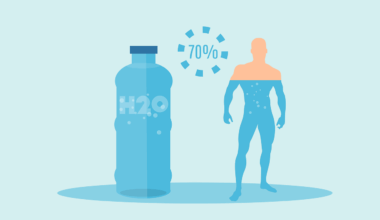
Furthermore, the importance of hydration cannot be underestimated in conjunction with a vegan diet. Optimal hydration supports bodily functions and can help manage inflammatory processes. Water is essential for maintaining cellular health and facilitating efficient waste removal from the body. Herbal teas can also be a great addition; green tea, in particular, is rich in polyphenols that exert anti-inflammatory effects. Staying hydrated improves nutrient absorption, boosts energy levels, and supports metabolism, ensuring your body is functioning effectively. Individuals engaging in high levels of physical activity may require increased fluid consumption, particularly following exercises. Including electrolyte-rich beverages, such as coconut water or homemade sports drinks, can enhance recovery for active vegans. Additionally, individuals should be mindful of replacing sugary beverages such as sodas with water, herbal teas, or plant-based smoothies. These simple adjustments significantly contribute to improving overall well-being while adhering to a vegan lifestyle. Combining hydration with a balanced intake of whole, plant-based foods creates a strong foundation for anti-inflammatory health benefits and fosters an energetic, fulfilling lifestyle.
Maintaining a Balanced Vegan Diet
To maximize the anti-inflammatory benefits of a vegan diet, it is crucial to maintain balance and variety over time. A well-rounded vegan lifestyle includes a diverse selection of foods to ensure all nutritional needs are met. Some vegan diets may inadvertently lead to nutrient deficiencies if one is not mindful, particularly concerning vitamin B12, iron, calcium, and omega-3 fatty acids. To combat this, incorporating fortified foods like nutritional yeast or plant-based milks can help fill nutritional gaps. Additionally, legumes and certain seeds can contribute to iron and omega-3 intake. It’s essential to pair iron-rich foods with vitamin C-rich options, enhancing absorption within the body. Regular monitoring of nutrient levels through periodic blood tests can guide dietary adjustments effectively. Moreover, considering supplements when necessary is advised to ensure adequate intake of vital nutrients. By staying informed and making adjustments as needed, adhering to a balanced vegan diet becomes much more manageable. Connection with a nutritionist may further benefit individuals seeking personalized advice based on their unique health needs, optimizing their vegan journey.
In addition to dietary modifications, incorporating a wholesome lifestyle further enhances the anti-inflammatory effects of a vegan diet. Regular physical activity is paramount, as it helps manage stress hormones and inflammation. Engaging in moderate exercise, including activities like yoga, walking, or biking, can be beneficial for overall health and well-being. Complementing this with adequate sleep supports recovery and hormonal balance, allowing the body to recharge effectively. Practicing mindfulness techniques, such as meditation or deep-breathing exercises, can reduce stress, which is often associated with increased inflammation. Finding enjoyable activities fosters a positive mindset, which is crucial for adhering to a vegan lifestyle. Community support can also play a meaningful role; joining vegan group events, classes, or forums promotes accountability and brings shared interests. Building a strong support network encourages individuals to stick to their health commitments while allowing for the exchange of recipes and tips. Embracing these lifestyle choices not only optimizes the vegan diet’s anti-inflammatory effects but enhances overall quality of life, bringing a sense of fulfillment and well-being along the way.
Conclusion: Embracing a Vegan Lifestyle for Better Health
In conclusion, the anti-inflammatory effects of adopting a vegan lifestyle are numerous and impactful. A diet rich in fruits, vegetables, whole grains, legumes, and healthy fats forms a robust foundation for combating inflammation. By prioritizing whole foods, antioxidant-rich ingredients, and maintaining hydration, vegans can significantly improve their overall health. However, sustaining balance and variety within the diet remains vital for long-term success. Incorporating lifestyle changes that include regular exercise, mindfulness practices, and community support can enhance the benefits of a vegan diet. With a commitment to informed choices and an understanding of how food impacts health, individuals can experience vibrant well-being through a plant-based lifestyle. Embracing this lifestyle not only nurtures personal health but also aligns with ethical and environmental considerations. For those curious about the journey, it is essential to approach this lifestyle transition with curiosity and knowledge. As individuals make informed food choices, they are better equipped to enjoy the myriad benefits that a vegan lifestyle brings, paving the way for a healthier, more fulfilling existence.
As a final thought, exploring the symbiotic relationship between food choices and overall health can motivate individuals to thrive on a vegan diet. Understanding the connection between meals and health outcomes fosters mindfulness that can significantly enrich this lifestyle journey. Additionally, sharing experiences with others on similar paths can provide valuable insights and encouragement. For many, the task of transitioning to a vegan lifestyle may seem daunting; however, approaching the change with patience and resilience is key. Simple alterations often lead to more sustainable habits over time. Gradually introducing more plant-based meals can facilitate acclimatization, making the transition smoother. Overall, a vegan diet’s anti-inflammatory properties create ample opportunities for improving health and vitality. By making informed choices and embracing each step of the journey, individuals can cultivate a sustainable relationship with food that supports long-term well-being. Ultimately, the path toward a vegan lifestyle unfolds as various possibilities and empowering decisions empower individuals to achieve their health goals.