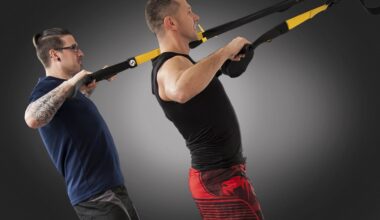

Progressive Core Training Strategies for Weightlifting Enthusiasts
Strengthening the core is essential for weightlifting, as it supports overall stability and power output. A well-conditioned core enables lifters to maintain proper form during varied exercises, from squats to deadlifts. Therefore, weightlifting enthusiasts must prioritize core stability and engagement to enhance performance and prevent injury. Core stability plays a crucial role in the transfer of force, allowing built strength to be effectively utilized. Engaging the core means activating the muscles in the abdomen and lower back, which act as a solid base for lifting. Additionally, progressive core training incorporates gradually increasing difficulty, which is key to improving strength and endurance. Starting with bodyweight exercises, such as planks, is an effective way to build initial core strength. Once comfortable, incorporating stability balls or resistance bands adds complexity and further engages the muscles. The ultimate goal is to create a robust core that significantly helps with boosting lifting capabilities. A strong core not only enhances athletic performance but also contributes to better posture and daily functional activities.
The Importance of Core Stability in Weightlifting
Core stability is vital for facilitating proper lifting mechanics. When performing weightlifting exercises, maintaining alignment and form is key, with the core acting as the primary stabilizer. It supports the spine, reduces the risk of injuries, and ensures optimal force transmission through the body. By focusing on engaging the core effectively, athletes can lift heavier while minimizing strain on other regions, particularly the lower back. Engaged core muscles maintain rigidity, which helps in controlling movement throughout each lift, whether it is an overhead press or a clean and jerk. Lunges, squats, and deadlifts place considerable strain on the lower back, so having a strong core is crucial for safeguarding against injury. Incorporating core training can lead to improved balance and coordination, enhancing the body’s ability to perform complex lifts. Furthermore, specific exercises tailored to weightlifters, like bent-over rows and overhead presses, place added emphasis on core engagement. Thus, well-rounded training should include varied core exercises to ensure balanced development and prevent weaknesses that could undermine progress.
Effective core training can be progressively structured using a variety of techniques. Bodyweight exercises, like planks, bridges, and leg raises, represent excellent starting points to establish a core foundation. After mastering these, integrating tools, such as stability balls and medicine balls, introduces instability, forcing the core to work harder. Weighted exercises like dumbbell presses can also incorporate core engagement, further maximizing training efficiency. As lifters gain confidence, they can transition into dynamic movements such as kettlebell swings or more advanced Olympic lifts that necessitate strong core activation. Not only does training progressively improve strength, but it also enhances coordination and proprioception, essential elements in the transition to heavy lifting. Structured core routines should consist of varied exercises that target different muscle groups within the core. This includes the abdominals, obliques, and lower back, creating a comprehensive strength profile. Additionally, incorporating movements that mimic weightlifting mechanics trains the body in dynamic stability. A robust core enables athletes to execute lifts properly, enhancing sport performance while ensuring a stable foundation for future physical challenges.
Dynamic Core Exercises Enhancing Stability
Dynamic exercises are particularly effective for enhancing core stability in weightlifting. Movements that incorporate balance and control challenge the core muscles in ways that static exercises cannot. Furthermore, exercises like the Turkish get-up and instability exercises, such as single-arm rows or overhead presses, create a demand on the core in real-time lifting scenarios. Incorporating varied planes of movement and different resistances is vital for developing adaptive strength. Another useful method is integrating core-stabilizing movements into traditional workouts, such as performing squats on a Bosu ball or holding a plank during an overhead press. These adaptations demand core engagement while performing typical weightlifting exercises and can maximize workout effectiveness. In time, lifters may also notice improved overall balance and agility, which translates into enhanced performance across all lifts. Additional tools, such as resistance bands during core exercises, promote functional strength, further bridging the gap between core and weightlifting activities. Lifters should develop a resource library of core dynamic exercises to routinely challenge and refine their stability, ultimately enhancing their lifting capabilities across all weight categories.
As core stability enhances lifting performance, attention should be paid to recovery. Proper recovery practices allow for muscle repair and adaptation, essential for seeing results from training. Implementing routines post-workout focused on stretching and relaxation can significantly benefit recovery phases. Techniques like foam rolling and deep tissue massages alleviate tension in the abdominal region while promoting better blood flow. Moreover, hydration and nutrition play crucial roles in supporting the recovery process. Consuming unrefined carbohydrates and proteins post-exercise replenishes energy stores while aiding muscle recovery. Core workouts should be interspersed with ample rest days to avoid overtraining. Allowing sufficient time for recovery ensures that the muscles can adapt positively and grow stronger and more resilient. Core training does not merely occur in the gym; personalized stretching and core stability techniques can be integrated into daily routines to maintain heartiness. Incorporating mindful techniques like yoga or Pilates can also aid recovery, emphasizing core strength while encouraging relaxation. Lifters should create a balance between intense core workouts and recovery strategies to optimize their training plans effectively.
Assessing Progress and Making Adjustments
Tracking progress in core training for weightlifting is essential for continuous improvement. Regularly assessing strength levels and stability is key to modifying and tailoring workout regimens. This could involve noting personal max lifts and evaluating how core stability impacts performance. Furthermore, observing any weaknesses during lifting can indicate areas where core training may need enhancement. Keeping a training journal helps in noting exercises, repetitions, and weight utilized, fostering an environment of accountability. Another metric includes timing hold durations for stability exercises like planks or side planks to monitor advancing strength and endurance. Adjustments in training can then be made based on these findings, such as increasing weight or introducing new movements. Periodic evaluations or fitness assessments conducted by professionals can provide additional insights into technique and core strength, guiding adaptations in training programs. This practice not only facilitates improvement but promotes longevity in weightlifting endeavors. Establishing clear goals, whether increasing performance or enhancing stability, is essential in the journey towards achieving one’s fitness aspirations. Engaging a coach or trainer can also aid immensely in refining techniques, ensuring optimal results.
The journey towards effective core training in weightlifting is ongoing and requires commitment. Encouraging adherence to core training regimens involves not just responsibility but also creativity in workout designs. Lifters should aim to diversify core workouts to keep motivation high and engaged. This could be manifested through rotations of different exercises, varying tools like kettlebells, and trying new techniques. Considering group classes focused on core strength can also create camaraderie, promoting a supportive training environment. Incorporating techniques such as circuit training keeps workouts dynamic while addressing core engagement efficiently. Furthermore, establishing shorter, intense workouts can be just as effective as longer sessions, catering to the schedules of busy weightlifting enthusiasts. Flexibility within training routines can enable continual engagement and must be embraced by individuals. It’s helpful to remember that consistency pays off; regular participation in dedicated core workouts significantly leads to improved lifting capabilities over time. For those new to core training, remember that gradual progress is vital. Embrace achievements, learn from challenges, and continue to refine core strategies designed to support weightlifting goals sustainably.
Conclusion: Embracing Core Training’s Role in Weightlifting
Embracing core training is fundamental for all weightlifting enthusiasts aiming to maximize performance and minimize injuries. A strong core provides a solid foundation for lifting, enhancing stability, strength, and balance. As lifters progress through various core exercises, it’s essential to maintain focus on technique and form, ensuring efficiency and reducing the likelihood of injury. Lifters should also remain open to new exercises and training adjustments based on individual strengths and goals. This adaptability makes sessions more pleasurable and productive. Furthermore, integrating core work into a regular routine fosters perseverance and commitment, both crucial for long-term success in weightlifting. Developing a well-rounded core routine will offer benefits that transcend the lifting platform and improve daily functional tasks. Whether through dynamic exercises, recovery routines, or assessments, training the core remains an integral aspect of athletic performance. By prioritizing these methods, lifters can achieve lasting results. Ultimately, fostering a robust and engaged core supports not only lifting endeavors but also a sustained fitness lifestyle. As weightlifting enthusiasts commit to ongoing growth, they are better positioned for lifting achievements and overall physical wellness.