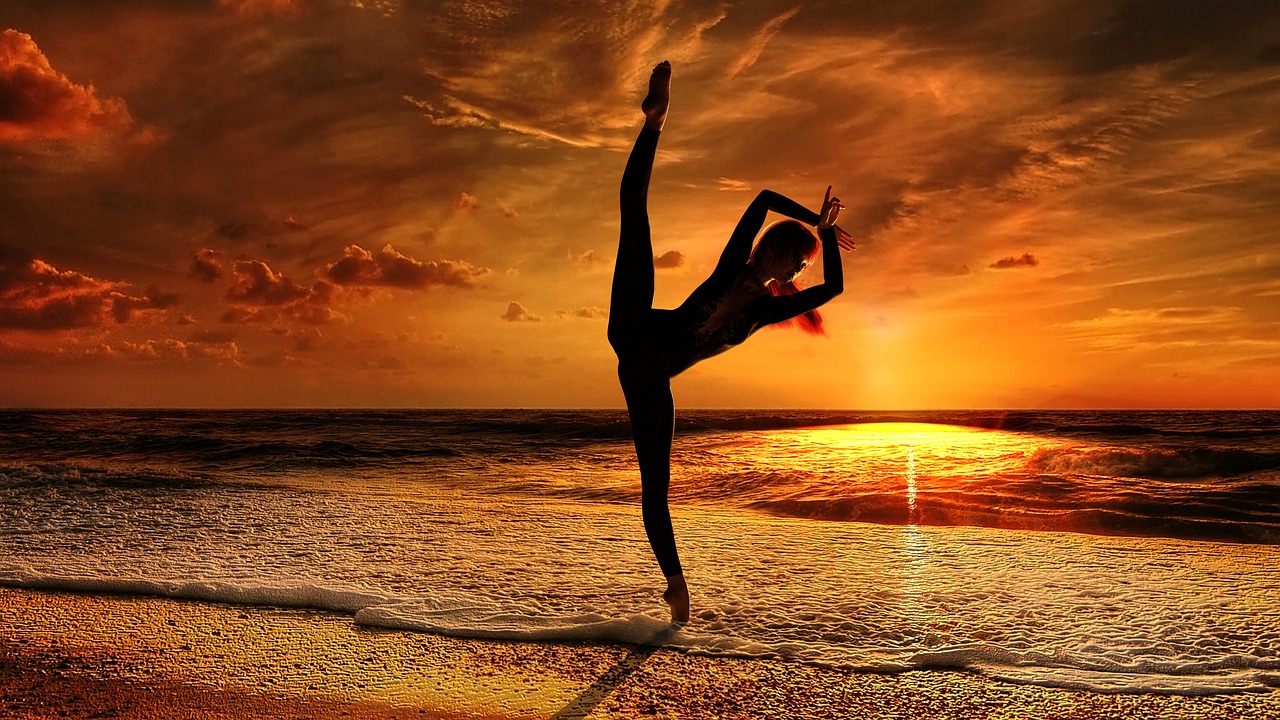

Measuring Progress in Balance and Coordination Training
In the dynamic field of physical training, measuring progress in balance and coordination is vital. Accurate evaluation assists trainers in determining the effectiveness of their methods. A strategic approach ensures that individuals achieve their personal goals in balance and coordination. Common techniques include using performance metrics, which involve analyzing specific tasks dedicated to balance improvement. For instance, conducting timed balance tests allows for quantifiable data collection. Furthermore, incorporating feedback loops enhances training. An effective feedforward from trainers contributes to refining the training process. Various games and challenges are also useful as they engage individuals while stimulating movement skills. Tracking progress through consistency in training is crucial; adherence to a well-structured schedule provides clearer understanding of advancement levels. Additional methods include using video analysis for review. Proper documentation of performance over time helps trainers adjust routines and identifies areas needing focuses. Furthermore, promoting a comprehensive understanding of physical and mental components impacting balance can greatly enhance overall effectiveness. Documentation should be readily accessible, as it serves to motivate individuals toward continuous improvement and achievements in balance and coordination rehabilitation or enhancement goals. This organized approach fosters better physical outcomes for all athletes and enthusiasts.
Importance of Specific Balance Challenges
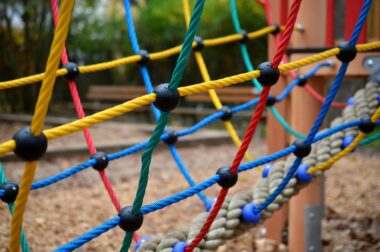
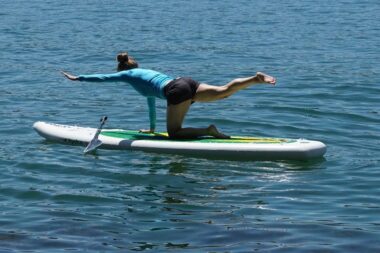
Engaging in specific balance challenges allows individuals to understand their unique capabilities and limits. Activities designed to improve balance can vary from standing on one leg to navigating obstacle courses. The diversity of exercises promotes not only physical skills but also cognitive engagement. Enhancing coordination abilities directly affects daily activities, contributing to improved quality of life. Evaluating individual progress through these challenges creates personalized regimens suited to meet diverse needs. For example, yoga poses require a strong balance foundation and contribute significantly to developing coordination. In these activities, precision and control are paramount, which further develops muscle memory and awareness of body mechanics. Incorporating fun games into practices can elevate participant motivation, making the process enjoyable. Examples include balance beam games, hopscotch variations, or using balance boards. All such activities help build teamwork and foster relationships. Assessment of performance should occur regularly through friendly competitions or measurement drills. Documenting wins or improvements during these games directly impacts motivation and can help inform trainers about what methods work best. The focus on improvisation and creativity enhances overall participants’ experience while embodying the spirit of engaging in active lifestyle choices and lifelong learning.
Setting measurable goals in coordination training is essential. Goals help individuals stay focused and motivated, which reinforces commitment to their balance and coordination journey. These goals should reflect personal ambitions while being realistic and incremental. Using the SMART criteria can facilitate developing effective goals for participants, encompassing specificity, measurable aspects, attainable steps, relevance, and time-bound achievements. A workbook or app can be useful tools in tracking these progressions. Time factors play an important role; scheduled assessments allow participants to see quantifiable growth over determined intervals. Revisiting these goals regularly ensures they stay relevant and up-to-date according to evolving individuals’ capabilities. Additionally, goal visualization can greatly enhance motivation. Regularly refreshing one’s progress pull focus back to accomplishments and improvements made. Incorporation of external motivators like trainers or workout partners enhances accountability. This partnership provides a support system fostering an environment conducive to greater achievement. This synergy not only helps uphold a commitment but also enriches the training experience. Furthermore, working toward shared goals or embarking on challenges together can deepen relationships while boosting overall performance levels. Participants often express increased satisfaction as their abilities evolve, thus embodying persistent effort and reward for time invested in training.
Utilizing Technology for Data Tracking
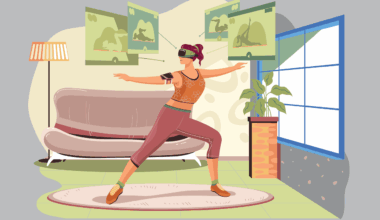
In the current age of advanced technology, employing tools for progress tracking is incredibly efficient. Various applications are available to assist individuals and trainers in monitoring balance and coordination training outcomes. For instance, wearable devices can provide real-time data, making it superior for tracking physiological metrics like heart rate, steps, and movements. Integrating technology can create a more engaging training environment by presenting data in digestible formats, offering insights quickly. Video analysis can enhance training by providing visual feedback for self-evaluation. Not only does it showcase improvements, but it offloads information in a manner storeable for archives. Analyzing motion patterns can reveal areas in need of refinement, particularly in sports training focused on coordination and agility. Utilizing various apps can lead to better adherence to training protocols, showcasing weekly or monthly performance reports. Tracking progress on platforms that allow sharing across social media can integrate an inspiring community aspect via social interactions. Thus, athletes and individuals create shared experiences, enabling collaborative learning and encouragement while someone else shares triumphs as part of this journey. Technology ultimately enriches the learning process by equipping trainers and participants with knowledge bases rooted in measurable outcomes.
The role of feedback in measuring progress cannot be overstated. Consistent feedback not only enhances understanding of current performance but also identifies areas of improvement. Gathering input from trainers allows participants to comprehend their capabilities fully. Furthermore, peer feedback can reinforce motivation and strengthen community bonds, particularly in group settings. Elements like consistency and frequency of feedback delivery impact training effectiveness, where timely insights keep individuals engaged. Constructive criticism, administered in a supportive tone, aids in fostering a positive experience during training. Practical feedback methods include verbal cues, demonstration corrections, or guided reflections. Instilling an open-minded approach toward feedback builds respect and cultivates trust between trainers and participants. Sessions should also integrate moments for reflection on the experiences shared, promoting mental growth alongside physical improvements. Engaging in casual discussions about progress strengthens connections and fosters collaboration. Goal assessment through feedback loops encourages accountability, facilitating an environment rich in personal exploration. In structuring these discussions, trainers may create discussion points highlighting areas of success and specifying targets for future progress. Open, positive dialogue regarding challenges ensures a friendly atmosphere protective of participants’ development while steadily inviting them to strive for personal excellence.
Building a Supportive Environment
A supportive atmosphere encourages growth in balance and coordination training efforts. Cultivating a community where participants feel valued and heard inspires them to pursue goals with enthusiasm. Structured group training sessions can nurture camaraderie among individuals, facilitating interpersonal connections. Scheduling Team-building exercises, like group fitness challenges or collective goal-setting workshops, enhances these relationships. Another aspect of this environment involves encouragement from trainers and peers alike. Sharing successes and setbacks equally cultivates a culture of understanding and mutual respect, wherein everyone contributes towards others’ achievements. This unified support fosters resilience as each person journeys through individual balance challenges, creating a microcosm of shared effort. Moreover, tailoring posture-related workspaces can help enhance environmental conditioning systematically year-round. This helps participants hone in on movement mechanics, rendering more effective outcomes during training sessions. Establishing guidelines for community interaction can further enhance the supportive atmosphere. Encouraging uplifting comments and reinforcing positive peer influences plays a vital role in creating a fulfilling environment. Regular social events or workshops facilitate opportunities for those individuals to connect while sharing valuable insights regarding balance and coordination training strategies with each other. This unity sets the stage for continuous progress as individuals collectively pursue betterment.
Reflection on progress is fundamental in maintaining motivation and engagement over time. Encouraging participants to journal their experiences enhances self-awareness and mindfulness regarding their practice. Reflective exercises enable individuals to analyze various aspects of their training, including challenges faced, achievements recognized, and personal barriers. Having a structured reflection period within training sessions provides noticeable time for insights to take hold effectively. Moreover, incorporating benchmarks during reflective practices highlights crucial milestones achieved along the way. Successful completion of challenges, for instance, indicates enhancements in balance skills, affirming the training protocols followed. Spotlighting evolution over time fosters a sense of pride while helping participants recognize their dedication to improvement. Boosting self-efficacy through such practices increases motivation. Collaboration with trainers during reflective exercises allows for strategic planning for the next stages of development, ensuring continuous and seamlessly flowing growth. Placing emphasis on personal journeys contributes positively to psychological reinforcement while advocating for transparency. Moreover, participants may form self-supporting networks as they share and celebrate each other’s journeys. Together, they can journey through the ups and downs, promoting a culture where reflecting upon progress becomes an essential training element critical to skills advancement.
Conclusion and Future Directions
In conclusion, the systematic measuring of progress in balance and coordination training lays the foundation for greater successes. Implementing structured goals, utilizing technology, and building supportive environments creates a comprehensive framework for everyone involved. Continuous iterations on methods in assessing performance ensure that training remains relevant and sufficiently challenging. Innovative approaches in balance challenges promote engagement while simultaneously enhancing physical abilities, maintaining interest among participants. Furthermore, attention to mental components of training enriches the experience, deepening connections between body and mind. Emphasizing regular reflection provides avenues for growth, encouraging commitment and delight in personal exploration. It is also crucial to maintain awareness of evolving trends, ensuring that advancements in the physical training field integrate with best practices. Through collaboration, ongoing learning, and leveraging new ideas, trainers can adopt cutting-edge techniques to maximize outcomes. This ensures that the training process remains dynamic and rewarding. Future directions should prioritize inclusivity as well, expanding opportunities for diverse participants navigating their unique balance journeys. Ultimately, as progress continues to be measured carefully and mindfully, communities grow stronger, and individuals flourish, revealing their full potential in balance and coordination mastery.