
How to Avoid Common Triathlon Injuries
Triathlons are a physically demanding sport that combines swimming, cycling, and running. As with any intensive activity, injuries can occur without proper precautions. To minimize the risk of injury, it’s vital to understand the common pitfalls that many triathletes face. Establishing a solid training routine is one of the first steps towards injury prevention. Ensure you gradually increase your training intensity and duration over time to allow your body to adapt. Hydration is another crucial aspect; insufficient fluid intake can lead to cramping and fatigue. Additionally, ensuring that your equipment, such as bikes and running shoes, is in good condition is essential. This includes regular checks for wear and tear. Muscles must be properly conditioned through strength training and flexibility workouts. Incorporating rest days into your weekly plan allows your body to recover adequately from strenuous activities. You may also want to consider working with a coach who can guide your training effectively and safely. By recognizing these factors early on, you can enjoy your training while also safeguarding against potential injuries that could sideline your progress in this challenging sport.
Many injuries in triathlon often stem from overuse. These injuries can include tendonitis, stress fractures, and muscle strains, which can be debilitating. To avoid these aches and pains, consider varying your training routine. Including a mix of swimming, cycling, and running not only helps build endurance but also minimizes the risk of overworking specific muscle groups. Moreover, proper pacing is critical during all training sessions and competitive events. It’s important to listen to your body and avoid pushing through pain, as this can exacerbate a minor issue into a severe injury. Remember to incorporate recovery techniques such as stretching, foam rolling, and ice baths to enhance muscle recovery. Maintaining a balanced diet rich in vitamins and minerals can also play a significant role in injury prevention. Foods high in antioxidants can help reduce inflammation caused by intense training. Lastly, consult a physical therapist if you notice persistent pain or discomfort. They can provide tailored exercises and treatments that can effectively address any weakness or imbalance. Prioritizing these smart training practices will allow you to stay focused and healthy throughout your triathlon journey.
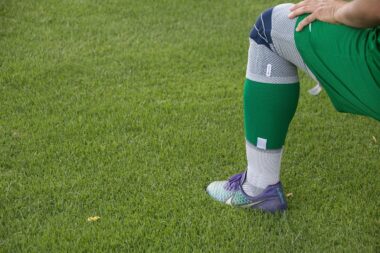
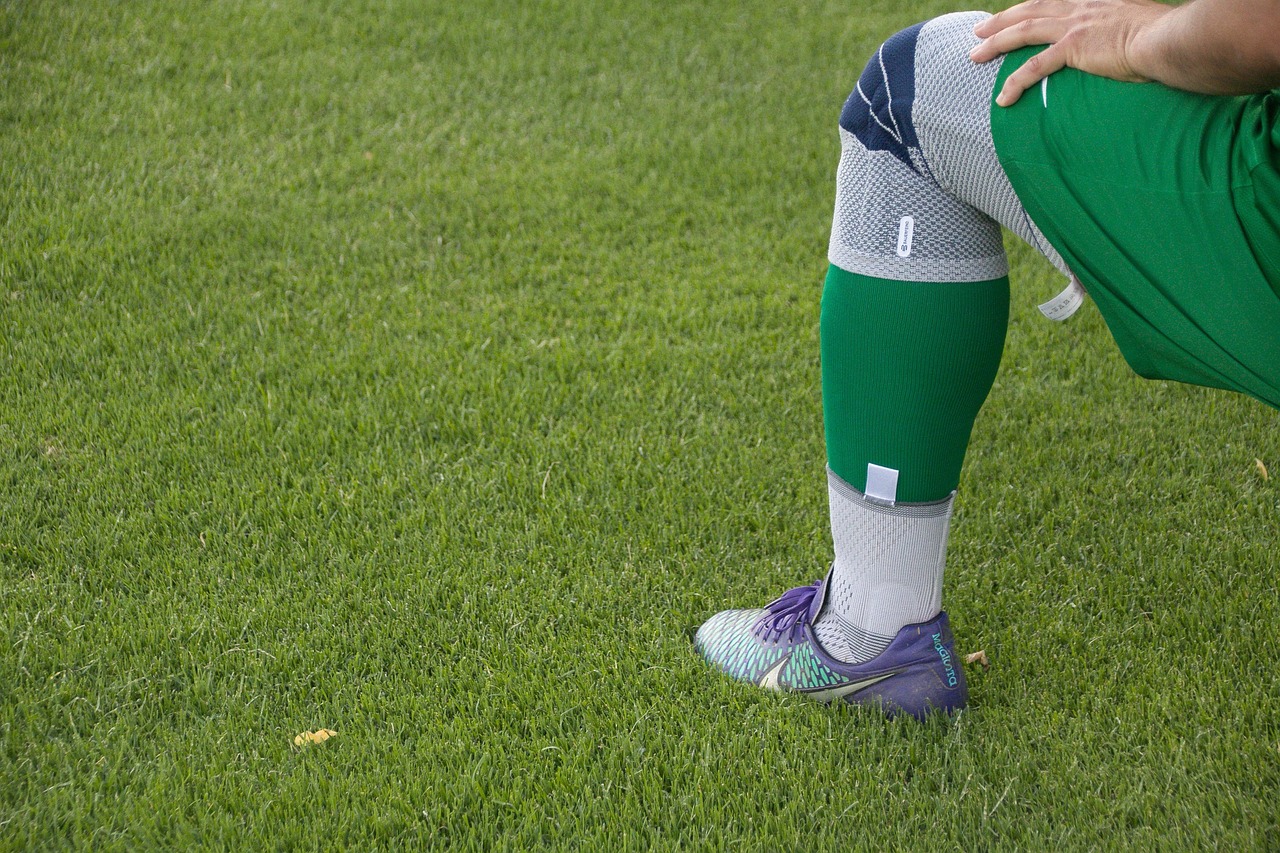
Another crucial aspect of preventing triathlon injuries is proper footwear selection, particularly for runners. Shoes that provide adequate support and fit well can significantly impact performance and safety. It might also be beneficial to seek advice from a shoe specialist who can analyze your gait and recommend the best shoes for your specific needs. Additionally, consider replacing your running shoes regularly, as worn-out shoes lose their cushioning and stability. Bear in mind that form is equally important; running with improper technique can lead to injury. Practicing proper running mechanics can include focusing on posture and foot strike. Balance exercises and strength training can add stability and strength, reducing injury recurrence. Swimming, being low-impact, offers excellent cardiovascular benefits without the stress placed on muscles and joints during running and cycling. However, even in swimming, one must pay attention to stroke mechanics to prevent shoulder injuries. Engaging in cross-training can help maintain overall fitness without over-stressing specific muscles. Engaging with online resources and triathlon communities can provide additional support and recommendations to improve your injury prevention strategies.
The Importance of Warm-Up and Cool Down
Equally important to avoid injury is the practice of warming up and cooling down effectively. A good warm-up routine prepares your muscles for the demands of training and competitions by gradually increasing your heart rate and blood flow. Dynamic stretches are particularly effective; they help to increase flexibility and readiness without increasing the risk of strains. Examples include leg swings, arm circles, and skipping. On the other hand, cooling down after a strenuous workout can help your body transition back to a resting state. This does not just involve stopping abruptly; instead, engage in gentle movements followed by static stretching of major muscle groups. This routine aids recovery, increases blood circulation, and flushes out metabolic waste products. An appropriate cool-down can also alleviate muscle soreness. Creating these warm-up and cool-down rituals will establish a well-rounded training approach and significantly reduce the likelihood of injuries. Consistency in these practices ensures your body remains resilient and adaptable against the physical demands of triathlon training.
Another effective method of injury prevention is practicing mindfulness and body awareness during training. This involves being in tune with your body’s signals and responding proactively to any discomfort or emerging injury. Keeping a training journal may help you track your progress, but it can also reveal patterns that precede injuries, allowing for adjustments in your regimen. While the excitement of pushing limits is common among triathletes, it is crucial to balance intensity with prudence. Emphasizing recovery techniques and nutrition during your training cycle further enhances your body’s resilience. Massages, physiotherapy, or yoga can provide both mental and physical benefits, helping you perform at your peak while also minimizing injury risks. Engaging with a community of fellow triathletes can also offer invaluable support; sharing tips and experiences can lead to better awareness of injury signs and management. Additionally, many elite triathletes often collaborate with sports therapists and medical professionals to establish comprehensive programs directed at injury management before they occur. Thus, community support coupled with professional advice creates a solid foundation for preventing injuries and achieving your triathlon goals.
Another significant factor to consider when attempting to avoid injuries is paying attention to the training environment. Ensure that the roads or trails you frequently train on are safe and well-maintained. Uneven surfaces can be hazardous, causing ankle sprains or falls. When cycling, always wear appropriate safety gear, including helmets and reflective clothing to enhance visibility. Weather conditions also play a role in safety; avoid running or cycling in extreme heat or cold without taking necessary precautions. Knowledge about the best practices for hydration and electrolytes during different weather conditions is key to your performance and health. Furthermore, engaging with local triathlon clubs can provide you with access to safer training routes and additional resources. Look for organized training groups that emphasize safety as a priority. Emphasizing these environmental factors not only contributes to injury prevention but enhances your overall training experience. Making informed decisions about where and how you train creates a robust and supportive training landscape to flourish as a triathlete.
Conclusion
In conclusion, preventing injuries in triathlon training is both an art and a science. Implementation of the strategies mentioned above can contribute significantly to a well-conditioned body ready for the challenges of triathlon competition. Remember that patience is key; prioritize gradual progression instead of chasing the fastest times. By building a well-structured training regimen involving cross-training, appropriate warm-ups, body awareness, and environmental considerations, you can set yourself up for a successful journey in triathlons. Always take the time to recover, maintain proper nutrition, and stay connected to the triathlon community for support and engagement. With consistent attention and care towards these preventive measures, you will not only develop your physical capabilities but also ensure a positive training journey. Ultimately, you’ll enjoy the thrill of competition without worrying about the debilitating effects of injuries on your performance. Embrace these practices and continue to chase your triathlon goals confidently and enthusiastically.
By exploring the outlined strategies for avoiding common triathlon injuries, you arm yourself with knowledge that fosters a healthier and more resilient triathlon career. Your path toward mastering this diverse sport will be smoother when you commit to injury prevention. Regular review of your training habits allows for important adjustments based on how your body responds. Continuous learning and adaptation are crucial elements in your long-term success as a triathlete. Celebrate your achievements while also understanding the significance of listening to your body, prioritizing recovery, and integrating supportive practices into your training regime. This holistic approach will not only keep you strong but also allow you to experience the joys and challenges of triathlons fully. Therefore, as you prepare for your next race or training session, remember that a proactive stance on injury prevention can lead to improved performance and a more enjoyable experience overall. By making informed decisions around your training, you empower yourself to achieve your goals in triathlon while keeping injuries at bay.