
How Technology is Personalizing Fitness for Individuals with Mental Disorders
The integration of technology and wearables into fitness routines is redefining how individuals with mental disorders can achieve wellness. Personalized fitness plans driven by technology address unique challenges faced by this population. By using apps and wearables, users can track their emotional states and manage symptoms more effectively. These devices provide real-time feedback, allowing for immediate adjustments to workouts based on mood and mental health status. The rise of fitness platforms offers various programs tailored specifically for individuals dealing with anxiety and depression. These programs often include guided meditation, yoga, and bespoke exercise regimes that align with the user’s emotional needs. Moreover, engaging in regular physical activities is known to release endorphins, positively impacting mental wellbeing. It is crucial to highlight that technology can foster a sense of community among those experiencing similar struggles. Features allowing users to join group workouts or share progress enhance motivation and accountability. As the fitness technology landscape continuously evolves, the prospect of AI-driven personal trainers and seamlessly integrated health-monitoring devices holds great potential for transforming mental health treatment through tailored fitness solutions. Through innovation, technology is making fitness more accessible and supportive for everyone.
The Role of Wearables in Mental Health Tracking
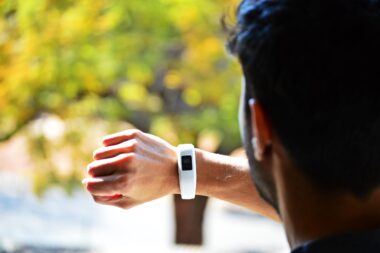
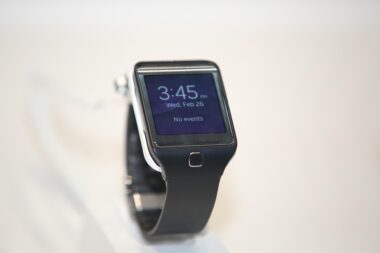
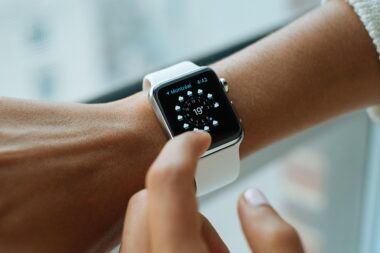
Wearable technology plays a pivotal role in monitoring mental health by providing users with insights into their daily patterns. These devices track metrics like heart rate variability, sleep quality, and physical activity, offering users valuable information about their overall wellbeing. By analyzing these trends, individuals can identify potential triggers for mental health changes, allowing for proactive management of their conditions. For instance, if a user notices increased stress levels correlating with decreased physical activity, they can modify their fitness routine accordingly. Several wearables come equipped with personalized reminders to encourage users to move, breathe, or engage in mindfulness exercises to improve mental clarity. The data collected by devices can also be shared with mental health professionals, facilitating informed discussions and collaborative approaches to treatment. Integration with apps allows users to set goals based on their mental health objectives, enhancing the sense of achievement when these are met. Furthermore, wearables often include features that promote social sharing, such as challenges and competitions, which can boost motivation through community engagement. Ultimately, these advancements in wearable technology significantly enhance user empowerment and facilitate more effective mental health management.
Fitness apps designed for mental health provide personalized experiences to cater to specific user needs. These platforms typically integrate various features like guided workouts and mental wellness resources. They encourage users to engage in fitness routines while simultaneously focusing on their mental health. Through personalized content, users can experience tailored motivations, achieving better outcomes. These applications often utilize algorithms to suggest exercises based on user preferences, mood, or physical condition. Consequently, individuals dealing with mental disorders can find specific workouts that resonate with them. Regular updates and feedback mechanisms keep users informed, allowing them to adjust their fitness regimens as necessary. Additionally, many fitness apps include community forums and social features, enhancing connectivity among users. This fosters an environment of support and encouragement, crucial for maintaining motivation. Moreover, users have access to meditation and relaxation techniques embedded within these apps, making mindfulness practices readily available. Features such as progress tracking, goal setting, and reminders assist individuals in establishing routines. The seamless integration of technology in fitness apps ultimately empowers users, ensuring they feel supported in their journeys towards improved mental health and overall wellness.
Combining Fitness with Therapeutic Approaches
Combining fitness with therapeutic approaches can lead to a holistic method of addressing mental health disorders. Many fitness programs now incorporate elements of psychotherapy, facilitating an integrated approach that focuses on both physical and mental well-being. For example, fitness classes led by trained professionals may include techniques from cognitive-behavioral therapy (CBT), helping participants develop coping strategies while exercising. These combined techniques encourage emotional learning through physical movement, fostering long-term habits that enhance both mental and physical health. Engaging in group fitness classes can increase social interaction, an essential element in combating loneliness and isolation often experienced by those with mental health issues. Such experiences often lead to lasting connections and friendships that contribute positively to mental wellness. Additionally, outdoor fitness activities promote exposure to nature, which research shows can improve mood and decrease stress and anxiety levels. Fitness challenges that involve team dynamics help build a sense of belonging among participants. Consequently, fitness that incorporates therapeutic elements holds the potential to not only enhance physical health but also pave the way for emotional growth and resilience among individuals facing mental health challenges.
Digital communities provide an invaluable support system for individuals with mental disorders involved in fitness activities. These online platforms create spaces where users can share experiences, celebrate achievements, and seek encouragement from peers facing similar struggles. Engaging with others in these communities can reduce feelings of isolation that may accompany mental health issues. Users can access advice from experts, including fitness trainers and mental health professionals, offering a well-rounded support network. Regular virtual meet-ups, workshops, and group challenges help foster an ongoing sense of camaraderie and motivation. Additionally, many platforms allow users to track personal progress, sharing milestones within the community. Such transparency fosters accountability, ultimately encouraging consistency in fitness routines. Furthermore, the ability to provide and receive feedback enhances personal growth, enabling individuals to learn from one another’s journeys. Many fitness apps facilitate private messaging or forums where users can seek assistance regarding challenges or setbacks. These supportive environments often prove transformative, demonstrating the importance of community in the recovery process. As technology progresses, digital community engagement will continue to play a crucial role in normalizing mental health discussions and promoting healthy lifestyles.
The Future of Technology in Mental Health Fitness
The future of technology in fitness for mental disorders holds significant promise as advancements continue to unfold. Innovative applications of artificial intelligence (AI) and machine learning are emerging, leading to smarter solutions for personalized fitness experiences. AI could analyze extensive datasets, providing insights tailored to an individual’s mental health journey. This could result in adaptive fitness programs that adjust based on real-time feedback, enhancing the efficacy of routines. Future wearables may also incorporate advanced features for detecting emotional states, offering interventions based on mood fluctuations. Similar technology could potentially alert caregivers or mental health providers if concerning patterns arise, allowing for timely support. Virtual reality (VR) is another exciting frontier, offering immersive fitness experiences that can soothe anxiety or depression. Such technology can simulate environments for meditation, promoting relaxation effectively. Furthermore, gamified fitness applications are likely to gain popularity, engaging users through elements of fun and competition. Overall, as technology evolves, the possibilities for enhancing mental health through fitness seem limitless. With these innovations, individuals facing mental disorders will find increased support, encouragement, and resources in their journeys towards holistic health and wellness.
The integration of technology in fitness for mental health epitomizes a crucial shift in how individuals address their well-being. Personalized fitness solutions driven by technological advancements empower users to monitor their progress while catering to their unique mental health requirements. By leveraging the vast resources available, individuals can construct tailored fitness journeys that address their specific challenges and foster resilience. The convenience of mobile devices and wearables means that support is always within reach, guiding users through workouts and mindfulness practices, ultimately reinforcing their mental fortitude. The focus on community-driven support further enhances the effectiveness of personalized fitness routines, helping users feel less isolated in their struggles. As more data supporting the connection between physical activity and mental health emerges, it is clear that this synergy will play a significant role in therapeutic approaches. Furthermore, the continuous evolution of technology reinforces the need for mental health professionals to stay informed about effective fitness strategies. With the combined efforts of fitness enthusiasts, mental health advocates, and technologists, the future of mental health fitness is bright, promising to improve lives and deliver transformative results significantly.