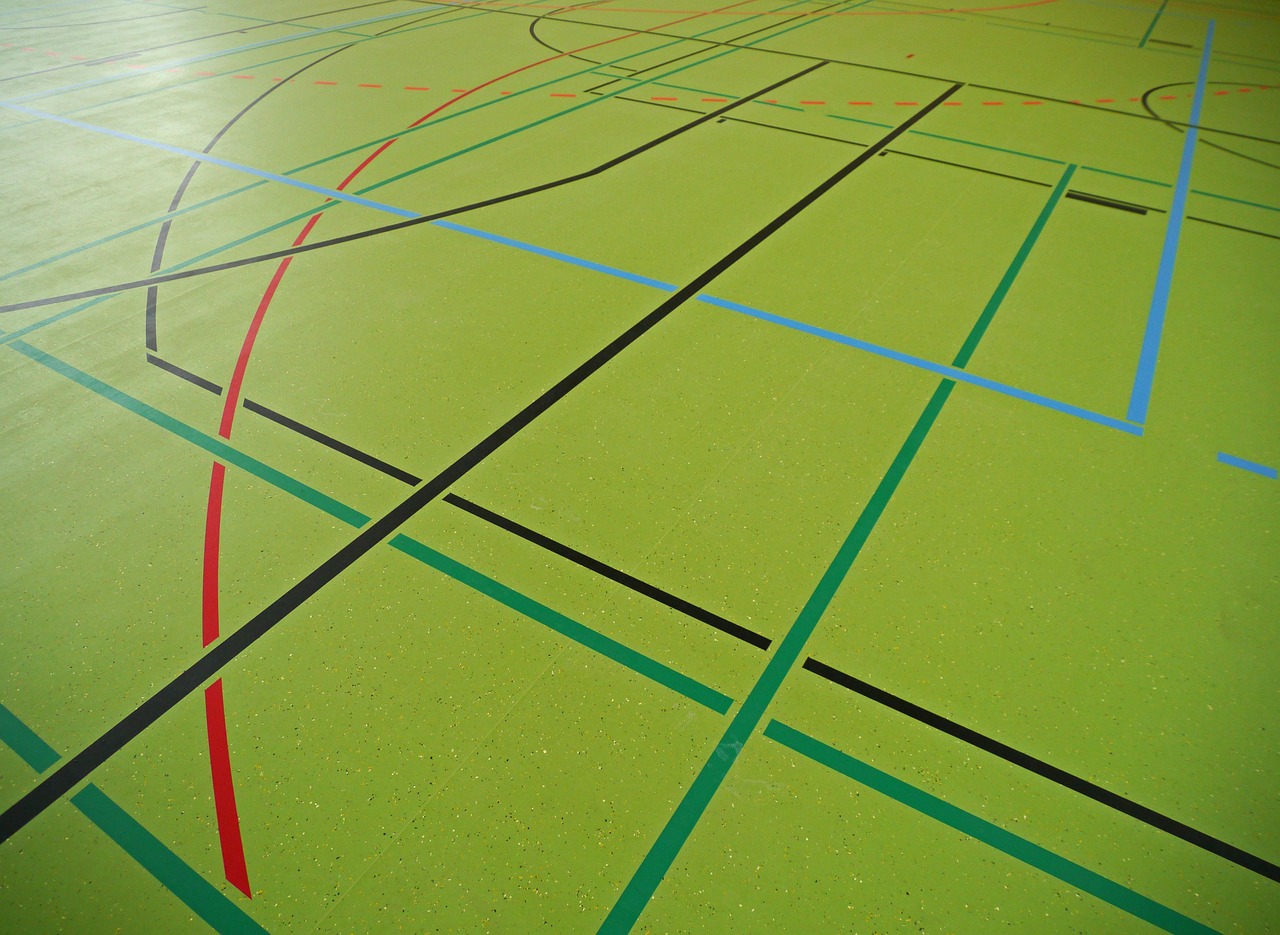

Gym Flooring Myths Debunked
When it comes to gym flooring, several myths can mislead potential buyers into making poor decisions. One common misconception is that all flooring types are suitable for every type of workout. While any surface may seem functional, not all materials provide the necessary support and durability. For example, rubber flooring is favored for its strength and resilience, making it ideal for heavy weights and cardio equipment. The idea that cheaper options are as effective as branded ones is another myth; investing in quality flooring prevents wear and contributes to safety. Another misconception is that all gym floors are slippery. In reality, many brands design surfaces specifically to provide traction during workouts. Additionally, the notion that gym flooring requires minimal maintenance can lead to deteriorating conditions over time. Regular cleaning and upkeep prolongs the life of the material and ensures a safe training environment. If you’re considering flooring for your gym, it’s essential to research different types, such as interlocking tiles or rolled rubber, to find the right fit for your unique needs and usage patterns.
Understanding Material Choices
The choice of material plays a crucial role in the effectiveness of gym flooring, and several myths cloud this decision process. A common belief is that carpet tiles can serve as an adequate gym floor, which is misleading. Unlike hard floors, carpet absorbs moisture and can harbor bacteria, making it an unsanitary option. Many assume that vinyl flooring can withstand heavy weights as well, but in reality, it lacks the necessary elasticity and support found in rubber. On the other hand, rubber flooring is often considered too harsh by some. However, this flooring is engineered to absorb impacts, providing the perfect cushioning necessary for high-impact workouts. There is also a misconception that thicker mats offer better support; the quality of the material and its density matter more than sheer thickness. It’s essential to balance durability and comfort in flooring for a functional space, allowing users to perform exercises safely and effectively. Proper selection of flooring can transform a gym into an inviting and efficient workout space, enhancing both performance and safety.
Another myth surrounding gym flooring is the perception that foam mats are suitable for all workouts. While foam offers excellent cushioning, it does not provide the stability required for heavy lifting or rigorous high-impact training. Using foam can lead to injuries due to its instability underfoot, which is particularly risky during activities such as squats or deadlifts. Many believe that gym flooring is a one-time investment. However, similar to other gym equipment, flooring requires updates or replacements over time, especially in high-traffic areas. This belief results in overlooking wear and tear, which can compromise safety. Additionally, some users think that gym flooring does not contribute to aesthetics. In reality, quality flooring can enhance the overall look of a gym. Premium brands offer various colors and textures that can improve the environment, setting the right mood for workouts. By debunking such myths, gym owners can make informed decisions, ensuring their facilities meet both practical and aesthetic needs, ultimately resulting in a better workout experience for all clients.
Safety Considerations
Safety is paramount in any gym setting, and myths regarding flooring can lead to hazardous situations. One prevalent myth is that all gym floors are designed to absorb shock equally. In truth, this varies significantly between different materials. High-density rubber flooring, for example, is specifically designed to absorb impacts effectively, while cheaper alternatives may not offer such protection. Many gym users assume that simply covering the ground with mats will suffice for protection against injuries, which is a false belief. Proper installation and maintenance also significantly contribute to the safety of the gym environment. Regular checks for wear and damage can help prevent potential slip hazards. Furthermore, a common belief is that gym flooring should be uniform in texture and color. This can be misleading since different workout zones might require different flooring for optimal safety. Mixing up textures and colors can help delineate areas for various functions, informing users of designated zones. Addressing safety considerations through informed choices in flooring materials helps create a secure and appealing workout environment.
In the quest for creating the perfect workout environment, budget constraints often lead to poor choices in flooring selection. A prevalent myth is that investing less now will save money in the long run. However, this often leads to higher maintenance costs and potential injuries, which can significantly outweigh initial savings. Another misconception involves the ease of installation for various flooring types; many believe DIY options are viable for all types. In reality, professional installation is crucial for ensuring longevity and safety. Properly installed flooring helps prevent issues like curling or separation at seams, which aids safety during workouts. Additionally, many gym owners mistakenly believe that all flooring options are low maintenance. Each type of flooring has its own cleaning and care requirements. Ignoring the specific needs can shorten the lifespan of the material. This means adhering to recommended cleaning products and schedules is critical. By understanding these myths surrounding budgeting for gym flooring, owners can avoid common mistakes that lead to frustration and potentially unsafe conditions for gym-goers.
Environmental Considerations
In today’s eco-conscious society, environmental considerations regarding gym flooring have become increasingly relevant. One myth is that only natural materials can be sustainable, which overlooks the significant advancements in synthetic flooring technology. Many rubber flooring options are made from recycled materials, making them an environmentally responsible choice. Additionally, there is a misconception that eco-friendly flooring is always more expensive, which can deter gym owners from exploring these options. In reality, many sustainable products compete with traditional materials in pricing. Furthermore, some believe that sustainable flooring sacrifices aesthetics or performance, but many modern solutions effectively combine beauty and functionality. Promoting eco-friendly gym flooring not only protects the environment but also attracts a growing demographic of health-conscious consumers. Educating clients about sustainability can lead to increased loyalty and better engagement with green initiatives. When considering gym flooring, it’s essential to weigh both environmental impacts and performance features to ensure that the choices made create a long-lasting, effective workout environment without compromising moral responsibilities.
Overall, addressing and dismantling these gym flooring myths is crucial for making informed decisions. A well-informed buyer can avoid the pitfalls associated with widespread misconceptions, transforming their gym into a safer, more efficient, and aesthetically pleasing space. This discussion emphasizes the importance of researching materials, maintenance needs, and long-term durability. Each myth distracts from the essential goal: creating a safe and effective workout environment for diverse clientele. As the fitness industry continues to evolve, gym owners and managers must stay informed about the latest trends and technologies in flooring options. Incorporating new research, best practices, and feedback will inevitably lead to better choices for both entities and clients. By focusing on quality, safety, and environmental impact, gym facilities can provide an unparalleled workout experience. Engage with knowledgeable suppliers, consult professionals, and keep abreast of industry standards to ensure success in selecting suitable gym flooring. The combined effort will bring about a positive change in the fitness landscape and dismantle unfounded beliefs regarding gym flooring.