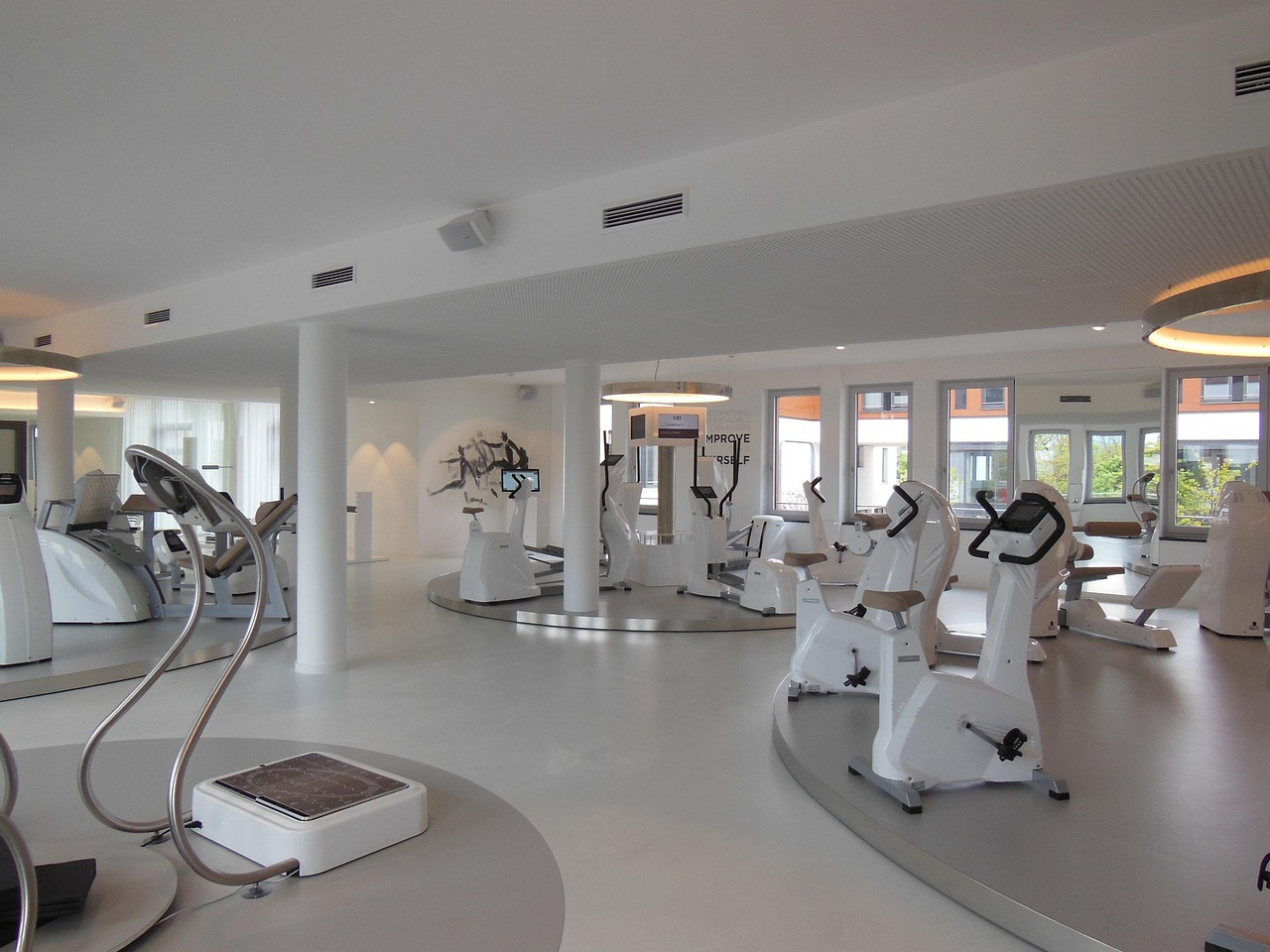

Dynamic Circuit Training to Boost Endurance
Dynamic circuit training can significantly enhance your endurance levels. This method combines multiple exercises performed in rapid succession with minimal rest. It caters not just to athletes but everyone wanting improved stamina. Ideally, you should select exercises targeting various muscle groups, maximizing efficiency. For instance, squats, push-ups, and lunges are fantastic starting points. When performing circuits, maintaining proper form is crucial. Poor form can lead to injury and hamper your progress. Incorporate movements that elevate your heart rate, such as burpees and mountain climbers. You should aim for at least three sets, each consisting of five to ten exercises. This routine helps create an aerobic foundation critical for endurance. Tracking your progress is vital, helping you adjust intensity levels as necessary. Additionally, consider varying your circuits weekly to prevent monotony and promote continued improvement. Combining these circuits with cross-training, such as cycling or swimming, can also enhance your endurance. Overall, discipline, consistency, and proper nutrition play huge roles in reaping benefits from your training regimen.
Benefits of Dynamic Circuit Training
Participating in dynamic circuit training offers numerous benefits that cater to various fitness levels. For starters, you can develop a well-rounded body, enhancing strength, flexibility, and cardiovascular health. Studies show that integrating short, intense bursts of exercise improves fitness levels more than traditional steady-state cardio. Circuit training helps boost your metabolic rate, leading to additional calories burned post-workout. Furthermore, it fosters muscle endurance by putting your body through diverse challenges within the session. You’ll find that this variety keeps workouts engaging and stimulating, thus preventing boredom. Additionally, this format encourages commitment and engagement, as you can track improvements in performance over time. Including different functional movements helps in real-life applications, empowering you to carry over those skills into daily tasks. Moreover, group circuits provide social interaction, enhancing motivation levels significantly. If you’re short on time, dynamic circuits can be a time-effective way to maximize workout efficiency. As a result, you can achieve your fitness goals in a more structured fashion, promoting healthier lifestyle habits and ensuring long-term commitment to fitness.
Essential Tips for Circuit Training
Beginning your journey with dynamic circuit training requires some practical tips to maximize benefits. Always warm up adequately before starting. A proper warm-up prevents injuries and prepares your body for the workout ahead. You might consider dynamic stretches like leg swings and arm circles to increase flexibility. During circuits, prioritize form over speed; quality repetitions yield better results than rushing through each exercise. Keep your heart rate elevated; aim for 70 to 85 percent of your maximum heart rate. Regularly hydrate throughout your workout, as water is essential for performance and recovery. Modify exercises based on personal fitness levels; do not hesitate to perform knee push-ups or lower squats if necessary. Ensure a rest period between sets; this allows your muscles to recover adequately. Also, focus on breathing; exhaling on exertion can help improve performance. Record your workouts for analysis; tracking progress enables you to identify areas needing improvement. Lastly, remember that variety is key; switch up your circuits periodically, introducing new exercises to challenge different muscle groups constantly.
The role of nutrition should not be overlooked in conjunction with your dynamic circuit training. Fueling your body with the right nutrients enhances performance and recovery significantly. Emphasize macronutrients such as proteins, carbohydrates, and healthy fats in your daily diet. Consuming protein assists in muscle repair after strenuous workouts, while carbs provide energy necessary for endurance training. Include lean meats, fish, legumes, and whole grains for balanced meals. Before your workouts, a light snack can be beneficial; options like bananas and whole-grain toast provide quick energy. Post-workout nutrition is equally crucial; aim for a meal rich in protein within 30 minutes of completing your session. Staying hydrated before, during, and after workouts aids in performance and recovery. Electrolyte-rich drinks can also help replenish what’s lost through sweat. Consider consulting a nutritionist to tailor your diet plan according to your fitness objectives. By pairing the right diet with your dynamic circuit routine, you’ll see improvements faster. Adopting this holistic approach enables optimal fitness gains while safeguarding your overall health.
Incorporating rest and recovery into your dynamic circuit training regime is paramount for success. Your muscles need significant time to recover and adapt to the stresses of training. Schedule rest days within your weekly routine, allowing your body adequate time to repair after workouts. Active recovery sessions can be beneficial; light activities such as yoga or walking promote circulation without undue stress. Furthermore, prioritizing sleep is crucial; quality sleep supports muscle recovery, cognitive function, and overall well-being. Aim for seven to nine hours of uninterrupted sleep nightly. Listening to your body helps you identify when additional rest is required; constant fatigue or soreness may signal the need for downtime. You may also consider incorporating foam rolling or stretching routines post-training to release muscle tension. Techniques like massage therapy, or utilizing techniques from physical therapists can facilitate recovery. Additionally, mental recovery cannot be overlooked; quiet time helps improve focus and rejuvenation for ongoing training. Therefore, a balanced approach to tapering workouts, recovery, and nutrition yields optimal results, facilitating continuous progress in fitness endeavors.
Revisiting your dynamic circuit training plan periodically ensures continued progression and improvement. As you advance, continuously challenge yourself by increasing workout intensity. Adding weights to bodyweight exercises is an excellent method; resistance bands also offer unique challenges. Additionally, experiment with varying rest intervals to keep your body guessing. Shorter rest periods can elevate your heart rate, while longer ones may enable heavier lifts. Consistency is a key factor; sticking to a set schedule promotes better results. Consider enrolling in available classes that incorporate circuit training techniques; group environments create positive accountability. You might find additional motivation sharing goals with peers. Setting specific, achievable goals assists in determining your progress, whether that’s limiting rest time or completing more circuits. Celebrate small victories along the way, as they build momentum. Engaging with fitness communities can also provide valuable insights as members share their experiences and techniques. Social media can facilitate connections or inspirations for new circuit ideas. Therefore, by staying engaged and adaptable, dynamic circuit training can consistently yield exciting rewards and keep you motivated on your fitness journey.
Finally, sharing your progress with others can foster a sense of community while encouraging engagement in dynamic circuit training. Finding workout buddies can enhance motivation and enjoyment. Social media platforms provide excellent opportunities to connect with fitness enthusiasts; sharing milestones and routines can inspire others. Participating in local fitness events or competitions can boost accountability and camaraderie. Engaging in fitness challenges with friends not only enhances motivation but also keeps the workouts fun and competitive. Consider maintaining a blog or vlog chronicling your journey; sharing both struggles and successes resonates with many aspiring fitness enthusiasts. Focus on celebrating achievements alongside your peers encourages sustained commitment and progression. Additionally, sharing useful tips can allow others to benefit from your experience. Trying out community fitness classes or local boot camps can create lasting friendships. Having someone to hold you accountable increases the likelihood of staying on track with your fitness goals. All these connections help create a support network; this network can foster continued engagement in dynamic circuit training for everyone involved.
In conclusion, embracing dynamic circuit training yields numerous physical and mental benefits. Setting realistic targets is essential; aiming for achievable benchmarks helps maintain motivation. Around the world, many are discovering this versatile training style; it accommodates rapid progress while building a broad physical foundation. Athlete or novice, dynamic circuit training adapts to everyone. It provides an exciting, community-oriented environment that fosters connections among participants. Thus, involving social elements can enhance enjoyment and sustainability in training. As you embark on this fitness journey, seek feedback and celebrate your progress visibly. Whether you choose to document your workouts or simply share your experiences, you influence others positively. Every little improvement counts, and should be acknowledged as part of your growth. Lastly, patience is key; results may take time, but consistency accelerates your journey toward enhanced endurance. In essence, by rigorously adhering to principles of dynamic circuit training, optimal fitness and well-being become attainable. Therefore, initiate your journey today and witness the remarkable change unfold in both your physical and mental well-being, reaping many rewards from this effective approach.