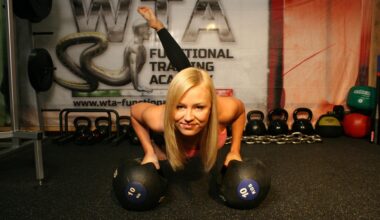

Combining Bodyweight Endurance Training with Flexibility Workouts
Integrating bodyweight endurance training with flexibility workouts can significantly enhance athletic performance and overall well-being. Bodyweight exercises, such as push-ups, squats, and lunges, engage multiple muscle groups effectively. These movements promote endurance, stability, and strength, all essential for a well-rounded fitness program. Flexibility workouts, on the other hand, focus on maintaining and improving the range of motion. Including stretching and mobility routines, such as yoga or Pilates, can complement bodyweight training perfectly. Together, they cultivate not only strength but also agility. Athletes and fitness enthusiasts can benefit immensely from this combination. Individuals can adopt varied training styles and methodologies to enjoy their exercises. Performing bodyweight exercises boosts heart rates, enhancing cardiovascular endurance. Flexibility workouts help prevent injuries, allowing individuals to recover and perform better. To maximize results, consider alternating training days or adding both elements into each session. Dedication to both components fosters long-term improvements and better movement quality. Therefore, structuring workouts to include both bodyweight endurance elements and flexibility routines is vital to an effective training plan.
A successful bodyweight training plan incorporates various exercise modalities to keep workouts engaging. Athletes should personalize their routines based on preferences and fitness levels. It’s essential to blend exercise types for overall development. For instance, incorporating circuit training formats stimulates endurance while providing strength benefits. This combination allows the body to gain strength through resistance and boosts aerobic capacity simultaneously. Alongside traditional bodyweight exercises, consider integrating plyometrics into your routine. Exercises such as jump squats or burpees introduce an explosive component. Furthermore, these movements can enhance your cardiovascular efficiency and improve flexibility through dynamic motion. Creating a balanced routine may involve alternating endurance sessions with recovery or flexibility days. Recovery is where flexibility workouts become vital to prevent overuse injuries. Active recovery allows muscles to recover while still engaging in physical activity. Adding cool-down stretches after intense bodyweight sessions will help lengthen muscles and enhance performance. Practicing mindful flexibility promotes relaxation and aids mental focus, vital for endurance training. Therefore, structuring weekly training plans around both endurance and flexibility workouts is crucial for sustainable progress.
Benefits of Combining Both Workouts
The integration of bodyweight endurance and flexibility workouts yields numerous benefits, particularly for athletes and fitness enthusiasts. Firstly, flexibility workouts enable improved muscle recovery after intense endurance training sessions. Increased blood flow to soft tissues accelerates healing and reduces soreness. This allows athletes to train with consistency and intensity without fear of injury. Secondly, unlocking greater flexibility empowers individuals to perform bodyweight exercises with a full range of motion. Enhanced mobility increases functional strength during movements. In addition, incorporating flexibility routines can positively affect overall coordination and balance. Enhanced stability allows for better execution in dynamic bodyweight movements. Improved postural alignment also stems from consistent flexibility training. As alignment enhances, the risk of injury decreases significantly. The combination of strength, endurance, and flexibility boosts athletic performance in sports and physical activities. Finally, this holistic approach diversifies workout routines, keeping motivation high and workouts fresh. Mindful attention to both endurance and flexibility ensures workouts remain enjoyable while reaching new fitness goals effectively. Overall, mixing these elements creates a comprehensive workout regimen.
In designing a balanced workout plan, specific considerations must be made for training frequency and intensity. Begin by establishing clear fitness goals based on personal aspirations. Whether the focus is building endurance, gaining strength, or fostering flexibility, a tailored program will enhance progress. Prioritize consistency for optimal results—aim for a mixture of bodyweight endurance and flexibility routines throughout the week. Scheduling sessions can help establish a pattern. Alternating strength and endurance-focused sessions with more flexible activities keeps muscles engaged while managing fatigue levels. For example, commit to three days of bodyweight endurance exercises and two days focused on flexibility training. On flexibility days, include various techniques such as static, dynamic, and ballistic stretching. Progressively challenge flexibility during training while preventing strain. Incorporating mobility drills prepares muscles for upcoming activities and assists recovery post-workout. Each session should begin with a warm-up to promote blood flow, preparing muscles for more strenuous exercises. Additionally, consider integrating recovery days between high-intensity sessions for muscle repair and growth. Doing this ensures that the body remains in peak condition and ready to perform.
How to Structure a Successful Workout
When creating a successful workout routine, consider leveraging a structured approach to achieve ongoing progress and adaptability. Start by selecting a balanced mix of bodyweight endurance exercises. Popular choices include push-ups, pull-ups, and mountain climbers. Focus on gradually increasing repetitions or challenges over time to maintain improvements. Likewise, create a balance between larger muscle groups and smaller details. By diversifying exercises, you engage different muscle fibers, promoting comprehensive strength. Next, devote specific times for flexibility training sessions. Yoga or dedicated stretching routines help restore length and pliability after endurance workouts. Consider utilizing foam rollers or resistance bands for additional flexibility benefits. Establishing a schedule that accommodates flexibility allows for efficient recovery and maximizes overall fitness. Additionally, don’t shy away from incorporating recovery techniques after strenuous workouts. Simple cooldown stretches can effectively alleviate tension and promote muscle repair. Make sure to stay aware of your body and adapt routines according to individual needs. With consistent practice, continuous improvement of both strength and flexibility becomes attainable, leading to superior athletic performance and overall well-being.
Successful integration of bodyweight endurance training and flexibility workouts hinges on understanding the importance of goal setting. Establishing clear, achievable fitness goals allows individuals to monitor progress over time. Track pertinent data such as sets, repetitions, flexibility ranges, and overall endurance during workouts. Recording achievements fosters motivation while helping adjust routines based on individual progress. Create short-term and long-term goals, with the aim of staying focused on improvement. While bodyweight endurance exercises may emphasize muscular endurance, consider preserving flexibility to counterbalance physical demands. Tracking flexibility improvements alongside endurance milestones can motivate individuals to incorporate both training aspects more thoroughly. Another essential factor is preparing valued resources such as workout guides, apps, or online videos. Engage with various platforms supporting bodyweight training methodologies. This expands personal knowledge and enhances exercise variety while preventing routine boredom. Knowledge about body mechanics, muscle groups, and effective recovery techniques increases proficiency in executing workouts. Therefore, taking an informed approach to personal fitness through goal setting and resource exploration is paramount in integrating flexibility and endurance training effectively.
Conclusion: Developing a Holistic Approach to Fitness
In conclusion, achieving an ideal training regimen involves developing a holistic fitness strategy that marries bodyweight endurance training with flexibility workouts. This complementary approach promotes strength, stability, resilience, and overall physical performance. As individuals progress, regularly reassess workout routines to optimize gains while considering energy levels and fatigue. Preserve consistent practice of both endurance and flexibility exercises to reap the full benefits of each modality. One effective workflow is to establish themes for training days, enabling comprehensive coverage of fitness areas without routine fatigue. Always listen to your body and honor its recovery needs; overextending oneself can negatively impact progress. Therefore, find balance in workout structures to promote overall health and vitality. Remember to celebrate accomplishments, however smaller they may seem, reinforcing the journey towards greater fitness. Ultimately, the path to mastering bodyweight endurance and flexibility is unique for every individual. Remaining adaptable and resilient in achieving fitness goals will produce rewarding results in both physical health and mental well-being.
By embracing this innovative approach, individuals unlock new paths to achieving their fitness potential. The journey involves persistence, experimentation, and dedication to nurturing both endurance and flexibility aspects. This method does not only transform physical capabilities but also enriches overall lifestyles. Transitioning to a balanced routine fosters creativity in workouts while fostering mindfulness in movement, promoting long-term sustainability for fitness enthusiasts. As these principles are adopted, participants can expect a comprehensive understanding of their bodies and enhanced overall performance, regardless of their starting point. The synergy between bodyweight endurance training and flexibility practices creates an empowering environment for personal growth and success. Setbacks become opportunities for learning and refining techniques, ensuring continuous improvement in daily routines. Embrace this unique fitness philosophy, yielding limitless possibilities and progress. Whether the goal is enhanced athletic performance, improved daily functional movements, or aesthetic aspirations, this method can propel individuals toward a healthier and more fulfilling lifestyle. The commitment to a balanced workout approach ultimately leads to better outcomes and promotes a holistic sense of well-being.