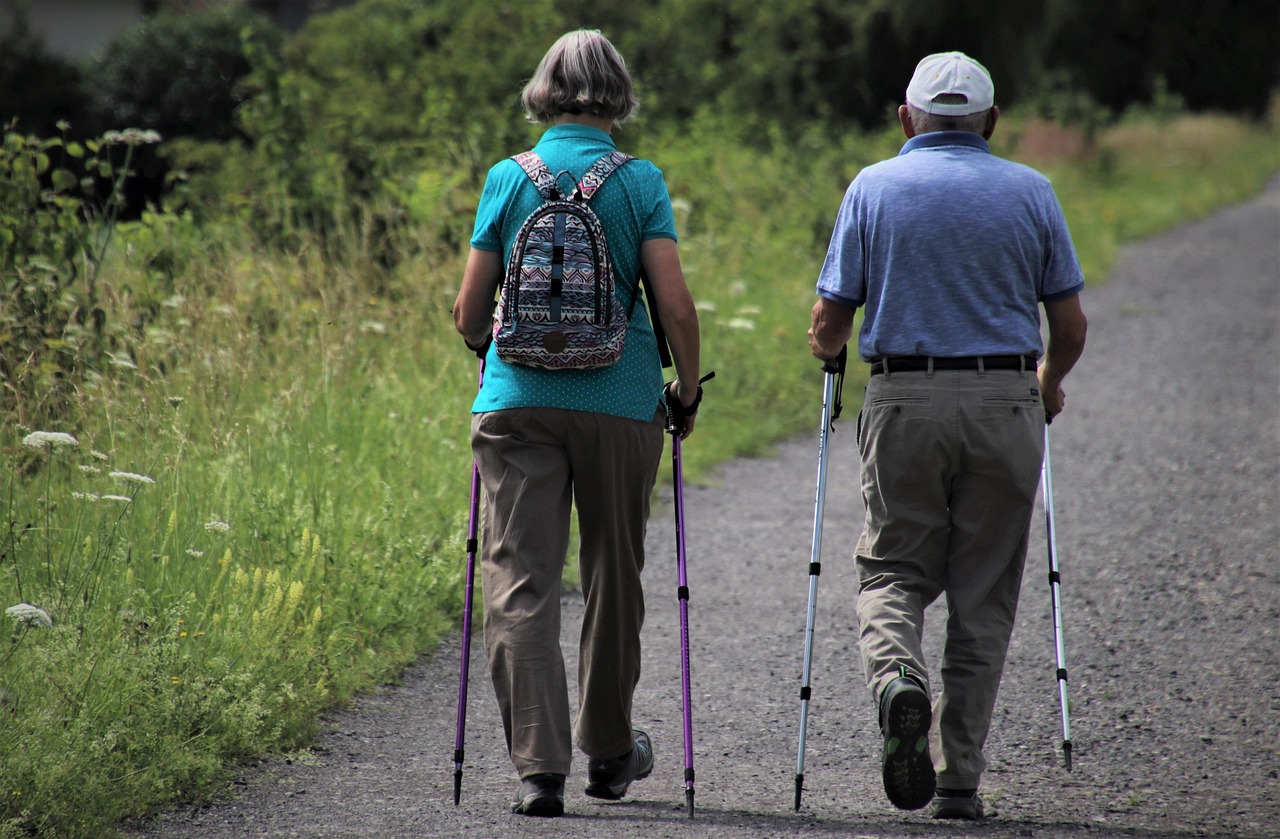

Walking Program Success Stories from Seniors
Walking programs tailored for seniors have proven incredibly beneficial. One inspiring success story comes from Mary, a 75-year-old grandmother who had always shied away from physical activity. After joining a local walking group specifically designed for seniors, she started enjoying the camaraderie and support from fellow participants. Each week, they would set new goals, leading to improved physical fitness and overall health. Mary not only lost weight but also noticed a significant drop in her previous health complaints, including knee pain. This newfound energy reignited her passion for life, allowing her to engage more actively with her grandchildren. In conclusion, success stories like Mary’s illustrate the life-changing benefits of walking programs. Furthermore, they highlight the importance of social connections and encouragement in tackling health challenges. Many seniors find motivation and enjoyment, resulting in consistent participation in such programs. This community approach to fitness fosters bonding and supports emotional well-being. For anyone considering joining a walking program or establishing one, it’s crucial to ensure it’s age-appropriate, friendly, and inclusive for all participants. With dedication and networking, remarkable transformations can happen as seen in these heartfelt stories.
Another notable success story involves Charles, an 82-year-old veteran who had become increasingly sedentary due to mobility issues. Encouraged by his daughter, he reluctantly signed up for a senior walking initiative in his neighborhood. Initially, it felt challenging and intimidating for him. With gentle encouragement from trained volunteers, he gradually built stamina. Within months, Charles surprised himself by walking two miles every day. His progress inspired fellow walkers, creating a sense of healthy competition. This newfound zeal also encouraged him to not just walk but also engage in additional activities such as stretching and basic strength training. Discussions among participants also fostered friendships, which further enhanced the group spirit. From someone who once dreaded movement, Charles transformed into an advocate for seniors’ fitness. He now shares his experience with others, emphasizing the need for patience and consistency. Walking proved to be a gateway to greater mobility, self-confidence, and community love for Charles. He frequently encourages his military buddy peers to join similar programs. This creates newfound inspiration and relationships as they share their journeys and triumphs in achieving physical health together. This success exemplifies the power of perseverance when combined with collective support.
The Social Impact of Walking Programs
Among these successful stories is Betty, aged 74, who found immense joy in participating in her local walking program. Initially hesitant, she was encouraged by the friendly atmosphere and welcoming environment. As Betty began to walk regularly, she also started attending social events organized after the group walks, which turned out to be a life-changer. The relationships she built with other seniors helped alleviate her feelings of loneliness. Daily activities became less daunting as she enjoyed companionship during walks and more. Betty shared laughter and personal stories, contributing to everyone’s solid emotional upliftment. The community vibe allowed everyone to take part in different discussions about their lives, which also fueled motivation. They discovered they were not alone in their struggles and challenges, fostering a sense of belonging and security. Betty’s transformation has been significant. She started sharing her experiences, advocating for walking programs in her neighborhood, and inspired others to participate. Such gatherings reinforced practical approaches to health and happiness among seniors. Overall, the social impact resulted in emotional well-being, drastically enhancing lives. Walking programs not only promote physical fitness but also foster meaningful connections for seniors.
Seniors are also finding success through organized walking events, such as charity walks. These events offer a fun, casual framework for senior participants while pursuing healthfulness. Ellen, aged 79, relayed how joining an annual charity walk not only motivated her to stay active but also created an opportunity to support a cause close to her heart. Feeling empowered by her commitment, she began training actively with other participants. They would meet every week, pushing each other towards personal goals. Through this newfound focus, Ellen lost weight, and her mobility improved significantly. Her once limited lung capacity also increased remarkably. Besides physical benefits, walking for charity encouraged a sense of purpose for her. Ellen’s commitment not only improved her health but also positively impacted the organization she supported. At the event, walking alongside other elderly members fueled motivation and collective spirit, transforming it into a community occasion. They often share their stories, laughter, and smiles, fostering friendships and connections. For other seniors, Ellen’s experience stands testament to the power of community-driven initiatives. They illustrate the impact of participating in purposeful events fostering stronger relationships and enhancing physical health.
Challenges Overcome Through Walking
Moreover, transitioning to a walking routine can present numerous challenges seniors face. Dan, a 70-year-old retired teacher, started walking with some apprehension due to fears of falling and underestimating his physical ability. Initially, he faced difficulties, lagging, and feeling self-conscious. However, he realized with encouragement from his peers, nothing can stand in the way of personal goals. Dan’s progression shifted gradually as he set realistic goals for himself. Beginning with short walks, he developed his stamina and gradually introduced additional routines, such as interval walking. This new routine helped him develop self-trust and gradually diminished his fears. As he shared these challenges with his walking buddies, they began to inspire one another, creating warm camaraderie. Dan learned the power of resilience, acknowledging that challenges would always arise. Meeting regularly and sharing experiences created a support structure for all involved. Eventually, Dan became a pillar of encouragement for new participants, inspiring many. His evolution illustrates overcoming fears, helping others grow, and building confidence through shared experiences and encouragement under collective efforts. Walking has transformed personal aspirations and perspectives into thriving efforts, all within a supportive community.
A shining example of persistence comes from Linda, a 73-year-old who turned to walking programs after undergoing hip surgery. Doctors advised her to engage in gentle exercise to regain strength. Initially—feeling daunted and limited—Linda joined a senior-focused walking therapy group. With professional guidance and encouragement from her peers, she took one step at a time, profoundly recovering. After concerted efforts, her dedication yielded astonishing results. Linda progressed from labored walking sessions to brisk ones, emphasizing the importance of patience and understanding one’s body. It wasn’t just about physical recovery; it began reshaping her mindset. Her fellow walkers offered friendship, humor, and unity, enriching her social life. She found motivation within the group as stories were shared about their respective journeys, inspiring one another as each person pushed forward. Linda’s health transformation was phenomenal, evolving from an apprehensive patient to a vibrant individual leading walking workshops for her community. Her journey showcases influential transitions brought through perseverance, therapy, and engagement with fellow seniors. All of this contributed to personal growth stemming from participation in walking programs that lead to profound change and encouragement for others seeking similar paths.
Final Thoughts on Walking Programs
In closing, walking programs for seniors offer remarkable life transformation across various individuals. Each success story, from Mary’s collective friendship with walk buddies to Ellen’s charity commitment, encompasses support and connection as vital factors for effective health partnerships. The benefits extend beyond just invigorated fitness levels; they include emotional well-being and social networking that amplify meanings in daily life. The personal narratives of struggles and triumphs conveyed by Dan and Linda illustrate how challenges can be reframed. Each walker found purpose: whether overcoming limitations, regaining mobility, or fostering friendships. The joy derived from shared laughter and emotional bonding solidified a community spirit among participants. These inspiring stories encourage others to join walking programs, underscoring that social connections pave pathways to success. Ultimately, the communal nature of walking programs expands possibilities beyond hopelessness, emboldening seniors with motivation and inspiration. Walking is more than merely putting one foot in front of the other; it is about engaging with life and facing challenges alongside others. Positive transformations occur through personal determination and shared experiences, proving that within these collective journeys, the possibilities for enrichment in senior lives are boundless.
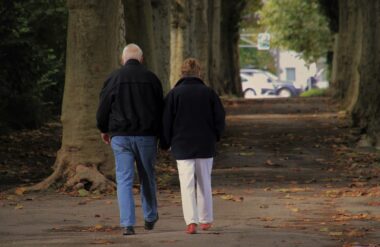
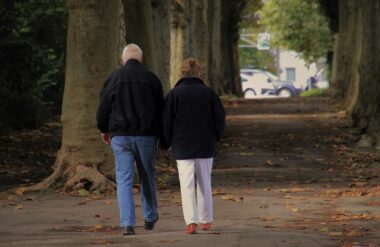
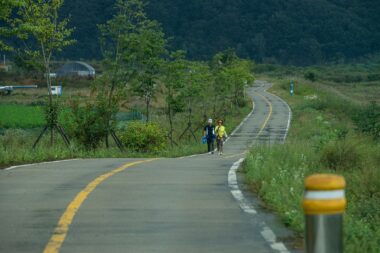
Sourced images can convey the vibrant lives of seniors engaged in these walking programs, fostering additional connection. The visuals highlight their progress, encouraging others to thrive and grow as seen through their smiles and active participation.