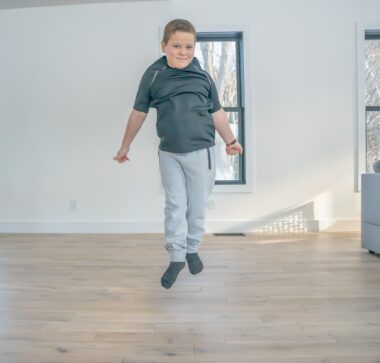
Using Bodyweight Exercises to Develop Kids’ Motor Skills
Bodyweight exercises are an effective way to promote physical activity among children, enhancing their motor skills significantly. Engaging kids in structured bodyweight workouts helps them build strength, flexibility, and coordination. Exercises like push-ups, squats, jumping jacks, and planks can contribute positively to a child’s developmental milestones. Notably, these workouts also engage their core, which is crucial for various sports and daily activities. Furthermore, they can be performed almost anywhere, making them a convenient option for parents and teachers. Through regular practice, children will develop their balance and agility, which are essential components of overall fitness. It’s vital to ensure that these exercises are age-appropriate to prevent any injuries and keep them motivated. For kids, enthusiasm can be fueled by turning workouts into fun games and challenges. Remember to encourage teamwork and participation, as social aspects greatly enhance their enjoyment and adherence to a routine. Both kids and adults can join in these activities, fostering a family-oriented health initiative. Setting achievable goals will also boost confidence and instill a sense of accomplishment within the children.
The Importance of Motor Skills Development
Motor skills development is crucial for children, affecting their overall physical health and academic performance. Fundamental gross motor skills such as running, jumping, and throwing form the foundation for more complex movements as they grow. Bodyweight exercises play a significant role in this aspect, helping to cultivate coordination and spatial awareness. Practicing these exercises can lead to improved balance and control, enabling better performance in sports. Additionally, fine motor skills can also benefit from engaging activities that involve focusing on body positioning and movement. For instance, bodyweight movements can improve hand-eye coordination, especially when activities like balancing or reaching are involved. Encouraging parents to engage in these exercises with their children fosters bonding time and creates a supportive environment. Moreover, incorporating fun challenges can keep kids interested and motivated in their fitness journey. Moreover, children with well-developed motor skills often display greater confidence and social skills. Successful participation in physical activities can boost self-esteem, which is vital during their formative years. Consequently, a structured routine of bodyweight exercises can lay the groundwork for lifelong healthy habits.
The variety of bodyweight exercises available is one of the crucial factors contributing to their effectiveness in developing kids’ motor skills. Opportunities for exploration and variation boost children’s engagement, making workouts more enjoyable. Simple activities like bear crawls, frog jumps, and crab walks not only work different muscle groups but also address balance and coordination. Engaging in dynamic activities enables kids to explore their physical capabilities and learn through trial and error. In addition, incorporating prompts like challenges can motivate kids to accomplish specific movements. Parents and instructors can create obstacle courses or movement games that feature various bodyweight exercises tailored to the children’s skill levels. This enhances their reaction time and encourages quick decision-making. Furthermore, involving music while executing exercises can help kids maintain rhythm and timing, which enhances their motor skills. Meanwhile, teaching breathing techniques during workouts can promote relaxation and body awareness. All these elements work together to enrich their overall well-being. Parents should monitor their developments and celebrate milestones to foster a positive association with physical activity. Ultimately, this nurtures a sense of accomplishment and propels them to continue pursuing active lifestyles.
Making Bodyweight Exercises Fun
Creating a fun environment is essential when introducing bodyweight exercises to kids. Activities should feel like games rather than chores, evoking excitement. Pairing exercises with creative themes, such as animal movements or superhero feats, adds an imaginative aspect that delights children. For example, kids can pretend to be budding athletes, leaping like frogs while practicing their jumping skills. Structured play, such as relays or team competitions, encourages children to participate enthusiastically. Positive reinforcement, such as rewarding effort and improvement with stickers, can also motivate kids to strive for personal bests in fitness tasks. Incorporating friendly competitions and challenges promotes teamwork and camaraderie, leading to lasting friendships. Instructors should adapt the difficulty level based on the children’s age and physical capabilities to minimize frustration and encourage steady progress. Consistency is vital, so having regular workout sessions, whether at school or home, ensures a routine is established. Parents can join in on these exercises, making it a family event that emphasizes healthy living. Overall, utilizing creative approaches and encouraging a supportive atmosphere can inspire kids to adopt a love for fitness and movement.
Safety is a paramount consideration when kids engage in bodyweight exercises. Parents and instructors need to prioritize safety to create a conducive environment, ensuring proper body alignment during movements to avoid injuries. Additionally, warm-ups and cooldowns are essential in promoting flexibility and preparing their bodies for activities, safeguarding against strains. Monitoring the intensity of exercises according to children’s capabilities ensures they don’t overexert themselves. Parents should also encourage children to listen to their bodies, promoting awareness of their limits. Demonstrating correct form can help children grasp the fundamentals and avoid common mistakes. Moreover, creating a safe workout space, free of obstructions, allows kids to move freely without the risk of tripping or falling. Furthermore, hydration should be emphasized before, during, and after workouts. Parents can also model positive health literacy by teaching children about nutrition and fueling their bodies optimally. Ultimately, creating a safe and enjoyable environment instills a culture of fitness that can enhance kids’ physical, social, and emotional well-being. Assuring kids feel secure allows them to take risks, fostering self-esteem and resilience as they explore new movements.
Incorporating Bodyweight Exercises into Daily Routines
Integrating bodyweight exercises into children’s daily routines is crucial for fostering a fitness-oriented lifestyle. Parents and educators can incorporate short exercise sessions during the day, breaking the monotony of academics with physical activity. For instance, a quick set of jumping jacks or squats can refresh their minds and enhance focus. Developing a weekly schedule that includes various bodyweight workouts can give children something to look forward to every day. Another innovative approach is to merge exercises with academic lessons, allowing kids to learn while moving. For example, during a math lesson, students could solve problems and jump for each correct answer. This method makes learning active and memorable. Additionally, parents can lead by example by showcasing their fitness endeavors at home. Attending family workout sessions inspires children to embrace physical fitness. Fun workout videos or apps also offer guided sessions suitable for different skill levels and age groups. Furthermore, connecting with local community programs that promote active lifestyles can encourage kids to socialize and build supportive networks. Lastly, helping children set fitness goals with clear destinations will fuel their determination and establish positive habits.
Continuing progress in bodyweight exercises is essential for cultivating children’s motor skills. Regularly evaluating their performance can help track their development and identify areas that need improvement. Setting incremental goals ensures children remain motivated and experience success, fueling their enthusiasm for physical activity. Parents and teachers should celebrate individual progress to reinforce positive behaviors and attitudes toward fitness. Incorporating variety in workouts prevents stagnation and encourages exploration of new movements. Organizing seasonal fitness challenges can invite friendly competition with friends or family, boosting engagement levels. Additionally, keeping the activities age-appropriate will increase inclusion and motivation among peers. Moreover, sharing experiences on social media can offer insights into children’s fitness journeys while receiving encouragement from the online community. Recognizing achievements at different milestones, regardless of size, fosters a positive approach toward fitness. Furthermore, involving children in decision-making regarding activities can build their confidence and self-efficacy. Encouraging social opportunities via group workouts or clubs helps develop friendships, support systems, and teamwork. Ultimately, as children continue to push their limits and embrace the fun in fitness, they’ll cultivate lifelong habits that lead to physical and emotional well-being.