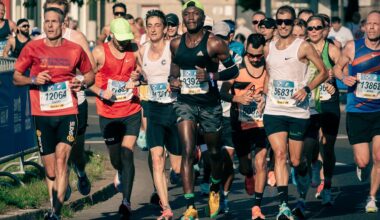

The Role of Sleep in Successful Race Day Performance
When preparing for a race day, many athletes focus on physical training and nutrition, but the role of sleep cannot be overstated. Sleep is a vital component that affects performance levels. Quality sleep allows the body to recover from strenuous workouts, helping to repair muscles and prevent injury. Sleep deprivation can hinder both physical and cognitive performance, leading to slower reaction times and decreased endurance. Athletes often underestimate how important sleep is for effective race preparation. A good night’s sleep aids in the body’s physiological processes, including energy restoration. Furthermore, sleep affects the cardiovascular and metabolic systems, which are critical during racing. Many experts recommend aiming for at least seven to eight hours of quality sleep per night leading up to a race. This ensures that the athlete’s body is in optimal condition to perform at its best. Incorporating positive sleep habits, such as maintaining a consistent sleep schedule, provides significant benefits. Thus, prioritizing quality sleep is essential for achieving peak performance on race day.
Benefits of Adequate Sleep
Quality sleep brings numerous benefits that enhance an athlete’s race day performance. It contributes significantly to improved focus and concentration, critical elements during a race. Heightened focus helps runners strategize their pacing and maintain their form. Additionally, quality sleep results in better mood regulation, reducing anxiety and improving confidence levels. An athlete who feels mentally and emotionally balanced is more likely to perform well. Adequate sleep also boosts immunity, which can be crucial, especially in the days leading up to a race when catching a cold could derail plans. Furthermore, restorative sleep enhances metabolic functions, facilitating better energy utilization during long runs. It diminishes the risk of injuries by promoting muscle recovery and ensuring injury-prone areas are well-rested. Athletes observing pre-race protocols, including sleep, give themselves an edge over competitors who may overlook this factor. By focusing on sleep as part of race preparation, runners can ensure they approach the starting line feeling refreshed and ready. In conclusion, adequate sleep fosters physical, mental, and emotional well-being essential for top race performance.
Race day can be incredibly stressful, and how well an athlete sleeps the night before can determine their performance. Pre-race jitters can sometimes disrupt sleep, leading to anxiety, which impairs physical performance. Athletes should employ relaxation techniques to enhance sleep quality before a race. Consider mindfulness practices or meditation as effective tools to calm the mind. The environment in which one sleeps also plays a vital role in achieving restful sleep. Limiting noise, managing temperature, and ensuring that the bed is comfortable can significantly impact sleep quality. Sleep hygiene practices, such as avoiding stimulants like caffeine and screens close to bedtime, can help facilitate better sleep. Moreover, creating a pre-race routine that includes winding down a few hours prior to sleep allows the body to transition into sleep mode. Preparing the mind and body for sleep is as essential as training the body physically. By prioritizing sleep quality, runners can tackle their races with more energy and mental clarity, crucial for overcoming race-day challenges. Never underestimate the value of a good night’s sleep leading up to your performance.
Sleep stages play a fundamental role in the recovery process. During deep sleep, the body undergoes critical processes that repair and rejuvenate muscles while consolidating memories and learning. This makes it vital for athletes to reach adequate amounts of deep sleep, particularly before race day. REM (Rapid Eye Movement) sleep stages are equally important, as they contribute to cognitive functions. Inadequate sleep can push an athlete into sleep deprivation, leading to performance degradation. Performance issues can arise from dramatic impacts on coordination and concentration. Sleep deprivation can also result in prolonged fatigue, which can hinder pacing strategies during races. The cumulative effects of poor sleep can often be significant leading into an important event. Athletes who prioritize both the quality and quantity of sleep are more likely to perform at their best. It leads to enhanced decision-making abilities that can prove advantageous during races. While many focus on physical readiness, recognize sleep as a contributor to mental sharpness. In total, achieving sufficient sleep secures both physical and mental readiness crucial for distance runners and sprinters alike.
Preparing for Race Night Sleep
Preparation for a restful night’s sleep before race day must begin well in advance. Athletes must account for their day leading to sleep to ensure optimal rest. It starts with managing training intensity and ensuring workouts are completed earlier in the day, which prevents undue stress close to bedtime. Nutrition choices also impact quality sleep—limiting heavy foods and caffeine several hours before sleep can create a conducive sleep environment. Many athletes find it beneficial to hydrate adequately but refrain from excess fluid intake to prevent sleep disruptions. Engaging in light stretches or relaxation techniques can be integral as part of the wind-down routine. Before bedtime, consider creating a sleep sanctuary by dimming lights and eliminating distractions such as devices that emit blue light. Cultivating a routine signals your brain it’s time to unwind. Furthermore, adding relaxation tactics like breathing exercises can help ease pre-race discussions that might linger in the mind. Proper preparation can lead to an effective sleep experience, setting the stage for optimal performance on race day.
A solid sleep routine goes beyond simply sleeping; it involves managing sleep cycles effectively. Keeping a consistent bedtime reinforces the natural circadian rhythm, which governs sleep cycles. Quality sleep isn’t about just quantity but about deep, restorative phases that contribute to recovery. Track your sleep patterns using beacons or apps designed to monitor sleep quality to identify trends and opportunities for improvement. Ensuring that your bedroom is darkened or using blackout curtains can significantly improve your sleep quality. Melatonin release, a natural hormone that regulates sleep, is stimulated by darkness, leading to deeper rest. Consider implementing light exposure during the day to enhance sleep patterns. Likewise, setting aside at least 30 minutes during the day to disconnect from screens and take a mental break can reduce stress about performance and improve sleep when night arrives. Upon completing daily activities, athletes must find how to create a sleep-conducive environment by ensuring minimal disturbances. Poor quality sleep hasn’t to be the norm for athletes; it’s possible to attain restful and restorative peace essential for peak performance.
Post-Race Recovery and Sleep
After the race, sleep continues to play an important role in recovery. Following intense physical activity, the body requires sleep for sustainable healing. Muscle fibers often experience damage during the race, making rest critical to the recovery of physiological functions. Recovery sleep is where the body repairs these damages and restores energy levels while reducing the risk of injury. Athletes who fail to rest after races often find themselves facing fatigue, stunted recovery, and prolonged soreness. To promote recovery, focus on hydration and nutrition, but ensure that sleep is included in the reflection of post-race strategies. Quality sleep enables muscle repair and replenishment of glycogen stores necessary for performance in subsequent races. Athletes should consider a recovery plan that prioritizes sleep for enhanced life quality. It allows the body to process the exertion experienced, setting the stage for future training and performance. Make it a habit to prioritize sleep strategically over the days following competition. In doing so, you’ll enhance not only your recovery but prepare for future athletic endeavors.
The integration of sleep strategies into race day preparation empowers athletes to optimize their performance. Recognizing the multifaceted advantages sleep packs, such as improved mood and focus, shapes an athlete’s approach. Additionally, managing pre-race anxiety through sleep hygiene practices helps ensure clarity and determination during races. Sleep aids in both physical recovery and psychological readiness, making it far more than just a luxury. To maintain an edge in competitive sports, prioritize adequate sleep before, during, and after races. Educate yourself about the impacts of sleeplessness, adjust training cycles, and adopt good sleep habits. By doing so, athletes can ensure their efforts are maximized on race day, paving the way for success. Ultimately, it’s important to remember that performance starts well before the gun goes off. Proactive sleep management leads to informed racing strategies, crucial for both mental and physical success. Consequently, those embracing sound sleep health will undoubtedly find themselves attaining their goals, overcoming challenges they might meet on the challenging race course of life.