
Key Equipment Transforming Functional Training Sessions
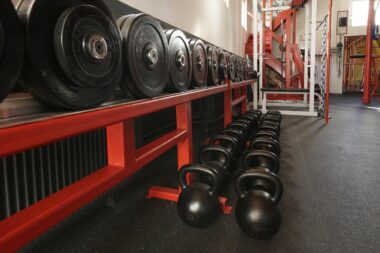
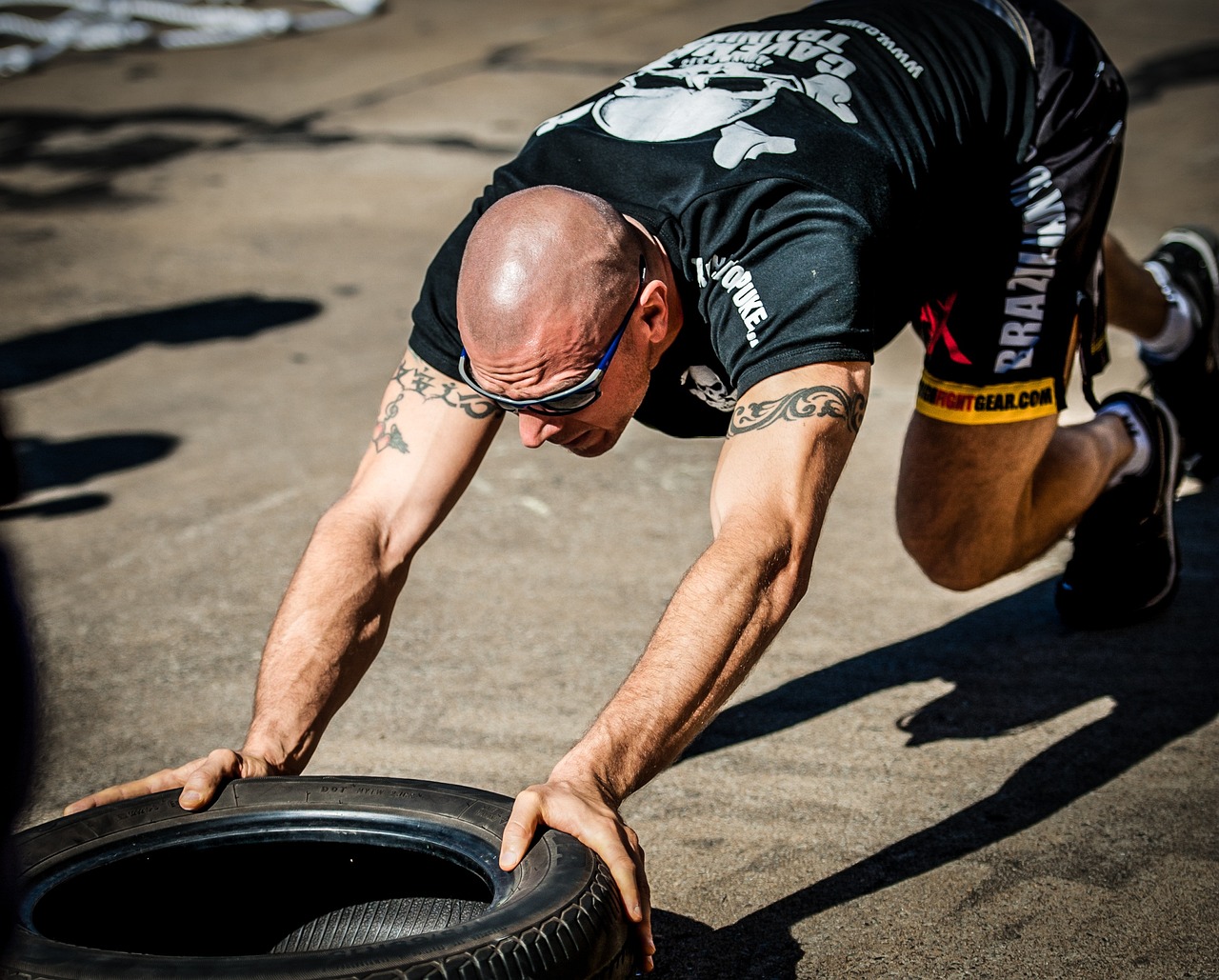
The fitness industry has seen a significant rise in the popularity of functional training, highlighting the need for versatile equipment in workouts. Functional training emphasizes movements that mimic everyday activities, enabling individuals to perform daily tasks effectively and safely. This trend has led to an increased demand for equipment that can facilitate a variety of exercises targeting strength, flexibility, and endurance. Notable equipment includes kettlebells, resistance bands, and stability balls, all designed to enhance functional movements. Utilizing such tools allows fitness enthusiasts to improve their core strength and overall physical capabilities. Moreover, as trainers incorporate these modalities into their routines, clients experience improved performance in daily life. Alongside traditional gym equipment, innovative devices like suspension trainers and plyometric boxes are gaining traction, providing unique challenges to users. The ongoing development of these tools reflects the greater focus on holistic fitness approaches. By concentrating on functionality, individuals can achieve better health outcomes and enjoy diverse training experiences. This shift in the fitness landscape promotes a more engaged, motivated, and ultimately healthier population.
As functional training gains momentum, another exciting piece of equipment gaining traction are the agility ladders. These versatile tools are perfect for improving speed, coordination, and agility, all crucial for enhancing athletic performance. When implemented into functional training sessions, agility ladders can significantly boost cardiovascular fitness and contribute to injury prevention through improved proprioception. Incorporating agility drills with ladders not only benefits athletes but also aids in overall body conditioning for the general population. Additionally, they can be used for group workouts or individual training, providing adaptability for various fitness levels. Users can mix various drill sequences to keep workouts fresh and exciting while enhancing their agility and foot speed. This functionality elevates the training experience for both clients and trainers alike, making it invaluable to a complete fitness regimen. Furthermore, agility ladders can be set up in small spaces, making them accessible for home workouts or limited gym areas. As such, their affordability and adaptability make them a popular choice among fitness enthusiasts. With the growth of functional training, agility ladders are likely to continue soaring in popularity and effectiveness.
Another innovative equipment trend in functional training is the emergence of sandbags. These multifunctional tools are versatile and adaptable for various exercises targeting multiple muscle groups, making them ideal for functional workouts. Sandbags come in different weights, which can be adjusted easily, allowing users to progress according to their strength levels. Incorporating sandbags into workouts not only challenges stability but also reinforces core strength, ultimately translating to improved functional fitness. They can be used for squats, lunges, carries, and even dynamic movements like cleans or snatches. The unsteady nature of sandbags forces the body to engage more muscles during exercises compared to traditional weights. This engagement translates to increased caloric expenditure and better muscle activation. Furthermore, sandbags are relatively portable, making them suitable for outdoor training sessions or traveling athletes. Including sandbags in functional training promotes a unique training experience, enhancing overall strength and endurance. As fitness professionals continue to seek innovative ways to challenge clients, sandbags are sure to maintain their place within diverse training regimens, making functional training more effective and engaging.
Plyometric Boxes: Elevating Functional Training
Plyometric boxes have become a staple in functional training programs, providing an effective way to improve strength and power output through explosive movements. These sturdy boxes come in various heights and can be used for jumping and stepping exercises to build leg strength and enhance coordination. The versatility of plyometric boxes allows trainers to tailor exercises to different fitness levels and goals, making them suitable for both beginners and advanced athletes. Various drills can be performed, including box jumps, step-ups, and depth jumps, leading to improved explosive power, balance, and functional fitness. Additionally, incorporating plyometric training enhances cardiovascular conditioning and boosts overall athletic performance. As an extra benefit, plyometric moves challenge the core stability of users, resulting in better overall strength and coordination. Trainers often select plyometric boxes due to their safety features, such as non-slip surfaces and soft edges, making them ideal for high-intensity training. With their significant impact on functional training outcomes, it’s no wonder that the popularity of plyometric boxes continues to rise among fitness enthusiasts and professionals.
Another key trend in functional training is the use of resistance bands, which have become sought-after devices due to their versatility and effectiveness. Resistance bands are inexpensive, portable, and easy to store, making them a convenient choice for gym-goers. They effectively target muscle groups during functional exercises, assisting in building strength, stability, and flexibility. Resistance bands come in various tension levels, which can be adjusted depending on the user’s fitness level. They can be integrated into a plethora of workouts, such as strength training, rehabilitation, and dynamic stretching routines. Regular use of resistance bands helps enhance muscle control and promotes better adaptation for various movements in daily life. Additionally, bands cater to functional movement patterns by challenging the body’s stability through variable resistance, making them essential for improving functional strength. As trends in fitness continue to evolve, resistance bands remain a fundamental tool for trainers and clients alike. This equipment fosters creativity in workout programming while offering endless options for functional training.
The Role of Medicine Balls in Training
Medicine balls are also gaining popularity in functional training due to their versatility and effectiveness in developing strength and power. These weighted balls come in various sizes and weights, allowing users to customize their workouts according to fitness levels. Practicing with medicine balls helps improve core strength and enhances explosiveness in movements, which translates to better overall functional fitness. They can be used in numerous exercises that engage multiple muscle groups, making them a valuable part of a comprehensive training program. Functional movements involving medicine balls include slams, twists, and throws, all designed to activate the core and various muscle groups. Incorporating medicine balls into workouts promotes dynamic movement patterns that mimic everyday activities, enhancing overall performance in daily tasks. Additionally, integrating medicine balls fosters group participation and keeps training sessions engaging for clients. With the rising interest in functional training, medicine balls continue to play a significant role in creating diverse, impactful workouts. As trainers prioritize dynamic movements, the demand for medicine balls is expected to grow, further solidifying their place in the fitness industry.
In conclusion, the rising popularity of functional training is undeniably transforming the fitness landscape, fueled by innovative equipment choices. By emphasizing natural movements that mimic real-life activities, functional training is promoting healthier lifestyles and increased physical performance among diverse populations. Kettlebells, agility ladders, sandbags, plyometric boxes, resistance bands, and medicine balls are just a few examples of the transformative equipment that has emerged in this space. These tools allow trainers to develop unique workouts that challenge stability, strength, and cardiovascular fitness levels, catering to clients’ individual needs. As the fitness industry continues to evolve, embracing a holistic approach to health and wellness becomes increasingly important. In response to this shift, trainers must remain adaptable and open to new methods that enhance functional training sessions. The continued growth of functional training signifies a greater understanding of human movement and its essential role in overall wellness. With the right equipment and techniques, both beginners and experienced athletes can thrive in their fitness journeys, leading to lifelong health and better quality of life.
Ultimately, the trends in functional training will only continue to grow as fitness enthusiasts seek effective ways to improve their overall well-being. As the market introduces more innovative equipment, trainers need to stay informed and adapt their programming to meet clients’ evolving needs. Engaging in functional training not only builds physical strength but also encourages a more active lifestyle, impacting one’s overall health positively. As we further embrace functional training principles, it becomes evident that incorporating a variety of equipment is crucial to creating well-rounded fitness regimens. The focus on improving everyday movements enables individuals to enhance their performance and reduce the risk of injury over time. As the industry continues progressing, fitness professionals must recognize the importance of functional training in promoting long-term health benefits. Exploring new equipment and methods will contribute to continued success in achieving fitness goals. The future of the fitness industry remains bright, with functional training at its core, empowering individuals to live healthier, more active lives.