
Using Protein Supplements to Support Weight Loss Goals
Weight management is a key focus for many individuals aiming to improve their health. Among various approaches to weight loss, protein supplements are gaining popularity for their potential benefits. Protein offers numerous advantages when incorporated in a weight management strategy. These supplements help increase satiety, the feeling of fullness after meals. This can directly reduce overall calorie intake. Additionally, protein aids in preserving lean muscle mass during weight loss, which is crucial for maintaining metabolism. With many forms of protein available, including whey, casein, and plant-based options, individuals can choose what fits their dietary preferences. Incorporating protein supplements into daily routines can be simple. They can be added to smoothies, oatmeal, or consumed as shakes. Furthermore, it’s vital to choose high-quality products that do not contain excessive sugars or additives. Consulting with a healthcare professional is recommended before starting any supplementation plan to ensure it suits individual health needs. Including protein supplements alongside a balanced diet and regular exercise can effectively enhance performance and facilitate weight loss goals. Emphasizing quality protein intake may lead to a sustainable approach to weight management.
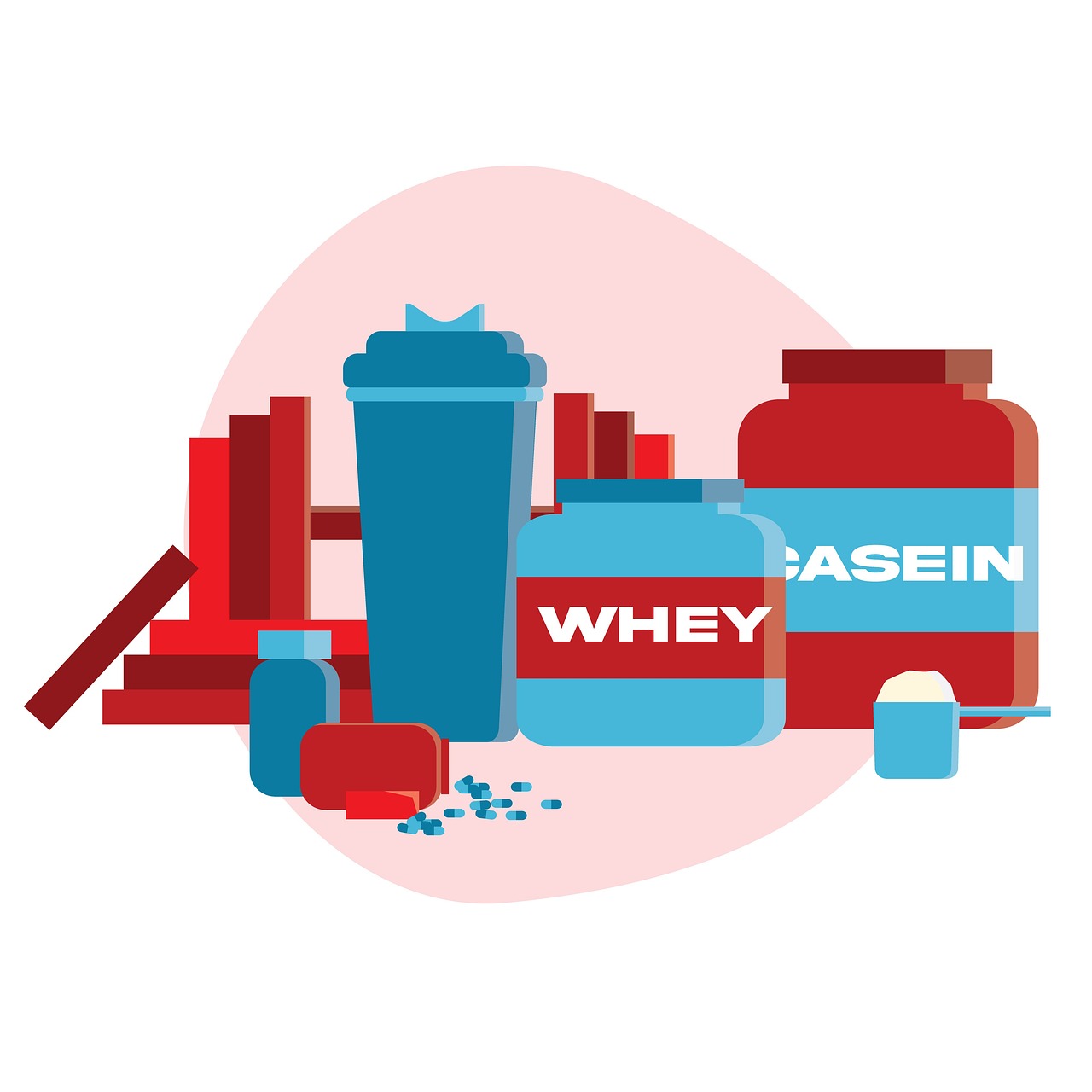
Different protein supplements are available to choose from, each offering unique benefits. Whey protein is one of the most popular options due to its quick absorption rate. It is ideal for post-workout recovery, providing muscles with the necessary nutrients. On the other hand, casein protein digests slowly, making it suitable for nighttime consumption. This slower process can help curb hunger during the night. Additionally, plant-based protein options, such as pea, hemp, and brown rice protein, cater to those following vegetarian or vegan diets. These sources not only provide protein but also come packed with fiber. Including protein-rich foods alongside protein supplements ensures a well-rounded nutrient intake. Consider whole food sources of protein such as chicken, fish, legumes, and tofu. These options can be combined with fruit or vegetables to enhance overall nutrition. Additionally, always check for quality certifications and ingredient transparency when purchasing protein supplements. Look for protein powders that list amino acid profiles to ensure they provide essential nutrients. Ultimately, the best protein supplement varies based on individual needs, preferences, and fitness goals.
The Role of Protein Timing in Weight Management
When considering protein supplements, timing can significantly impact their effectiveness in weight management. Properly timing protein intake can maximize muscle repair and growth, particularly after exercise. Consuming protein within 30 minutes post-workout will help replenish muscle glycogen, aiding in faster recovery. Moreover, spacing protein consumption throughout the day, approximately totaling at least 100 grams, supports muscle protein synthesis. This ongoing process compensates for the natural breakdown of muscle tissue. Research suggests that having a protein-rich meal or snack can enhance feelings of fullness in the upcoming meals. Therefore, planning meals around activities can create a more optimal fat-loss environment. This approach improves basal metabolic rates, making it easier to maintain or lose weight. Understandably, it can become challenging to reach daily protein goals through whole foods alone. This is where protein supplements can serve as a convenient solution. They are portable and can easily be consumed in shakes or bars on-the-go. By integrating protein strategically, individuals can complement their weight loss efforts and improve workout performance effectively.
To maximize the benefits of protein supplements, it is essential to combine them with adequate fluid intake. Staying hydrated facilitates optimal nutrient transport and can support metabolic processes. Water consumption is vital during exercise and throughout the day, especially when incorporating any additional supplements. Substituting high-calorie beverages with water or herbal teas can also promote weight loss. Furthermore, maintaining a balanced diet alongside protein supplementation is crucial. Ensure variety in food choices to prevent nutrient deficiencies. Incorporate sources rich in vitamins, minerals, and healthy fats. Whole grains, fruits, and vegetables should be valuable additions. It is worth noting that using protein supplements does not provide a license to neglect other food groups. Accountability and mindfulness in dietary choices are necessary for sustaining weight management. Tracking food intake through apps or journals can support motivation and monitor progress. Some individuals find it helpful to share their goals with peers or join weight loss support groups. Building a network encourages accountability while providing encouragement in challenging situations. Adopting a holistic approach, inclusive of protein supplementation, can foster lifelong healthy habits that contribute to weight maintenance.
Potential Risks of Relying Solely on Supplements
As beneficial as protein supplements can be, it is crucial to understand the potential risks of over-reliance. Depending entirely on protein powders or bars can lead to a lack of diversity in one’s diet. This restrictive approach may result in nutrient deficiencies over time. While protein intake is essential, achieving an overall balance is critical for optimal health. Prioritize whole food sources of protein to ensure a wide array of nutrients, such as fiber, healthy fats, and essential vitamins. Overconsumption of protein supplements can also put a strain on the kidneys, particularly in individuals with pre-existing health conditions. Therefore, monitoring protein intake and consulting a healthcare professional before making drastic changes is advisable. Additionally, some protein powders may contain added sugars or additives, leading to weight gain rather than loss. Reading labels to understand what ingredients are included is key. Consideration should also be given to food allergies or intolerances, which can arise from specific protein sources. In summary, proceeding with caution and ensuring a balanced approach can better support weight loss goals.
Integrating protein into a comprehensive weight management strategy also means understanding individual body needs. Genetics, age, and activity levels all influence protein requirements. Assessing personal factors ensures protein intake aligns with bodily needs. For some, a higher protein intake will indeed assist weight loss efforts, while others may require less. It is essential to monitor energy levels, muscle recovery, and overall wellness when adjusting protein consumption. Some individuals find success through experimenting with the type of protein they feel best supports their goals. Testing various supplements can provide insights into personal tolls and benefits on the body. The support of a registered dietitian can prove invaluable in tailoring protein and overall nutrition plans. A well-structured plan can work toward individualized weight-loss goals while considering personal preferences and lifestyles. Additionally, setting realistic, measurable goals, such as aiming to lose 1-2 pounds per week, can help maintain motivation. Celebrating small achievements can lead to sustained long-term habits that contribute to success. Engaging in regular physical activity will augment results, together with protein, setting the stage for a healthier lifestyle.
Conclusion: Sustainable Success with Protein Supplements
In conclusion, protein supplements can play a supportive role in achieving weight loss goals when used effectively. They are a convenient and potent resource for individuals aiming to improve satiety and preserve muscle mass. However, they should not replace a balanced, nutrient-rich diet. Embracing a variety of whole foods is fundamental to ensuring comprehensive nutrient intake while losing weight. The most successful weight management strategies involve calculated doses of protein alongside a healthy, active lifestyle. It is vital to focus on consistency, hydration, and listening to one’s body throughout the weight loss journey. An understanding of personal health needs and incorporating diverse protein sources can enhance long-lasting benefits. Support from professional guidance can also help individuals navigate challenges and remain accountable. It’s about creating sustainable habits rather than quick fixes. Adequate planning and commitment can yield lasting positive changes. Assessing individual goals, preferences, and responses to protein supplements ensures an effective integration. Ultimately, the journey toward better health and effective weight management is a multifaceted approach that prioritizes balance and sustainability.
Weight management supplements, especially protein, should be approached thoughtfully, prioritizing personalization and sustainability. Researching every component of a chosen supplement can yield insights ensuring it aligns with health goals. Fostering increased awareness of dietary choices can lead to lasting transformation. By implementing these insights, individuals can position themselves for success in weight management strategies utilizing protein supplements. Alongside exercise and well-rounded nutrition, these strategies can create a holistic foundation for achieving weight loss targets. Always remember that each individual’s body responds differently, and experimentation may be necessary to discover the most effective methods tailored to personal physiology and goals.