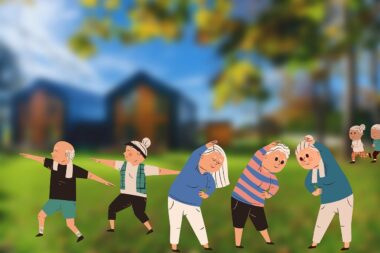

The Role of Aerobic Exercise in Preventing Heart Disease in Elderly
Aerobic exercise is a crucial aspect of maintaining cardiovascular health, especially for older adults. As age increases, the risk of heart disease rises significantly due to changes in heart function and blood vessels. Engaging in regular aerobic activities helps improve heart efficiency and overall cardiovascular function. Different forms of aerobic exercise, including walking, cycling, and swimming, can be tailored to individual capabilities. Each of these activities enhances circulation and improves oxygen utilization by the body, contributing to better overall health. In addition to enhancing cardiovascular endurance, aerobic exercise aids in weight management, which is crucial for reducing heart disease risks. Studies have shown that older adults who participate in consistent aerobic routines experience lower blood pressure and improved cholesterol levels. Therefore, the incorporation of aerobic exercise into daily routines is essential for elderly individuals. This not only promotes a healthy heart but also improves longevity. It is important to consult healthcare professionals before starting any new exercise regimen, ensuring safety and appropriateness based on individual health conditions.
The relationship between aerobic exercise and heart disease prevention is well-documented. Regular participation in aerobic activities can help reduce the buildup of plaque in arteries, often leading to heart attacks and strokes. This plaque buildup can be influenced by several factors, including diet, lifestyle, and exercise habits. Aerobic exercise plays a significant role in this context, as it helps lower LDL cholesterol and raise HDL cholesterol levels effectively. Walking at a steady pace for 30 minutes several times a week can significantly lessen cardiovascular complications in elderly populations. Additionally, engaging in group aerobic classes can foster a sense of community and social interaction, vital for mental health among seniors. As heart disease can sometimes lead to debilitating conditions, staying active is a preventative measure that can benefit individuals for years to come. Furthermore, aerobic exercise promotes better blood flow, enhancing the delivery of essential nutrients to organs and tissues. All these factors contribute to maintaining a healthy heart. In summary, aerobic exercise emerges as a cornerstone for enhancing cardiovascular health while combating heart disease risk.
Benefits of Aerobic Exercise
There are numerous benefits tied to aerobic exercise that go beyond heart health, especially in older adults. Aerobic activities not only improve heart function but also enhance respiratory efficiency, ultimately leading to increased endurance. As a foundational exercise type, it supports weight management and helps strengthen muscles, facilitating freer and more active lifestyles. Regular aerobic exercise can also significantly enhance mood, decreasing symptoms of anxiety and depression often observed in seniors. This is primarily due to the body releasing endorphins, chemicals known for their mood-lifting properties. In addition to psychological benefits, aerobic exercise improves sleep patterns, alleviating issues common in older adults. Enhanced sleep leads to better recovery and mental clarity throughout the day. Engaging in regular aerobic activity can be an enjoyable venture when it involves social interactions, such as classes or walking groups. This camaraderie fosters motivation and increases adherence to fitness goals. Ultimately, these benefits showcase the importance of aerobic exercise for longevity, improved quality of life, and overall wellbeing in the elderly population. Therefore, integrating these exercises into daily living is paramount for sustaining health.
Safety is a significant concern when considering aerobic exercises for older adults. As with any physical activity, precautions must be observed to prevent injuries or health complications. It is essential to start slow, especially if one has been inactive for a extended period. An initial consultation with a physician or a qualified fitness trainer can help tailor a safe and effective exercise program. Such programming should factor in existing health issues, mobility limitations, and overall fitness levels. Maintaining hydration and utilizing appropriate footwear can greatly minimize risks. It is crucial to listen to one’s body and recognize signs of fatigue or distress during exercise. The exercise environment should also be secure, free from hazards, ensuring older adults feel comfortable and safe while moving. Gradual progression in intensity ensures adaptation and improvement in fitness without overwhelming the body. Another consideration involves mixing different types of aerobic exercises to avoid overuse injuries and maintain engagement. In doing so, one can keep the routine fresh and enjoyable, fostering a lifelong commitment to physical activity. Commitments like these yield significant health dividends and provide a safer, more enjoyable approach to fitness.
Types of Aerobic Exercises for Seniors
There are various forms of aerobic exercises that can cater to the diverse needs of seniors. Walking remains one of the simplest and most effective forms of aerobic activity. It requires no special equipment and can be adjusted to individual fitness levels. Furthermore, brisk walking can easily be incorporated into daily activities. Swimming and water aerobics are also excellent options, providing resistance while minimizing joint strain. These activities take advantage of water’s buoyancy, allowing for a low-impact workout ideal for those with arthritis. Group fitness classes specifically designed for seniors can enhance the social engagement of exercise, providing motivation and accountability. Dancing can also serve as a fun aerobic option, allowing seniors to enjoy music while promoting cardiovascular health. Cycling, whether on a stationary bike or outdoors, is another adaptable choice suitable for various fitness levels. Lastly, chair aerobics can be beneficial for those with mobility challenges, enabling them to engage in a fitness routine safely. Thus, there is a wide range of enjoyable aerobic activities for seniors, ensuring they remain active and healthy while minimizing risks.
Nutrition also plays a critical role in supporting cardiovascular health alongside regular exercise. A balanced diet rich in fruits, vegetables, whole grains, lean proteins, and healthy fats can combat inflammation and support heart function. Omega-3 fatty acids, found in fish and nuts, are particularly beneficial for reducing fatty deposits in the arteries. Furthermore, monitoring sodium intake can aid in managing blood pressure levels. Proper hydration is equally important, as it contributes to optimal cardiovascular function and exercise performance. Vitamins and minerals, such as potassium and magnesium, also support heart health, making it essential for seniors to focus on nutrient-rich foods. Meal planning with these factors in mind can significantly enhance performance and recovery from aerobic exercise. More importantly, integrating healthy eating habits with exercise creates a holistic approach to heart health and disease prevention. As the heart strengthens, so does the overall quality of life. Practicing good nutrition in tandem with aerobic activity ensures that seniors can maintain active lifestyles for longer periods. Therefore, developing good habits in both areas secures ongoing health benefits for older adults.
Conclusion
In conclusion, aerobic exercise is paramount in promoting cardiovascular health and preventing heart disease among elderly individuals. With its broad range of benefits, including improved mood, weight management, and enhanced endurance, aerobic exercise ought to be part of every senior’s lifestyle. The combination of regular engagement in safe and enjoyable aerobic activities and good nutrition establishes a foundation for longevity and overall wellbeing. Tailoring exercise to individual capabilities ensures seniors remain active, while engaging in safe practices minimizes injury risks. Moreover, the social interactions stemming from group activities provide emotional support and motivation that foster adherence to exercise regimens. Thus, aerobic exercise is not just a tool for improving heart function; it also enriches lives by enhancing physical fitness and emotional wellness. As such, the need for community programs promoting senior fitness through aerobics becomes increasingly essential. Helping older adults understand and access these opportunities can play a significant role in their health during the golden years. Ultimately, the proactive steps taken towards aerobic exercise will yield positive outcomes, dispelling the notion that aging must slow down vibrant, fulfilling lifestyles.