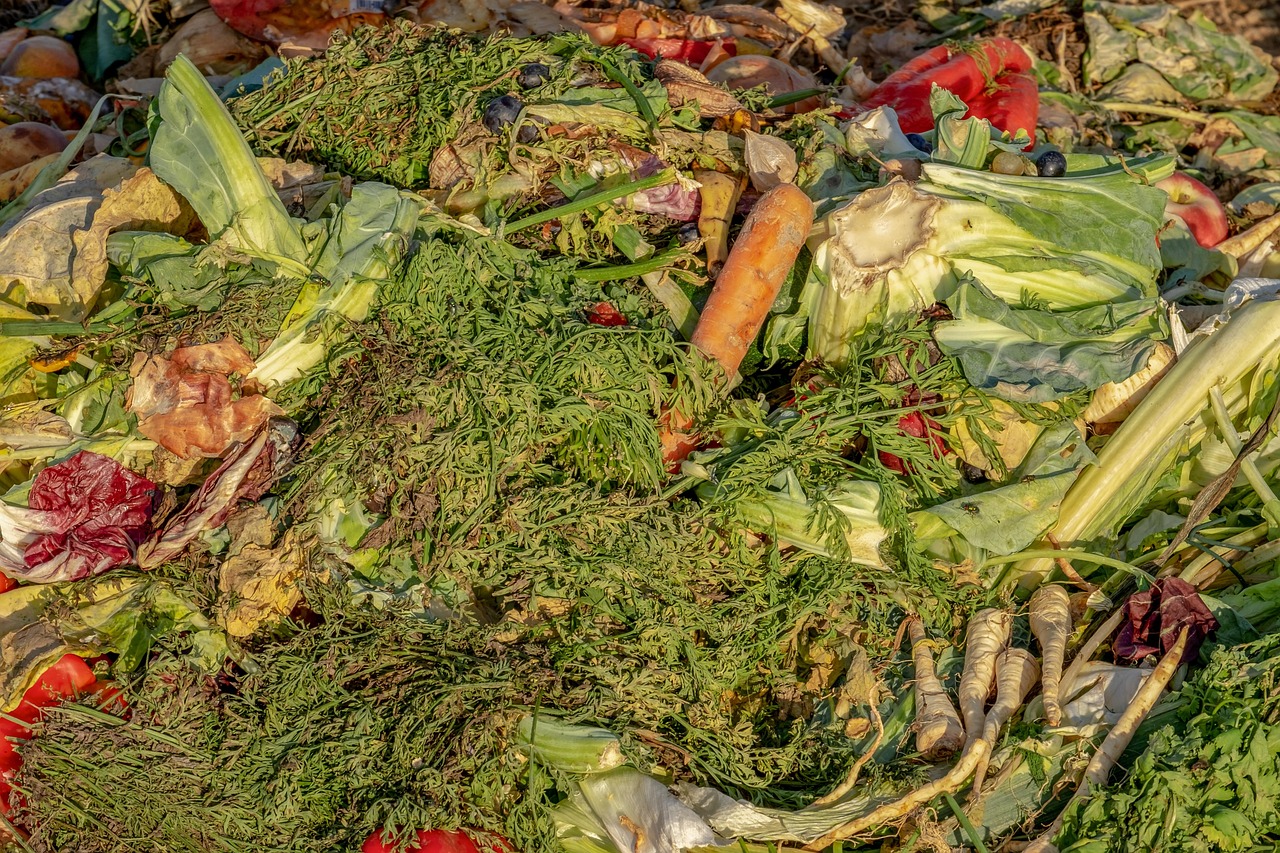

Role of Composting in Supporting Environmental Fitness Initiatives
Composting is an essential practice that significantly supports environmental fitness initiatives. It involves converting organic waste into nutrient-rich soil amendments through a natural process. This method not only reduces the volume of waste sent to landfills but also diverts organic materials that contribute to methane emissions if decomposed anaerobically. Composting can benefit everyone, from home gardeners to large-scale agricultural operations. By recycling food scraps, garden waste, and other organic materials, composting helps in building healthy soil. Healthy soil is vital for agriculture as it increases the soil’s ability to retain moisture, thereby contributing to sustainable farming practices. Furthermore, compost positively impacts plant growth, enhancing the biodiversity of ecosystems. It’s vital for communities to adopt composting practices to foster a more sustainable future. Educational initiatives can promote composting benefits and techniques, allowing people to understand how their actions influence the environment. As cities conduct awareness programs about composting, improved practices can lead to significant ecological benefits. Transitioning towards composting contributes positively not only to waste management but to overall ecological wellness, engaging individuals in environmental stewardship.
The benefits of composting extend beyond waste management to broader environmental impacts. By utilizing compost in landscaping and gardening, communities can enhance local biodiversity. The organic matter within compost enriches the soil, promoting a rich habitat for various organisms essential to ecology. This diversity increases resilience against pests and diseases, reducing reliance on chemical fertilizers and pesticides. Furthermore, composting plays a role in mitigating climate change through carbon sequestration in the soil. As organic matter decomposes, it stores carbon that would otherwise contribute to greenhouse gas emissions. Additionally, compost enhances soil structure, which improves water retention and reduces erosion. Communities embracing composting can experience reduced stormwater runoff, promoting cleaner waterways. To take action, neighborhoods can implement community composting programs that encourage participation. Such initiatives not only educate residents but also create shared spaces for processing organic materials. By participating, individuals develop a sense of community and pride in environmental stewardship. Innovative composting methods, like vermicomposting, use worms to further process organic waste into nutrient-rich compost, providing even better results for soil health. In summary, composting is crucial for environmental fitness, promoting a sustainable, resilient ecosystem.
Several composting methods exist, each catering to different needs and environments. Traditional composting consists of combining carbon-rich materials like dried leaves and nitrogen-rich items like food scraps in a compost bin. This method requires regular turning to aerate the pile, enabling proper decomposition. Alternatively, worm composting involves using red wigglers to accelerate the breakdown of organic matter. This method is ideal for small spaces, allowing urban dwellers to compost indoors. Bokashi composting is another innovative approach that uses anaerobic fermentation to decompose organic waste quickly. It’s particularly useful for food waste that’s challenging to compost, such as meat and dairy products. Furthermore, aerated static pile composting is a method suited for larger operations, allowing for large-scale processing without the need for manual turning. Each method has specific requirements regarding space, materials, and time, making it important to choose one that fits your lifestyle. By evaluating your resources, you can find a method that works best. For those interested in starting, trialing different methods may lead to discovering the most effective way to compost locally. Ultimately, promoting diverse composting techniques can boost community involvement and ecological wellness.
Compromise Between Convenience and Effectiveness
While various composting methods exist, a compromise must be made between convenience and effectiveness. Many people struggle with traditional composting because it requires ongoing maintenance to achieve optimal results. The goal is to create a balance that allows individuals to participate without feeling overwhelmed. Innovative solutions like compact composters or neighborhood composting hubs can help facilitate this balance. Convenience options make composting accessible for those who struggle with waste management at home. In urban areas, composting programs that collect organic waste directly enhance participation. These initiatives can significantly reduce trash while providing nutrient-rich materials to local gardens. The community can thus thrive along with enhanced gardens and landscapes. Through community education and engagement, participation can increase, leading to a collective improvement in environmental fitness. Additionally, supporting local composting businesses can further enhance community involvement. Involvement in such initiatives fosters a sense of belonging, allowing people to feel their contributions positively impact the environment. As more individuals partake in composting, the benefits of sustainability multiply, demonstrating that collective efforts can lead to significant change. The movement towards composting becomes an essential pillar of sustainability for cities throughout the world.
Composting promotes sustainable practices in various ways while educating the public about waste reduction. Communities can host workshops that teach individuals how to compost effectively at home. Engaging residents in the process enhances responsibility toward waste reduction and encourages family participation. As people learn about the benefits of composting, they become more conscious of consumption habits. Reducing waste at the source becomes a priority, as individuals seek to minimize their impact on the environment. By adopting composting, communities support local economies by creating demand for compost-friendly products. The market for organic soil amendments is growing due to increasing awareness of sustainable gardening practices. Local farmers and gardeners can benefit from composting as it provides them with rich, homemade fertilizers. Furthermore, educational programs can raise awareness about the environmental concerns related to landfill waste. It emphasizes that composting is not just an option but a necessity for sustainable living. As more programs arise, it is essential to ensure participants feel equipped to incorporate composting into their lives. Over time, awareness leads to systemic changes in waste management, demonstrating the necessity and desirability of composting, enhancing community responsibility.
The impact of composting on environmental health cannot be overstated. Its contribution to reducing landfill waste has long-term benefits for the planet. By composting, organic waste that decomposes contributes nutrients back into the earth’s ecosystem rather than contributing to pollution. This feedback loop creates a healthier environment which positively affects air and water quality. With proper organic waste management practices, communities reduce pollutants and toxic substances often found in landfill sites. Furthermore, the soil produced from composting can help in restoring degraded lands, improving biodiversity and ecosystems. When communities come together to embrace composting, they are also engaging in critical conversations around consumption, waste, and ecological footprints. This shift to environmentally conscious practices reflects a larger movement toward sustainability and environmental stewardship. As individuals engage in composting, it fosters a sense of unity and cooperation, driving collective efforts towards environmental fitness. Most importantly, governments can incentivize composting initiatives through grants and education programs, further supporting ecological efforts. By backing composting initiatives, communities can create systemic changes that prioritize environmental health as a fundamental value, ultimately ensuring a sustainable future for generations to come.
Conclusion: Embracing Composting for a Sustainable Future
Embracing composting as a widespread practice can significantly impact our environmental fitness initiatives. At its core, composting is about taking responsibility for our organic waste and recognizing its potential benefits. The collective effort of individuals, communities, and organizations will foster a culture around sustainability. As we incorporate more composting methods into our daily lives, we can reflect on the positive environmental contributions we make. Composting turns waste into invaluable resources, encouraging us to reduce, reuse, and recycle more effectively. Organizations can collaborate to create robust composting programs that serve the community’s needs, inspiring further participation. As neighborhoods unite towards common sustainability goals, the potential for change becomes immense. Since environmental fitness plays a crucial role in our future, our actions today shape tomorrow’s outcomes. Ensuring that composting is accessible and easy is essential in promoting its adoption. Each small effort contributes significantly, creating cleaner surroundings while promoting healthy ecosystems. In conclusion, embracing composting offers an exciting pathway towards ecological wellness, with the potential to foster long-lasting changes for both our communities and the planet.