
Meal Prepping with Sustainability in Mind
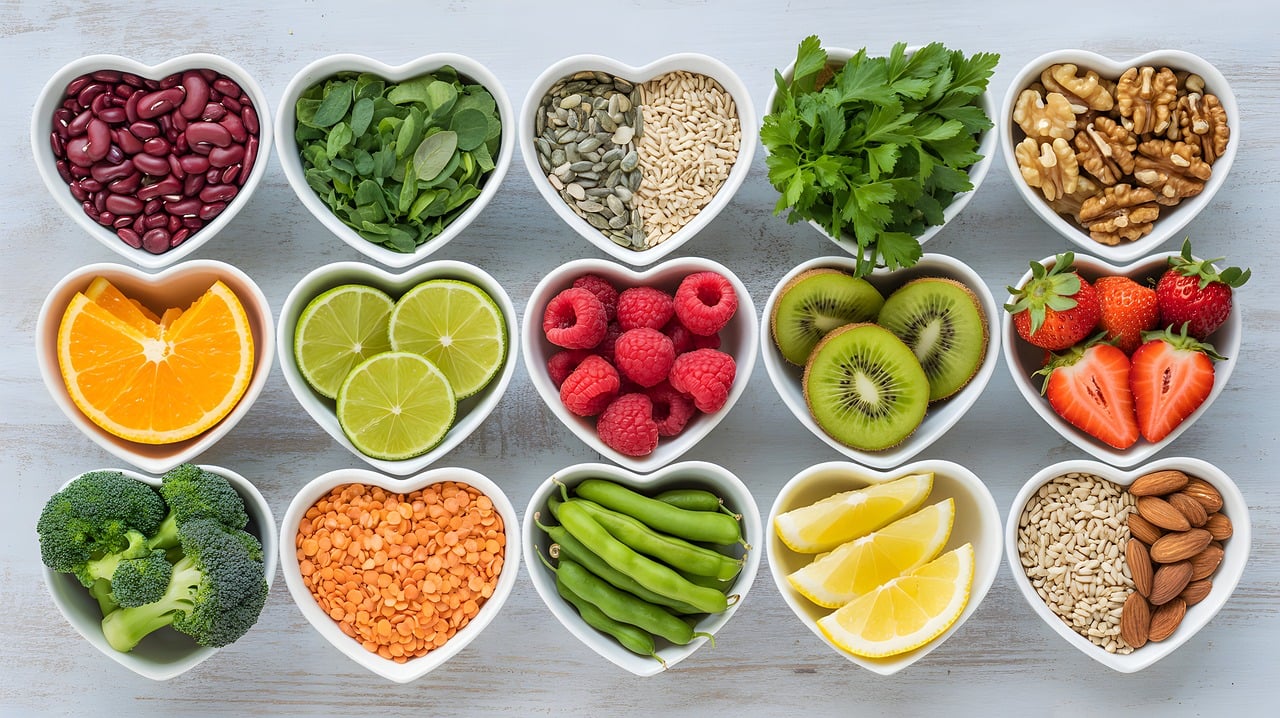
Meal prepping is a highly effective approach to maintaining a sustainable diet while promoting health and wellness. Embracing sustainable eating practices is vital for our environment. By organizing meals ahead of time, individuals can minimize food waste and reduce their carbon footprint. This technique allows you to buy in bulk, ensuring you use all ingredients efficiently. Choose local and seasonal produce whenever possible; this supports local farmers and reduces greenhouse gas emissions associated with transportation. Furthermore, adopting a plant-based meal prep strategy can significantly lower your environmental impact. Focus on incorporating legumes, whole grains, and seasonal vegetables into your weekly menus. These ingredients are not only nutritious but also environmentally friendly. When preparing meals, use reusable containers to reduce plastic waste. Opt for glass or stainless steel over single-use plastic containers. Take advantage of label makers or stickers to identify meal contents and dates. This helps you track freshness and reduces spoilage. With proper planning, meal prepping can save time and effort while promoting a sustainable lifestyle. Additionally, engaging in communal meal prep with friends or family can foster social connections while also prioritizing sustainable eating habits.
Investing in high-quality storage containers made from sustainable materials is essential. Look for containers labeled BPA-free or made from recycled materials. These options help your meals last longer while contributing to less waste overall. You may also consider incorporating ingredients that have a longer shelf life into your meal prep, such as frozen fruits and vegetables. Regularly rotating your stock and using older items first can contribute to minimizing food waste as well. When selecting recipes, consider making large batches of meals that can be easily frozen and consumed later. Dishes such as soups, stews, and casseroles tend to freeze well and maintain their flavors. This approach not only saves effort in the kitchen but can also help in reducing excess food that might otherwise go to waste. Moreover, utilizing every part of the food can enhance sustainability. For instance, vegetable scraps can be used to create homemade broths or added to compost piles to nourish your garden. Be strategic about your choices and consider food preservation techniques as essential tools in your sustainable eating journey. Focus on flavor, nutrition, and sustainability as you prepare for the week ahead, and you’ll see lasting benefits.
Choosing Ingredients Wisely
When meal prepping with sustainability in mind, choosing ingredients wisely is crucial. Selecting organic foods may be more beneficial as they are grown without harmful chemicals. However, affordability can be a concern for many consumers. A useful strategy is to prioritize purchasing organic options for certain produce items, especially those on the Environmental Working Group’s Dirty Dozen list, which highlights fruits and vegetables with the highest pesticide residues. This practice enables you to minimize exposure to toxins while being mindful of your budget. Besides organic options, incorporating bulk foods into your meal prep can also lead to cost savings and sustainable practices. Whole grains, beans, and spices often come at lower prices when purchased in bulk. This helps reduce packaging waste and encourages people to try new ingredients. Experimenting with diverse products expands your culinary repertoire and contributes to a more varied diet. Additionally, be mindful of the sourcing of your products. Supporting local farmers’ markets is an excellent way to obtain fresh produce while also reinforcing community sustainability. Stay informed about where your food comes from; aim to know the journey it takes from farm to plate. This connection can transform your perspective on food consumption.
To further enhance the sustainability of your meal prepping practices, you must also consider the nutrition of the meals you are preparing. Balanced meals that include a variety of nutrients contribute to overall health while maintaining the sustainability aspect. Aim for plant-based sources of protein, healthy fats, and plenty of fruits and vegetables. Incorporating fiber-rich ingredients helps to create satiating meals that won’t lead to overeating or food waste. When planning your meals, consider the nutritional value alongside your environmental responsibility. By promoting nutrient-dense meals, you’re encouraging healthier eating habits for you and your family, ultimately reducing the need for more frequent grocery shopping. A sensible practice is to always plan meals that use similar ingredients throughout the week, minimizing the chances of food going bad. For example, if you buy spinach, use it in salads, smoothies, and omelets to ensure you don’t waste it. Creating a grocery list before heading out can also contribute to a more sustainable approach. Stick to your list to avoid impulse purchases that can lead to waste. Embracing mindful shopping habits is essential when aiming for a sustainable diet. This unity of planning, prepping, and nutrition acts as a foundation for sustainable eating practices.
Creative Storage Solutions
Discovering innovative storage solutions can vastly improve your sustainable meal prep routine. Consider investing in silicone reusable bags, which are a fantastic alternative to single-use plastic bags. They are suitable for freezing and heating, allowing you to store a variety of foods efficiently. Moreover, participating in community-supported agriculture (CSA) can provide you with fresh, seasonal ingredients, often offering sustainable packaging options. Frozen produce can be preserved to enjoy later; however, ensure that your storage methods do not lead to overbuying. Before freezing, accurately label each bag so you can keep track of contents and usage dates. Incorporating jars and containers of different sizes can help segregate ingredients, making it easier for you to create meals from scratch. Additionally, being mindful of portion sizes is crucial in avoiding excess food waste. Meal prepping with appropriate serving sizes ensures you consume every ingredient while also helps to control your diet. You might also explore vacuum-sealing items, which can limit oxidation and extend the lifespan of your food. Experiment with different methods to determine what works best for your lifestyle. Invest in your kitchen with eco-friendly items that support your goal of a sustainable eating practice.
Incorporating seasonal ingredients is another vital aspect of sustainable meal prepping. Many fruits and vegetables are more flavorful and nutritious when harvested at their peak. Furthermore, buying seasonal items often reduces environmental impact due to decreased transportation distances. Check your local grocery stores and farmers’ markets for information on what’s in season, maximizing your meal prep’s sustainability. Not only does this support local economies, but it also encourages you to experiment with new recipes. You might also want to incorporate foraging into your sustainable eating practices. Learning to identify edible plants available in your area can become an adventure, greatly expanding your ingredients. By preparing meals with a variety of seasonal ingredients, you can create a unique and diverse menu each week, keeping your meals interesting. Being adaptable and creative in the kitchen can inspire healthier eating habits while making meal prep an enjoyable experience. When using seasonal produce, don’t forget to utilize every part of the fruit or vegetable, reducing waste in the process. Substitute ingredients based on seasonal availability, emphasizing your commitment to sustainability. This exploration can lead to newfound culinary skills, enhancing your sustainable meal prep journey.
Engaging Others in Sustainable Practices
Engaging family and friends in sustainable meal prep can significantly impact your journey towards a more responsible lifestyle. When you share meal preparation responsibilities, the experience can become more enjoyable and sustainable. Organizing a potluck with a focus on eco-friendly dishes encourages creativity while showcasing the importance of incorporating sustainability into our daily meals. This communal effort promotes shared values and inspires participants to adopt similar habits. Educating friends and family on the significance of meal prepping and its environmental benefits can ignite a passion for sustainable practices. Creating a friendly competition around meal prepping can also add an element of fun. Challenge one another to create meals that emphasize minimal food waste or utilize seasonal ingredients. Such initiatives can turn comforting routines into engaging and meaningful conversations about food sustainability. Additionally, use social media platforms to share your progress and seek inspiration from others who practice sustainable meal prepping. Documenting your journey builds accountability and enables you to connect with a broader community. The more engaged people become, the more they can advocate for sustainable practices within their households, emphasizing the importance of our environment in our culinary choices.
In conclusion, adopting sustainable meal prepping practices is a crucial step towards a healthier lifestyle and environment. It requires thoughtful planning, creativity, and adaptability to ensure that ingredients are used efficiently and nutritiously. From selecting local and seasonal produce to investing in eco-friendly storage solutions, every action contributes to a more sustainable future. Educating ourselves and those around us about the benefits of meal prepping can foster collaborative efforts in cultivating sustainable habits. By avoiding food waste and promoting healthy eating, we can take significant strides towards a responsible lifestyle. Remember, sustainable eating does not mean deprivation; it encourages exploration of new flavors and cooking methods. Involving others in your journey adds depth and camaraderie while reinforcing shared values. Through consistent practice and dedication, we can promote healthier habits for ourselves and our loved ones. As we embrace these practices, the cumulative effect can lead to significant change within our communities. Begin your journey today by implementing one or two sustainable meal prepping strategies, and watch as the benefits unfold. Together, we can make a difference, promoting health and sustainability for generations to come.