Top 10 Smart Rehabilitation Devices Transforming Fitness Recovery
The modern fitness landscape has been significantly transformed by technological advancements, particularly in the realm of smart rehabilitation devices. These devices are designed to enhance recovery processes for athletes and fitness enthusiasts alike. By utilizing innovative materials, data analytics, and connectivity, they provide personalized rehabilitation solutions that cater to individual needs. One of the most remarkable aspects of these devices is the integration of real-time data tracking, allowing users to monitor their progress closely. This feature not only encourages consistency but also enables immediate adjustments based on recovery metrics. Devices such as smart braces and recovery wearables are becoming increasingly popular, as they offer solutions that were previously unavailable. They foster an environment in which both professional athletes and recreational users can benefit from enhanced healing techniques. Furthermore, these devices often come equipped with mobile applications that facilitate a deeper understanding of the rehabilitation process. Users can engage with programs to manage their recovery effectively, making informed decisions about their fitness journeys. As technology continues to advance, the potential for improving recovery outcomes grows exponentially.
The advent of smart technologies in rehabilitation has given rise to several devices that redefine traditional recovery methods.
1. Smart Compression Therapy Devices
Smart compression therapy devices are at the forefront of rehabilitation technology. They deliver regulated pressure to specific body areas, aiding in reducing swelling and accelerating recovery. By using air compression or electrical stimulation, these devices effectively enhance blood circulation, promoting faster healing for injuries. Users can typically customize the intensity and duration of sessions through an app, which allows for tailored treatment based on personal recovery needs. The convenience of such devices means that athletes can use them at home or during training sessions. Professional sports teams are also integrating smart compression systems into their routines, contributing to improved performance post-injury. Beyond just recovery, these devices also help in muscle relaxation and tension relief. The portability of these smart rehabilitation devices ensures that users maintain flexibility in their recovery routines. As research continues to promote the effectiveness of compression therapy, it’s clear that these devices will play a pivotal role in the future of rehabilitation. Overall, smart compression therapy devices present a smart solution for anyone looking to optimize their recovery process.
2. Smart Neuromuscular Stimulation Devices
Another transformative category within the smart rehabilitation spectrum is neuromuscular stimulation devices. These gadgets employ electrical impulses to stimulate muscles, enhancing both recovery and strengthening efforts. Particularly useful for individuals recovering from injuries or surgeries, these devices can help rehabilitation by activating dormant muscles. By promoting muscle contraction, users can prevent muscle atrophy, ensuring a quicker return to full strength. Many of these devices feature targeted programs tailored to various injuries, making them incredibly versatile. Users can adjust settings based on their comfort levels, which is crucial in the rehabilitation process. Applications provide detailed feedback on muscle engagement and performance metrics, allowing informed adjustments to the program. The therapeutic benefits make them invaluable for athletes and casual fitness enthusiasts alike. Additionally, some neuromuscular stimulators can be used to alleviate pain and improve overall muscle function. Studies suggest these devices can significantly reduce recovery time for athletes. As awareness grows and technology develops, neuromuscular stimulation devices are likely to see increased adoption among fitness communities seeking effective rehabilitation strategies.
3. Smart Physical Therapy Robots
Smart physical therapy robots have emerged as innovative tools for rehabilitation, providing unprecedented support for users undergoing recovery. These robotic systems assist with repetitive exercises, ensuring that patients receive a consistent therapy regimen. By guiding users through their rehabilitation exercises, these robots significantly improve both adherence and outcomes. The data collected during sessions enable therapists to monitor progress in real-time. This feedback can help in modifying therapy plans based on the patient’s performance. Moreover, the use of robots helps bridge the gap in physical therapy access, providing assistance in areas where qualified therapists may be limited. Some advanced models feature interactive programs that can engage users, making rehabilitation less monotonous and more enjoyable. With enhanced precision, these devices can target specific muscle groups to speed up recovery times. Robotic therapy systems also cater to diverse conditions, making them applicable across various patient demographics. Rehabilitation through robotics is paving the way for more personalized therapy experiences. As these devices evolve, it’s probable they will bridge the gap between traditional therapy and technological advancements in rehabilitation.
4. Smart Wearable Sensors
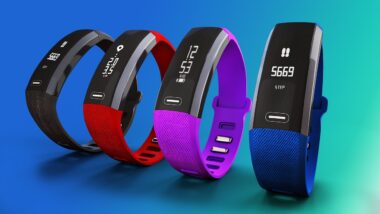
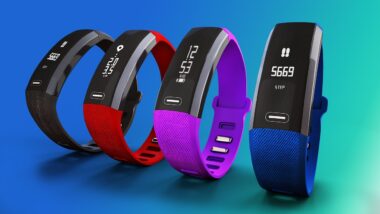
Smart wearable sensors are revolutionizing the field of rehabilitation by providing continuous feedback and monitoring during recovery. These gadgets can be attached to different body parts, collecting data on movement patterns, range of motion, and even muscle strain. Users benefit by receiving real-time insights into their recovery process, allowing for timely adjustments. The application of these sensors promotes a proactive approach to rehabilitation. They often come with features that send alerts when users exceed prescribed limits, thus preventing further injuries. Integration with mobile applications ensures that data is easily accessible and can be shared with healthcare providers for comprehensive evaluations. Research indicates that the use of smart wearables can significantly improve the understanding of how one’s body responds during rehabilitation. As a result, patients can adopt more effective exercises tailored to their specific conditions. Beyond injury recovery, these sensors can also be utilized for performance enhancement in athletes. The combination of continuous monitoring and statistical analysis offers invaluable data that fuels better fitness practices. Advancements in sensor technology will continue to lead to improvements in rehabilitation outcomes.
5. Smart Hydrotherapy Systems
Smart hydrotherapy systems bring a unique approach to rehabilitation, utilizing water’s buoyant properties for healing effects. These systems often boast temperature and pressure controls that enhance the therapeutic experience, promoting relaxation and easing muscle tension. Users can manually adjust settings to create an environment conducive to their recovery needs. By integrating underwater therapy with technology, these devices enhance traditional hydrotherapy practices to provide accelerated recovery. Sensors can monitor the patient’s progress and health metrics in real-time, delivering personalized treatment plans. Athletes frequently use smart hydrotherapy as part of their post-exercise regimen due to its effectiveness in reducing soreness. Additionally, hydrotherapy aids in injury recovery by providing a low-impact solution for movement. This is especially beneficial for those dealing with chronic pain or post-surgery recovery. As systems evolve, we may see an increase in at-home hydrotherapy options that mirror this advanced technology. The intuitive nature of smart hydrotherapy encourages consistent use, making it a reliable choice for rehabilitation. As technology continues to innovate in this area, its potential for transforming recovery processes is limitless.
6. Smart Pain Management Devices
Pain management can be one of the most challenging aspects of recovery, and smart pain management devices offer several innovative solutions. These devices often combine multiple therapeutic techniques, such as transcutaneous electrical nerve stimulation (TENS) and thermal therapy, to alleviate discomfort. By targeting specific pain areas, users can experience relief without the need for pharmaceutical interventions. Many smart pain management tools come equipped with mobile applications that provide guidance and can track pain levels over time. This feature enables users to evaluate their progress and adjust treatment sessions accordingly. The ability to manage pain efficiently promotes better adherence to rehabilitation plans. There’s also a psychological aspect to using these devices; incorporating technology helps users feel more in control of their recovery journeys. Continuous advancements are being made in this field, with research indicating that smart pain management strategies can enhance overall rehabilitation outcomes. As these devices become more prevalent, they stand to make a considerable impact in not only recovery but also in chronic pain management strategies.
7. Conclusion: The Future of Smart Rehabilitation Devices
As we look toward the future of smart rehabilitation devices, the potential for improving recovery outcomes is promising. Emerging technologies continue to drive innovation, which enhances how individuals interact with rehabilitation tools. Companies are innovating ways to make these devices more user-friendly while maximizing their therapeutic benefits. With the uprising of artificial intelligence and machine learning, we can expect more personalized rehabilitation experiences tailored specifically to individual needs. The integration of various technologies into a single device is likely to become the norm, offering comprehensive solutions that address different aspects of recovery. The evolution of smart rehabilitation devices is also likely to democratize access to rehabilitation solutions, making them available to a broader audience. Moreover, as awareness increases, more individuals will understand the benefits of using smart technologies for their recovery journey. This shift will lead to higher adoption rates and integration into traditional healing methodologies. As the fitness world embraces technology, smart rehabilitation devices will remain at the forefront of recovery strategies, fundamentally changing how people approach injury and rehabilitation.