
The Impact of Fitness on Men’s Mental Health: Inspirational Narratives
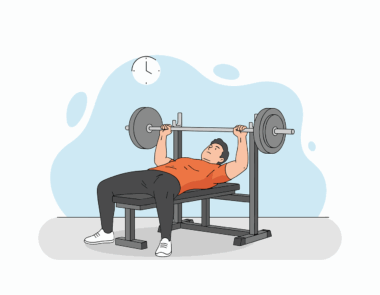
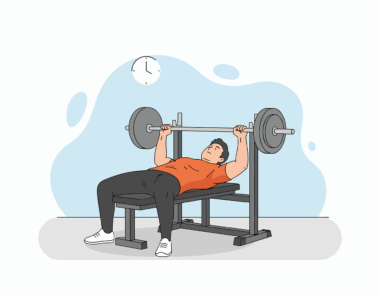
Fitness has become a pivotal aspect of men’s lives, not just for physical well-being but also for mental stability. Numerous studies indicate that regular exercise can significantly alleviate symptoms of anxiety and depression. Engaging in workouts, whether through strength training or cardio, releases endorphins which are natural mood lifters. These positive effects can lead to improved self-esteem, greater resilience to stressors, and enhanced motivation. Men dealing with emotional challenges often find solace in fitness, creating an outlet that fosters both mental and emotional well-being. For many, the gym or park becomes a sanctuary, a place away from daily pressures. Inspirational stories abound of men who transformed their lives through fitness. They not only shaped their bodies but also redefined their mental landscapes, proving that the journey to fitness can lead to profound personal growth. Whether it’s a young man overcoming his past or a seasoned individual finding a new purpose, these narratives illustrate the interconnectedness of physical and mental health. In a world where mental health struggles are prevalent, it is essential to highlight such inspirational stories that resonate with many.
Another compelling aspect of men’s fitness is the community that develops around this shared interest. As men engage in workouts or join sports teams, they connect with others, forming a support system that plays a vital role. This sense of belonging can greatly enhance one’s mental health, facilitating friendships that may last a lifetime. Group classes or team sports create environments where camaraderie thrives. For instance, men participating in group fitness classes often encourage one another, celebrating milestones together. Exploring how these supportive environments foster mental health is crucial. The social interactions that occur during workouts contribute to emotional resilience. Many men report that the relationships built through fitness have been vital in overcoming challenges in life. It allows an outlet for communication about struggles, creating a safe space to address concerns. Sharing fitness goals with friends or teammates can elevate motivation significantly, encouraging individuals to push beyond their limits. Through these interpersonal connections, men often discover they are not alone in their journeys. This realization can empower them to tackle both physical and mental health challenges more effectively.
Redefining Masculinity through Fitness
Traditionally, masculinity has surrounded physical strength and toughness, traits often linked to societal expectations. However, fitness is reshaping this narrative, allowing men to explore vulnerability and emotional expression. Engaging in physical activity encourages men to confront their fears, break stereotypes, and redefine what it means to be strong. Many have found that sharing their fitness struggles leads to deeper conversations about mental health. This shift is healing, as it encourages emotional honesty and connection among men. It provides a platform to discuss mental health openly without fear of stigma. For instance, men coming forward with their fitness journeys often mention how confronting physical challenges reflects their internal battles. They find empowerment in sharing this journey publicly, inspiring others to take action. Fitness thus becomes a tool for teaching resilience, which extends far beyond the gym. Mental fortitude emerges alongside physical strength, showcasing that seeking help or admitting to struggles is also a sign of strength. The cultural shift toward prioritizing mental wellness alongside physical health encourages a new generation to embrace holistic well-being.
Another powerful narrative arises from veterans who have used fitness as a method of coping with post-traumatic stress disorder (PTSD). For many veterans, returning to civilian life is riddled with challenges, including emotional turmoil and feelings of isolation. Through various fitness programs specifically tailored for military personnel, these individuals regain control over their lives. By engaging in intense physical training, they not only find an outlet for their stress but also connect with fellow veterans who share similar experiences. This shared understanding fosters brotherhood and healing. Overcoming physical challenges creates a sense of achievement, which can slowly translate into mental healing. Journals filled with experiences of transformation highlight remarkable recoveries. Many recount how their fitness journey provided clarity, hope, and a renewed sense of purpose. Through running, weightlifting, or other activities, veterans remind us that fitness can serve as a pathway to healing. Their stories not only inspire others but also educate society on the importance of supporting mental health initiatives for all individuals, especially those who have served.
Fitness and Mental Clarity
One of the lesser-known benefits of fitness is its powerful impact on mental clarity and focus. Regular physical activity stimulates cognitive functions, enhancing memory and concentration, which can significantly improve that quality of life. Men often find that engaging in fitness activities sharpens their thinking and helps clear mental fog. For instance, after intense exercise, many report feeling more focused and productive. The release of neurotransmitters during workouts leads to enhanced creativity and problem-solving abilities. This phenomenon is extensively supported by research, highlighting that individuals who exercise regularly show increased brain performance. Fitness can act as a natural antidote to burnout and fatigue that many experience in today’s fast-paced world. Instead of relying solely on caffeine or quick fixes, establishing a workout routine proves to be a more sustainable approach to mental well-being. It empowers men not only to tackle everyday challenges with vigor but also to engage in deeper reflection and planning for their futures. Combining mental health strategies with fitness practices creates a holistic approach that fosters both physical and cognitive strength.
Inspirational stories of fitness progress often showcase determination and resilience, encouraging others to embark on their journeys. Social media platforms have transformed how these narratives are shared, with fitness gurus and enthusiasts posting before-and-after pictures. These transformations illustrate tangible changes, prompting followers to reconsider their health choices. Yet, the emotional narratives stemming from these journeys often resonate even more deeply. Men who share their struggles with body image and mental health reveal that fitness was not merely about aesthetics but about reclaiming their identity. They emphasize that the confidence gained through achieving fitness goals translates into various life areas. From improving personal relationships to advancing careers, the impact is profound. As men witness their physical transformations, many report feeling empowered to tackle deeper issues and embrace life changes. This communal sharing of journeys not only promotes accountability but also inspires those who may feel hopeless about their circumstances. By reinforcing that change is attainable through commitment and hard work, these personal accounts uplift and motivate countless others to begin their own transformation stories.
Conclusion: Embracing Change Through Fitness
In conclusion, the impact of fitness on men’s mental health is profound. Exploring inspirational stories about the transformative nature of physical activity can serve as powerful motivators. The journey to fitness is not solely about physical change; it encompasses emotional healing, personal growth, and social connection. Advocating for men to participate in fitness-oriented activities balances mental and physical health, allowing them to support one another. In a society where men often struggle with expressing their vulnerabilities, fitness provides a platform for these crucial conversations. By listening to these impactful narratives, we can inspire a shift toward greater awareness and action for mental health issues. Encouraging men to embrace fitness as part of their mental health strategies allows them to build resilience and promotes a more profound understanding of self-care. These stories challenge traditional notions of masculinity, fostering an environment where vulnerability is celebrated rather than stigmatized. Ultimately, fitness emerges as a remarkable tool, intricately linked to men’s mental health, serving as a catalyst for change, healing, and personal empowerment.