
Setting Realistic Fitness Goals Post-Injury
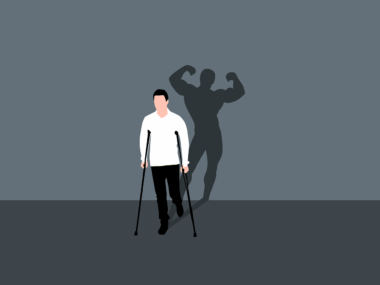
Recovering from an injury can be a challenging journey, especially when attempting to return to your fitness routine. It’s crucial to set realistic fitness goals that accommodate your recovery process. Start by assessing your current physical condition after the injury, taking into consideration any limitations imposed by your rehabilitation. Understanding these boundaries is essential for creating attainable targets. Begin with small milestones, such as regaining your range of motion or building strength in specific areas. These goals should not only focus on physical improvements, but also on mental and emotional aspects of fitness, ensuring a holistic recovery.
Establishing a timeline for your recovery can help in crafting effective fitness goals post-injury. Consult your healthcare provider to gauge the expected timeframe for healing and the likelihood of returning to your previous fitness level. With this information, you can create a structured plan that allows for gradual progression instead of pushing beyond your limits. This timeline will also help you stay motivated throughout the recovery process, as achieving smaller goals along the way can improve your confidence. It is critical to listen to your body and adjust your standards as necessary.
Focus on Strengthening the Injured Area
Specific strength training can assist you in your recovery journey. Concentrate on exercises tailored to reinforce the injured area while avoiding activities that may exacerbate the situation. Activities like physical therapy or low-impact exercises can encourage healing while maintaining your overall fitness level. Additionally, integrating flexibility and mobility routines—like yoga or stretching—will aid recovery and improve performance in the long run. Striking a balance between rehabilitation and fitness is vital for regaining confidence and overall health after an injury, thereby helping to prevent future setbacks.
Having a support system can be beneficial when setting realistic fitness goals post-injury. Engaging family and friends or relying on a personal trainer for encouragement can help sustain motivation. Sharing your goals and recovery process with others can provide accountability and emotional support. Don’t hesitate to seek out fitness communities, whether online or in-person, to gain insights from others who have experienced similar challenges. Sharing tips and strategies can enhance your understanding of the recovery process while allowing you to remain engaged in your fitness journey during rehabilitation.
Track Your Progress
Monitoring your advancement is essential for maintaining motivation and reassessing your goals as needed. Document your workouts, dietary habits, and recovery milestones to visualize how far you’ve come. Tracking your progress provides insight into what works best for you during recovery, allowing for necessary adjustments to your approach. Use a journal, a mobile app, or fitness trackers to monitor your achievements consistently. By celebrating small victories, you’ll foster a positive relationship with fitness and appreciate the efforts required for a successful recovery.
Incorporate cross-training methods to diversify your fitness approach during recovery. Low-impact options such as swimming, cycling, or resistance training can allow you to maintain fitness while still prioritizing recovery. These activities will provide a break from your regular routine, challenging your body in different ways while protecting the injured area. Incorporating variety may prevent monotony and spur continued engagement. Consult with your healthcare team to ensure that your cross-training activities remain safe and suitable for your specific recovery plan.
Be Patient with Your Recovery
Patience is crucial when recovering from an injury, especially when working towards fitness goals. Understand that recovery is not a linear process; setbacks may occur, requiring adjustments to your expectations. Embrace a positive mindset, knowing that progress will come with time and dedication. Focus on what you can do instead of what you cannot, allowing you to appreciate every step forward. Acknowledge your efforts and victories along the way, reinforcing your motivation and commitment to achieving your ultimate fitness goals.
Ultimately, setting realistic fitness goals post-injury is vital for a successful recovery experience. Emphasizing a holistic approach, patience, and support can significantly enhance the process. Engage with healthcare professionals and fitness communities to ensure you are creating achievable objectives tailored to your needs. While your journey may encounter obstacles, remember that overcoming these challenges is an essential part of growth. By cultivating a resilient mindset, you’ll set the foundation for a healthier lifestyle and return to your fitness pursuits with renewed energy and determination.