How Krav Maga Builds Confidence and Assertiveness
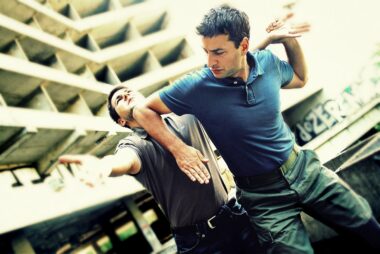
Krav Maga is not just a martial art; it is a unique system designed for real-world self-defense. This approach focuses on practical techniques, promoting adaptability and survival skills. When practicing Krav Maga, individuals experience an incredible boost in self-assurance. This transformation helps students confidently navigate different social situations and assert their opinions. Central to Krav Maga is the principle of defense against threats, and mastering these techniques empowers practitioners. They develop the skills necessary to respond to aggression effectively. Moreover, training in Krav Maga challenges individuals physically and mentally. Regular practice provides a sense of accomplishment, unlocking inner potential many never knew existed. With dedicated practice, they learn to face and overcome their limitations. This experience fosters self-belief and reliability in personal abilities. As people become more proficient in the techniques, they realize they can handle more than they initially thought. Furthermore, confidence extends beyond the dojo; it seeps into their daily lives, affecting relationships and career opportunities favorably. Practicing Krav Maga offers a holistic approach to self-improvement, combining fitness, mental resilience, and assertiveness.
As practitioners progress through various skill levels in Krav Maga, they not only acquire techniques but also develop a stronger sense of self. The collaborative environment during training sessions encourages mutual respect and teamwork, enhancing social skills. Students learn from each other, sharing insights and experiences, while building a network of supportive friends. This community provides a safe space for individuals to express vulnerabilities, fostering openness in an often competitive world. Additionally, instructors emphasize the importance of mental preparedness. Not only do they teach combat techniques, but they also focus on teaching students how to recognize and avoid dangerous situations. By cultivating this awareness, individuals learn to engage with their surroundings confidently. Completing challenges during training further enhances feelings of accomplishment. Each achieved goal reinforces self-worth, which eventually leads to open communication and assertiveness in daily life. Krav Maga’s training methods also hone one’s decision-making skills, forcing individuals to think quickly under pressure. This aspect of training becomes crucial in real-life confrontations. The ability to make decisions in stressful circumstances builds an undeniable confidence that can influence interactions positively.
The Impact of Physical Fitness
Physical fitness achieved through Krav Maga training plays a significant role in enhancing confidence levels. Students engage in intense workouts that improve their strength, speed, and stamina. These physical improvements directly contribute to a greater sense of self-efficacy. As they observe changes in their bodies, the increase in overall fitness spurs a more positive self-image. This improvement encourages them to step out of their comfort zones, trying new activities or approaching challenging social interactions. In a Krav Maga class, participants constantly challenge their limits through rigorous training drills. These drills not only prepare them to defend against physical threats but also build endurance and resilience. Over time, this relentless pursuit of improvement transforms the way they view challenges outside the training area. They learn to embrace obstacles, viewing them as opportunities for growth rather than insurmountable barriers. The collective effect of physical strength and endurance establishes a sense of empowerment. Practitioners operate with assurance, knowing their bodies can perform effectively. This sense of fitness becomes intertwined with assertiveness, impacting how they communicate and respond to various situations.
Moreover, the psychological benefits gained from Krav Maga practice exceed beyond physical advancements. Mental fortitude is a crucial component of the system. The program encourages individuals to confront fears and anxieties head-on. Practitioners learn to push through discomfort, fostering an indomitable spirit that translates into confidence. Consistently facing their fears helps them understand that they are capable of overcoming hurdles. This mindfulness aspect of Krav Maga promotes self-awareness and emotional control. As individuals gain better control over their reactions, they develop enhanced communication skills. They learn to assert themselves with clarity and ease, expressing their thoughts without hesitation. Additionally, this journey towards assertiveness includes setting personal boundaries. Practitioners understand the importance of saying no and protecting their space, contributing to healthier relationships. Every practice session reinforces these lessons, making it easier to implement them in daily life. Such transformations extend beyond immediate interactions, fostering a ripple effect in various relationships. Colleagues, friends, and family begin to notice the difference too, which in turn serves as positive reinforcement, further fueling their growth.
Building Resilience Through Sparring
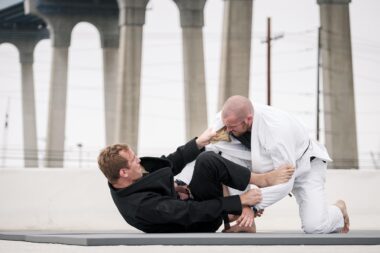
Incorporating sparring sessions into Krav Maga training is vital to developing resilience. Sparring creates a dynamic environment where students can test their skills against an opponent. Facing someone who mimics real-world scenarios helps create a deeper understanding of techniques. This experience helps students gauge their abilities while also identifying areas needing improvement. The physical contact involved during sparring prepares them for unexpected encounters outside the dojo. The confidence built becomes innate, preparing them to handle encounters efficiently. Emphasizing resilience leads to an adaptable mindset. Students learn to recover quickly after a setback, cultivating grit. The constant exposure to challenges during sparring builds the ability to accept risks and tackle adversity head-on. Additionally, participants discover the significance of effective communication within sparring. Strong partnerships evolve as students navigate movement and intent, promoting cooperation during combat. These experiences enhance assertiveness, as practitioners learn to express their needs and preferences clearly. Consequently, they find themselves engaging more positively within peer and professional environments. This transformation is paramount for their growth as they embody resilience and confidence in both personal and public settings.
Furthermore, Krav Maga evokes a culture of respect, essential for nurturing confidence and assertiveness. In every session, students learn not just the techniques but also the values surrounding martial arts. Respect among peers fosters a safe and inclusive environment. This strengthens camaraderie while allowing individuals to voice their opinions without fear. These basic principles empower students by reinforcing the importance of mutual respect and understanding. They harness a strong sense of belonging, which is essential in promoting self-esteem. The culture instilled within the training sessions translates into other areas of life. Practitioners carry these lessons into workspaces, community engagements, and social gatherings. They become individuals who stand firm in their beliefs and convey their thoughts effectively. Moreover, the ability to navigate challenges gracefully allows practitioners to foster healthier relationships. This collaborative approach encourages open discussions, bridging gaps in understanding. The more individuals practice these values, the better they become in asserting themselves tactfully and respectfully. As a result, they grow into well-rounded individuals who not only trust themselves but also engage positively with those around them.
Conclusion: A Journey of Transformation
Ultimately, practicing Krav Maga transcends self-defense; it is an ongoing journey of personal transformation. The skills acquired strengthen both body and mind, leading to growth that extends beyond the mat. As practitioners embrace this journey, they cultivate profound confidence and assertiveness. The experiences shared within the training community create a support network fostering resilience and self-assertion. Additionally, the principles learned in self-defense translate effectively into daily life. Participants step into their lives with renewed vigor, tapping into the mental strength necessary to tackle challenges head-on. These transformations also positively impact their interactions with others. Embracing assertiveness enables clear communication while respecting personal boundaries. In summary, individuals in Krav Maga not only acquire self-defense skills, but they also develop into empowered individuals ready to face the world. This unique journey builds a strong foundation for achieving personal and professional aspirations. By continuing their practice and dedication, participants unlock the incredible potential within themselves, influencing others around them. Every class becomes a step towards a more confident, empowered self, embodying the essence of Krav Maga.
As practitioners progress through various skill levels in Krav Maga, they not only acquire techniques but also develop a stronger sense of self. The collaborative environment during training sessions encourages mutual respect and teamwork, enhancing social skills. Students learn from each other, sharing insights and experiences, while building a network of supportive friends. This community provides a safe space for individuals to express vulnerabilities, fostering openness in an often competitive world. Additionally, instructors emphasize the importance of mental preparedness. Not only do they teach combat techniques, but they also focus on teaching students how to recognize and avoid dangerous situations. By cultivating this awareness, individuals learn to engage with their surroundings confidently. Completing challenges during training further enhances feelings of accomplishment. Each achieved goal reinforces self-worth, which eventually leads to open communication and assertiveness in daily life. Krav Maga’s training methods also hone one’s decision-making skills, forcing individuals to think quickly under pressure. This aspect of training becomes crucial in real-life confrontations. The ability to make decisions in stressful circumstances builds an undeniable confidence that can influence interactions positively.