
Exploring Spiritual Symbols in Yoga Practice
Yoga is a profound practice that not only focuses on physical postures but also delves into spiritual dimensions. Practicing yoga allows individuals to connect with deeper aspects of themselves and the universe. Spiritual symbols play a vital role in enriching this connection. These symbols often convey ancient wisdom and serve as powerful tools for personal transformation. For example, the lotus flower symbolizes purity and enlightenment, reminding practitioners of their spiritual journey. Similarly, the Om symbol represents the universe’s essence and the interconnectedness of all beings. By incorporating these symbols into our practice, we not only enhance our understanding but also create a sacred space. In many traditions, specific mudras or hand gestures are associated with these symbols. Each mudra has unique meanings and benefits, often tied to spiritual intentions. The integration of symbols can transform a yoga practice into a more profound spiritual experience. They serve as anchors for meditation, helping practitioners focus their minds while evoking deeper meanings. Embracing these spiritual symbols can lead to greater self-awareness and harmony within.
Understanding Key Spiritual Symbols
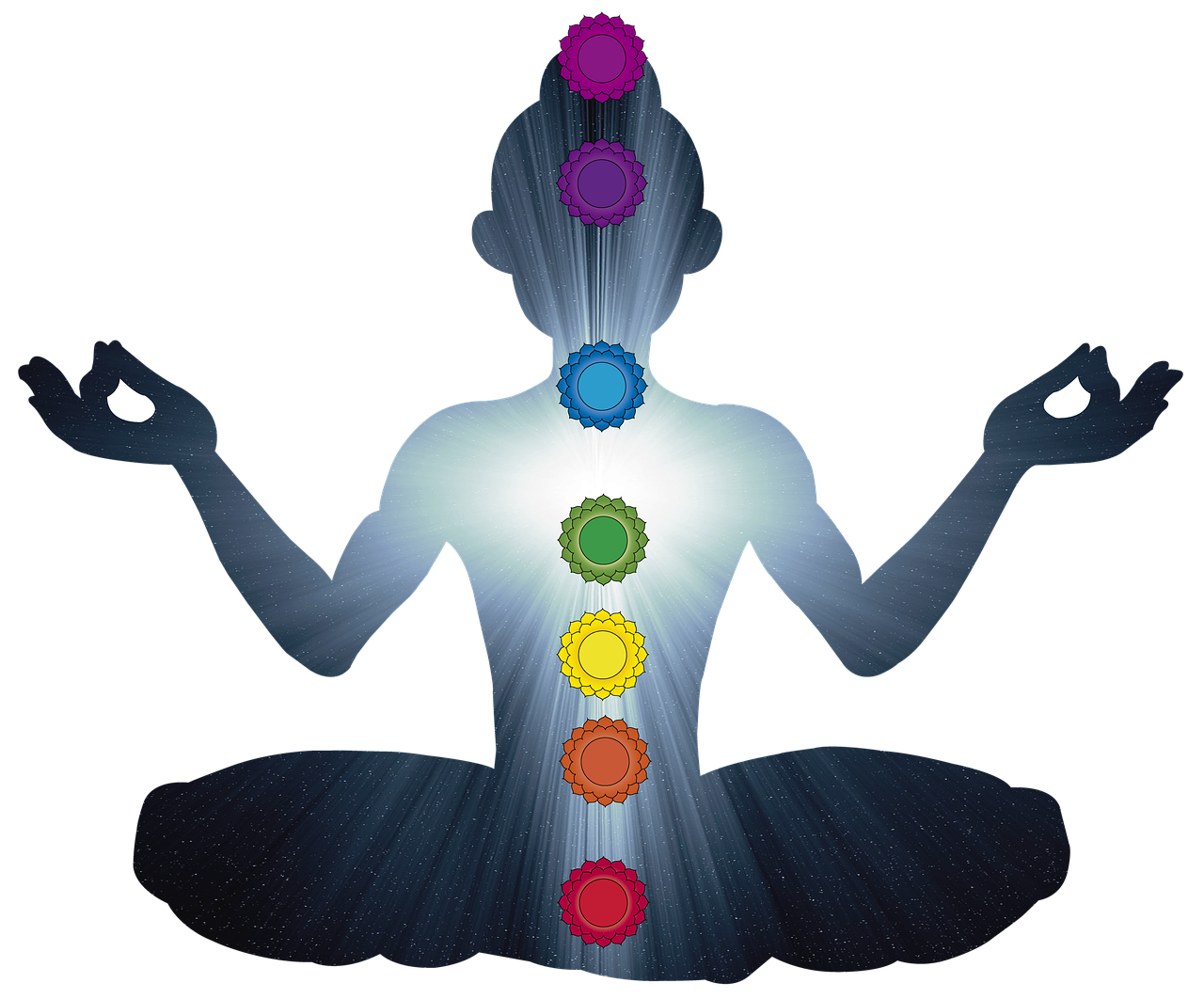
The understanding of key spiritual symbols can significantly enhance one’s yoga practice. Each symbol embodies a specific lesson or quality essential for personal growth and spiritual awareness. For instance, the chakras are more than just energy centers; they symbolize various dimensions of human experience. The root chakra, located at the base of the spine, signifies stability and connection to the earth. In contrast, the crown chakra represents enlightenment and connection with the divine. Engaging with these symbols during yoga can invite introspection and healing, making the practice richer. Another important symbol is the infinity sign, representing the interconnectedness of life and the continuous journey of growth. Practitioners can visualize these symbols during their practice, infusing their movements with intention. Learning about these symbols opens the door to understanding their significance and integrating them into daily life. Furthermore, many yoga studios incorporate these signs into their artwork, creating an inspiring atmosphere. Ultimately, as one develops these connections, their practice begins to transcend the physical and become a journey of the spirit.
In exploring the significance of spiritual symbols, one must consider their historical context. Many symbols date back to ancient civilizations, carrying meanings that have evolved over centuries. For example, the mandala is a geometric figure representing the universe in Hindu and Buddhist traditions. Its intricate patterns symbolize the cosmos and the connection between the physical and spiritual. Practicing with mandalas can enhance meditative focus and facilitate entry into higher states of consciousness. By incorporating practices like yantra meditation, practitioners can experience a visual representation of their spiritual objectives. This deepens the understanding of their life paths, encouraging a proactive approach to spiritual growth. Moreover, the concept of Svadhyaya or self-study emphasizes the need to reflect on personal symbols and their meanings. Each individual’s yoga journey can bring personal symbols to light, allowing for much-needed introspection. By recognizing these symbols, practitioners can cultivate greater mindfulness. The connection between the physical postures and the essence of these symbols ultimately creates a holistic approach to yoga that resonates on multiple levels.
Connecting Spiritual Symbols with Yoga Postures
Connecting spiritual symbols with yoga postures creates a holistic experience for practitioners. Each asana or pose can embody specific energies that resonate with various symbols. For instance, the Tree Pose (Vrksasana) relates to the stability and depth symbolized by the tree of life. This pose fosters a sense of grounding while reminding practitioners of their roots. Similarly, the Warrior Pose (Virabhadrasana) conveys the strength and courage often associated with mythical figures in spiritual traditions. Engaging in these postures while contemplating the associated symbols encourages a deeper connection to one’s practice. It is essential to acknowledge how these poses can facilitate internal reflection. Each movement can be approached as a meditation, magnifying awareness of the body, mind, and spirit. Concentrating on the breath while envisioning these spiritual symbols enhances the flow of energy throughout the practice. Additionally, using affirmations tied to these symbols can serve as wonderful motivational tools. This confluence of movement, intention, and symbolism transforms the ordinary yoga session into a sacred ceremony of exploration and self-discovery.
The role of intention in yoga practice cannot be overstated, particularly when it comes to spiritual symbols. Establishing a clear intention involves recognizing what each symbol represents for the individual practitioner. Whether it’s seeking peace, wisdom, or healing, having a designated focus allows the yoga practice to become a transformative process rather than a mere workout. This is where the mantra associated with the symbols plays a crucial role. Repeating mantras related to specific symbols can amplify the impact of a yoga session. For instance, chanting ‘Om’ before starting a practice invokes harmony and balance, linking the practitioner with the universe. The usage of sound also aligns with ancient teachings that emphasize the vibrations of sacred words. Practicing within a community can further foster this connection, as shared intentions amplify the energy present. Group sessions often create an atmosphere ripe for spiritual exploration through symbols, sharing meanings and experiences. Engaging together encourages collective growth, enhancing personal journeys. Invariably, as practitioners adapt their intentions towards spiritual symbols, their understanding deepens, offering pathways toward enlightenment and fulfillment.
The Impact of Rituals on Symbolism in Yoga
Incorporating rituals into yoga practice significantly impacts how spiritual symbols are understood and experienced. Rituals create a sense of sacredness, inviting participants to connect more deeply with the world around them. From lighting candles to creating altar spaces, these practices enrich the environment, enhancing focus and intention. Rituals can be personal or communal, often being passed down through generations. These time-honored practices weave together storytelling, reverence, and symbolism, creating a tapestry of shared understanding. For example, beginning a yoga session with a short ritual can help practitioners ground themselves in the present moment. Using symbols like incense or essential oils can represent purification and acknowledgment of the spiritual journey. Moreover, closing a practice with gratitude solidifies lessons learned and experiences gained during the session. This conscious recognition reinforces the connection with spiritual ideals represented by the symbols. Engaging in rituals can serve as a guide throughout a practitioner’s journey. They provide anchors against day-to-day distractions, ensuring the continued exploration of spirituality and the sacredness of life. Ultimately, rituals signify the intention of creating space for transformation.
As one dives deeper into the exploration of spiritual symbols in yoga practice, it becomes apparent that these symbols are not merely decorative. They serve as conduits for profound understanding and connection to one’s spirit and the universe. Creating an awareness of these symbols allows practitioners to appreciate the rich tapestry of cultural significance embedded in their practice. This recognition fosters respect for the diverse traditions that have influenced modern yoga, emphasizing the universality of spiritual exploration. By learning about the profound histories behind each symbol, practitioners can embrace practices that resonate with their personal journey. This exploration can also promote inclusivity, as yoga transcends cultural boundaries while remaining rooted in authentic teachings. Participation in workshops or community gatherings that focus on spiritual symbols can enrich understanding. It fosters a space for dialogue, allowing for shared stories and interpretations. Therefore, yoga becomes a collaborative journey of collective consciousness. As practitioners navigate their paths, they find guidance through the ancient wisdom embodied in these symbols. Embracing this journey nurtures the spirit, aligning personal growth with universal truths, ultimately illuminating the path toward spiritual enlightenment.
This final reflection emphasizes the beauty of connecting spirituality and symbolism in yoga practice. The journey through identifying and integrating spiritual symbols embodies every practitioner’s search for meaning and connection. Understanding the importance of these symbols transforms yoga from a mere physical exercise into a profound spiritual journey. Practitioners should continuously seek opportunities to learn and grow through the exploration of symbols, allowing the practice to evolve beyond expectations. Connecting with like-minded individuals further enriches this experience, creating invaluable sharing of insights and personal stories. Collective experiences of spiritual symbols help create a community, and a sense of belonging fosters growth and understanding. Practitioners are encouraged to document their journeys through journaling or art, capturing reflections and personal revelations as they arise. This process can illuminate one’s understanding, encouraging a deeper relationship with yoga and the transformative power of symbols. As individuals embrace their true selves, they resonate more profoundly with life’s mysteries. The marriage of spirituality and yoga symbolizes an eternal quest for knowledge and liberation. Finally, by continuously exploring these aspects, practitioners can ascend to greater heights on their spiritual paths.