
Dance Fitness for Beginners: Safety Tips and Best Practices
Starting a dance fitness journey can be an exciting and fulfilling experience. However, beginners should take appropriate safety measures to ensure they enjoy their sessions without injury. Before jumping into any routine, it’s essential to warm up adequately. One should spend at least 5-10 minutes doing dynamic stretches to prepare muscles and joints for movement. It’s also critical to wear appropriate dance attire that is both comfortable and flexible. Shoes should offer good support, and avoid overly loose clothing that can hinder movement. Hydration is equally important; ensure to drink water before, during, and after workouts to keep the body functioning optimally. Following the right techniques can prevent strains or sprains. Beginners might find it beneficial to attend classes where instructors can guide them in choreographic moves and ensure proper form. Lastly, listen to your body, and if any movement feels uncomfortable or causes pain, pause and reassess your approach. This mindfulness can significantly enhance your experience, leading to more enjoyable and safer dance fitness sessions in the long run.
Building Coordination and Balance
Dancing is not only about rhythmic movement; it also significantly enhances coordination and balance. For beginners, it might be beneficial to integrate simple exercises that promote these skills. Basic dance fitness routines can help improve these essential abilities over time. Try starting with basic steps that challenge your balance, like shifting weight from one foot to another. Incorporate turns and pivots to develop spatial awareness and control. Engaging in activities such as yoga or Pilates can provide additional focus on core strength and stability. Use mirrors during practice to observe your form, which can aid in understanding body placement and alignment. Furthermore, consider using tools like a balance board or stability ball to strengthen your foundation. Each workout should be accessible yet challenging enough to encourage gradual improvement. Remember to practice these movements consistently. The more you dance, the more your coordination and balance will improve, allowing you to tackle more complex routines with confidence while minimizing the risk of falls or other injuries during workouts.
Warm-up exercises act as a crucial part of any dance fitness routine. These practices prepare your body for movement, reducing the risk of injury. Targeting all the major muscle groups in your warm-up is advisable. Begin with gentle stretches focusing on the legs, arms, and back. Incorporate movements that mimic those you expect in your dance routine. This approach aids not only in muscle flexibility but also in mental readiness. One effective warm-up can include light jogging in place and arm circles. Dynamic stretching, such as leg swings and torso rotations, can also be beneficial. As the body warms, increase the pace gradually to elevate heart rates, ensuring systems are prepared for physical activity. Additionally, conducting warm-ups in a group setting can foster motivation and enhance social bonds among participants. Finding an engaging music track can also elevate the energy and excitement during warm-ups. Allocate approximately 10-15 minutes for this essential pre-routing segment. Establishing a consistent warm-up routine can enhance performance, leading to greater enjoyment and dedication to dance fitness.
Proper Form and Technique
Understanding proper form and technique is a fundamental aspect of any dance fitness program. Many injuries among beginners arise from rushing through moves without mastering the basics. It’s advisable to prioritize learning the correct execution of steps instead of hastily increasing complexity. A skilled instructor can provide demonstrations and corrective feedback, but online resources can also be invaluable. Videos can show proper body posture, the alignment of limbs, and foot positioning associated with specific dance styles. When practicing, focus on keeping the core engaged and maintaining a fluid movement quality across the entire body. Watching oneself in a mirror while dancing is crucial for self-correction. Pay attention to joints to avoid twisting them awkwardly, and ensure warm, relaxed movements. For added support, consider working in pairs or groups to offer constructive criticism to each other. Ultimately, mastering basic dance fitness techniques offers a solid foundation for engaging with more advanced routines safely. This approach boosts confidence, making the dance experience enjoyable while preventing unnecessary injuries early in one’s fitness journey.
Cool down after any vigorous dance fitness session is just as important as the warm-up. Taking time to lower your heart rate gradually helps the body transition back to a resting state, which is essential for good recovery. Engage in gentle stretches targeting muscle groups you worked out during your dance routine. Focus on breathing deeply to facilitate relaxation, which complements the physical cooldown. Hold each stretch for about 20-30 seconds to maximize benefits; this promotes flexibility while alleviating muscle tension. A few key stretches might include hamstring stretches, butterfly stretches, and shoulder rolls. Consider incorporating some mindfulness practices such as meditation or basic breathing exercises into your cooldown routine. These exercises can further enhance recovery by calming the mind and relieving any mental stress. It can also improve flexibility over time. Additionally, always rehydrate after your session. Drinking water or replenishing with an electrolyte drink helps repair energy levels. Cultivating a cooldown routine elevates the overall effectiveness of your dance fitness journey and sets a positive tone for your next class.
Listening to Your Body
One of the most essential safety tips for beginners in dance fitness is listening to your body. Pay attention to any signs of discomfort, fatigue, or pain. Dancing should feel good and energizing, not exhausting or painful. If you experience any negative sensations, it is crucial to modify your movements or take a break. Sweating doesn’t always mean you’re doing well; it could indicate excessive fatigue. Gauge your energy levels throughout the session and recognize when to push harder or ease up. This personalized listening will reinforce a positive fitness journey that lasts. Engaging in self dialogue during workouts helps in making informed decisions to prevent injuries while still moving forward. It can also bolster your confidence and enjoyment. Keeping a journal may help track physical sensations and progress, guiding you during classes. Additionally, connecting with instructors about your concerns can lead to tailored advice. Remember that each person’s body is unique, and what works for one might not work for another. Listening to your body fosters a safe environment for learning and growth in dance fitness.
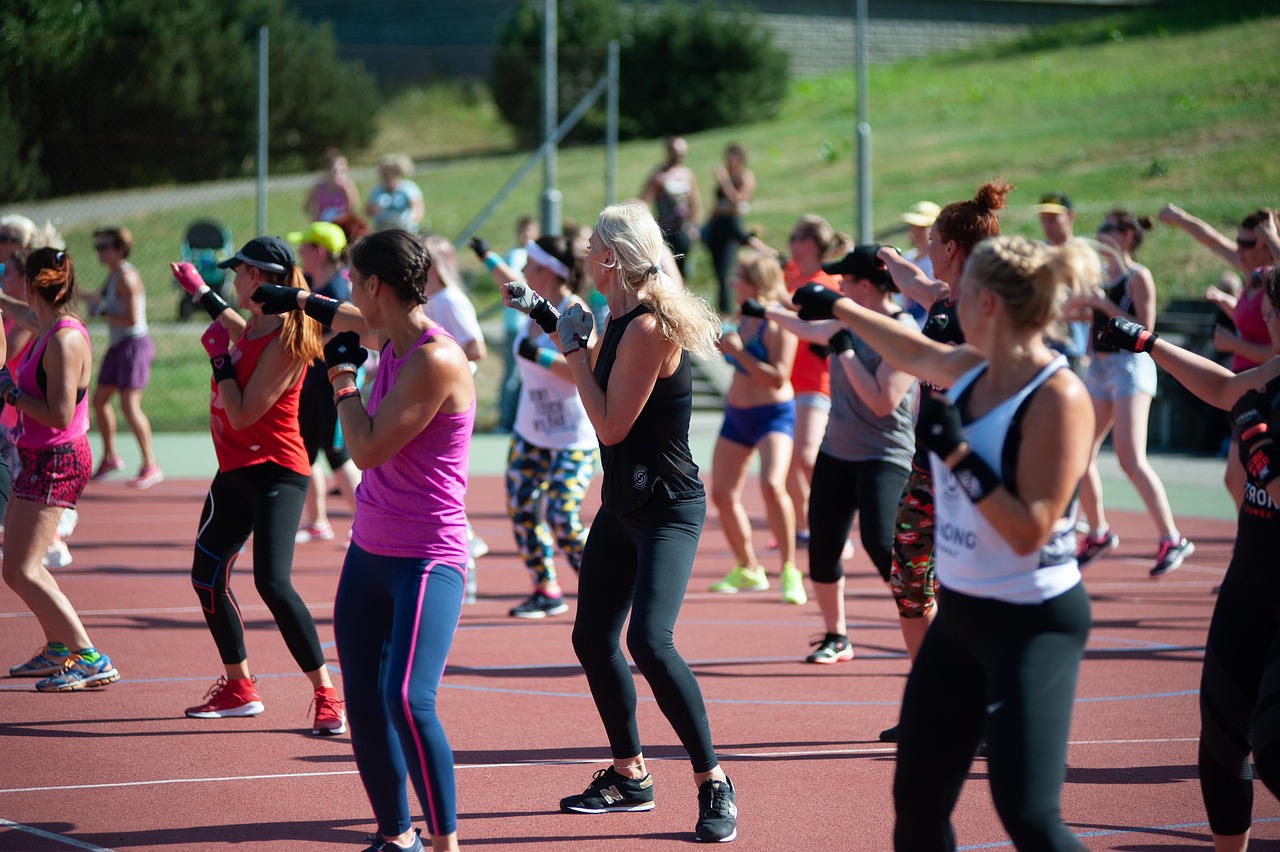
Staying motivated is essential for making consistent progress in dance fitness. Beginners often encounter challenges that test their perseverance and dedication. To remain enthusiastic, set clear and realistic goals for your dance journey. Establishing achievable short-term and long-term goals can provide a roadmap for progress tracking. Consider enrolling in classes that match your preferences in dance styles, such as hip-hop, salsa, or Zumba. Group classes can also foster a sense of community and belonging, enhancing motivation through group dynamics. Engaging with friends or fellow dancers can create peer accountability, providing additional encouragement. Moreover, vary your routines to prevent monotony; mix high-energy songs with softer tunes for varied dance styles, keeping workouts fresh and exciting. Celebrating personal achievements, regardless of the scale, can truly enhance your motivation levels. Finding online dance challenges or competitions can elevate the excitement. Alongside this, consider rewarding yourself for milestones achieved, affirming the accomplishment of sticking to a dance fitness plan. Cultivating this consistent motivation leads to long-lasting success and fulfillment in the world of dance fitness.
Having fun should be at the core of any dance fitness practice. Regardless of experience level, injecting enjoyment into every session can enhance overall well-being and adherence to your routine. For beginners, embracing the joy of dancing is paramount. Choose tracks that excite and inspire you to move freely. Dancing shouldn’t feel like a chore; it should provide a sense of liberation and warmth. Consider joining classes that emphasize fun over rigorous discipline. When surrounded by positive energy and likeminded individuals, the enjoyment level significantly increases. Embrace playful exploration of movement; imitation, spontaneous expressions, or even inventing your dance moves can amplify enjoyment. Don’t be afraid to laugh at mistakes or uncertainties. In fact, many professional dancers were once beginners who didn’t let fear of mistakes discourage them. Schedule workouts in a manner that allows you to enjoy them rather than fitting them into an obligatory regime. Sharing a dance fitness experience with others can also augment joy, making it an engaging social activity. Ultimately, dance fitness should prioritize fun while supporting physical health.