
Customizing Core Strengthening Classes for Different Fitness Levels
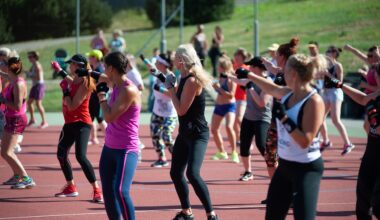
Core strengthening workshops and classes need to be accessible for everyone, from beginners to advanced fitness enthusiasts. This ensures individuals with varying abilities can engage safely and effectively. A vital step in this process is assessing the fitness level of each participant. Beginners may struggle with exercises that require balance or coordination, while advanced clients may seek more challenging variations for intensified and specialized core work. Group classes can benefit from modifications that allow advanced participants to work harder while still providing options for beginners. Stability ball exercises are a great option as they can be adjusted based on levels. One can also introduce the use of resistance bands for those ready to challenge their core further. Creative use of props enhances engagement while tailoring intensity as necessary. The instructor should remain vigilant in watching for safety and technique. This balance fosters a positive environment where everyone can progress at their own pace, ensuring core strengthening is both effective and enjoyable. The goal is to instill confidence in every participant, motivating them to attend such workshops repeatedly and enhancing their overall health and fitness journey.
A seamless transition between fitness levels is essential for core strengthening classes. Adopting a progressive approach is beneficial in not overwhelming participants. For example, when introducing an exercise like planks, start with modifications such as knee planks for beginners. This allows those newer to fitness to feel competent and engaged without the risk of injury. Gradually, as individuals gain comfort and strength, they can transition to full plank positions or even explore dynamic variations. Advanced participants may thrive on introducing instability to their planks, like single-leg lifts or extended arm movements. This enables seasoned practitioners to experience enhanced core activation and challenges familiar movement patterns. Furthermore, communication plays a crucial role in ensuring all participants understand various modifications. All classes should offer clear descriptions and visual demonstrations, ensuring everyone can follow along and learn effectively. Instructors can present modifications during the warm-up phase to allow participants to choose options that fit their abilities. Ultimately, these strategies contribute to an environment where core strengthening prospects are limitless. The workshop should empower individuals, fostering growth in physical fitness while encouraging group support and camaraderie amongst participants.
Emphasizing Correct Form and Alignment
Correct form and alignment are paramount in core strengthening classes. Instructors need to ensure that participants focus on the foundational aspects of any exercise. This minimizes the chance of injuries while maximizing the effectiveness of each movement. For beginners, a detailed demonstration of proper alignment during a basic bridge or sit-up is essential. Emphasis on alignment cues—such as keeping the knees in line with the toes—helps prevent misalignment that can lead to discomfort. Advanced participants can be introduced to nuanced adjustments, such as ensuring their pelvis maintains neutrality throughout difficult movements. Instead of compromising alignment for the sake of intensity, instructors should prioritize perfecting these fundamentals. Regular feedback during class encourages corrective action among participants before they develop bad habits. Establishing checkpoint exercises becomes critical—a strong foundation allows participants to explore greater challenges naturally over time. Frequent change and adaptation maintain class interest levels. The overall goal remains ensuring participants without sacrificing form enhance their strength and endurance. This nurturing learning atmosphere fosters an understanding of core strength significance, encouraging all individuals to reach their fitness aspirations swiftly without risking injury.
Incorporating functional movements into core strengthening classes adds relevance. Educating participants on how core stability relates to everyday activities is vital for promoting engagement. By integrating functional exercises, such as rotational movements or diagonal raising, individuals glean direct benefits applicable to daily tasks. These functional elements enhance overall lifespan and allow for smooth transitions in fitness journeys. This approach instills confidence and builds a comprehensive skill set applicable to daily life. Advanced participants can also explore more complex exercises, such as kettlebell swings or medicine ball slams. These movements present unique challenges that further develop strength while maintaining a focus on core engagement. Creating a bridge between fitness and real life enables deeper investment in class progress. It also allows the instructor to tailor and adjust progressions according to individual capabilities. Regular variations in programming keep participants excited, promoting continuity in attendance and commitment to their strengthening journey. Moreover, presenting various difficulty levels equips participants with the tools to adapt their workouts independently while motivating them. As a result, core strengthening classes become a crucial component of achieving their broader lifestyle objectives for all fitness levels.
Creating a Supportive Community
Establishing a supportive community enhances participant experience. Group dynamics play an essential role in keeping individuals motivated and accountable to their fitness goals. By fostering camaraderie, participants are inspired by their peers and often willing to push beyond their perceived limitations. Instructors can facilitate this networking by incorporating partner work and group challenges. Group stretches or team-based core workouts encourage interaction while emphasizing the importance of support during progress. Sharing success stories among participants highlights personal achievements, fostering a sense of belonging. Classes should become a judgment-free zone stressing personal improvements rather than competition. Regular check-ins with participants create open dialogue. Building relationships allows instructors to assess individual needs better, leading to tailored suggestions and modifications. Creating inclusive spaces for all ability levels also promotes anxiety reduction. This approach ensures all participants feel valued and empowered in their capability to join classes. Ultimately, a positive culture significantly influences retention rates. People return to supportive environments, growing their commitment to bettering their strength and fitness levels, which enhances group morale and creates lifelong friendships in the fitness journey.
Core strengthening classes become more effective when participants engage in goal-setting. A collaborative approach to setting personal goals encourages commitment while ensuring everyone is on a path of accountability. Instructors can initiate discussions on achievable goals, asking participants to share their aspirations and motivations. This can transform classes from regular workouts into meaningful experiences tailored to individual needs. Moreover, revisiting and reassessing these goals regularly maintains focus amid evolving fitness levels. As individuals advance, their initial goals might shift, necessitating adjustments to preferences. For instance, while gaining strength, someone may want to focus on enduranc. Group progress tracking can foster friendly competition. This invigorates the energy throughout sessions while keeping motivation high. Incorporating both individual and group challenges instills a sense of accomplishment and encourages collective support. Furthermore, linking goals to core strength advancements helps participants understand the value of their efforts. Classes should motivate toward holistic improvement, enhancing every facet of participants’ lives. This creates a well-rounded experience, addressing psychological and social elements in fitness. Thus, the goal of workshops includes establishing deeper connections as people work toward enhancing their core and overall well-being.
Incorporating Variety to Maintain Engagement
Variety is essential for maintaining engagement in core strengthening workshops and classes. A monotonous routine can lead to decreased motivation, leading participants to lose interest. Therefore, it becomes vital to incorporate various exercises and formats that continuously expose attendees to freshness. Utilizing different equipment—like kettlebells, stability balls, or resistance bands—benefits both beginners and advanced exercisers. By mixing up workouts, participants remain excited about their fitness journey. Different formats, such as circuit training or interval training, can also keep classes dynamic and enjoyable. Instructors can alternate between slower-paced sessions focusing on technique and fast-paced ones that promote cardiovascular endurance while engaging the core. The right combination can enhance enthusiasm for the class while encouraging personal growth. Furthermore, exploring various themes—like balance or strength-building—keep things interesting. Offering occasional workshops that focus on specific areas allows attendees to deepen their understanding and hone their skills. Regular changes foster adaptability, allowing each participant to explore their progression. This adaptable atmosphere helps maintain consistent attendance in core classes. Ultimately, the goal remains continuous improvement for every participant, regardless of their starting point in the fitness realm.
Participant feedback serves as a critical component for refining core strengthening classes. By gauging customer satisfaction levels, instructors can adjust programming ensuring optimal experiences. Conducting surveys after workshops elicits constructive criticism that can propel success. Prioritizing participants’ suggestions empowers them and portrays a sense of ownership over their fitness experiences. Instructors should actively acknowledge feedback, showcasing their adaptability and willingness to improve. This process fosters a sense of community while providing insights that can significantly influence class delivery. For instance, if students express wishes for more balance work, instructors can seamlessly include more exercises targeting stability. Additionally, responding to feedback showcases instructors’ commitment to their ongoing learning and development. Keeping classes relevant becomes paramount—for participants to remain fulfilled and mentally invested. Establishing regular check-ins about personal needs and objectives ensures attendees feel heard, which fosters personal connection within the environment. This ongoing dialogue builds rapport while maintaining excitement and anticipating the journey ahead. Furthermore, a personalized approach sustains motivation and interest in the classes. Thus, every feedback loops reinforce the enriching experience central to the philosophy of core strengthening workshops and classes.