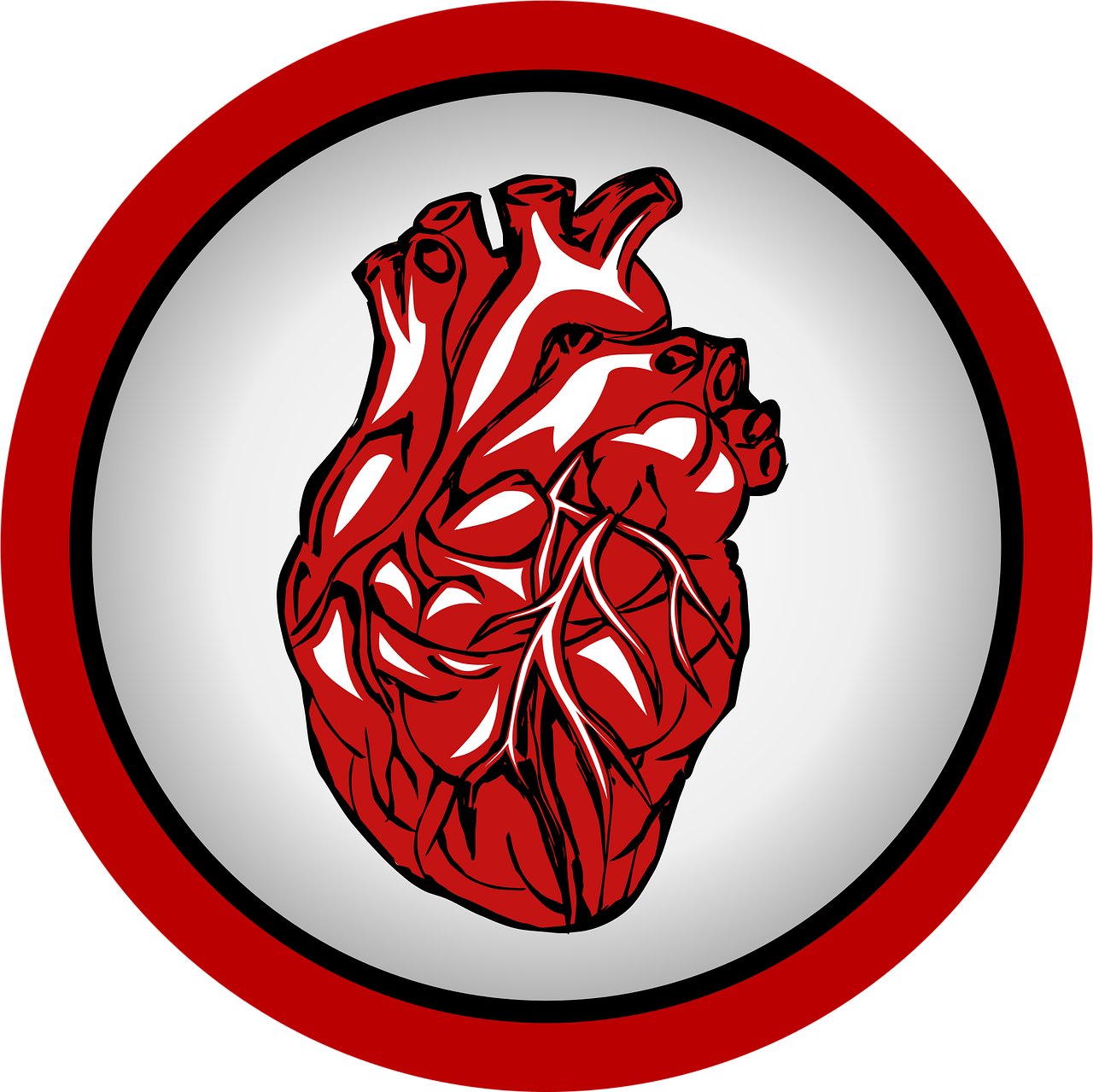

Cardiac Care: Managing Heart Issues Caused by Eating Disorders
Energizing the awareness of the intricate relationship between eating disorders and heart health is crucial. Individuals afflicted by these disorders often face catastrophic health implications, particularly concerning their cardiovascular systems. The consequences of malnutrition or excessive caloric restriction can lead to severe cardiac issues, including arrhythmias and heart muscle atrophy. Healthcare professionals must be vigilant in recognizing symptoms early, promoting timely interventions. Monitoring heart health should be part of a comprehensive care plan for those suffering from eating disorders. Regular check-ups with a cardiologist may be necessary to assess heart function, as electrolyte imbalances largely affect heart rate and rhythm. Additionally, managing stress and mental health conditions associated with eating disorders is essential for holistic recovery. Building a supportive network of healthcare providers, including mental health specialists and nutritionists, ensures a well-rounded treatment approach. Education surrounding these risks enables better prevention strategies for patients and their families. This multi-faceted approach to care embodies the principle that overall health is the core of effective recovery, especially regarding the impact on heart health during and after overcoming eating disorders.
An essential aspect of cardiac care for patients with eating disorders involves recognizing common cardiovascular symptoms. Symptoms such as fatigue, irregular heartbeat, or chest pain warrant immediate medical attention, and patients should be educated on identifying these signs. From an early stage, individuals can learn to advocate for their health by monitoring their physical responses to food intake and intensity of workouts. This self-awareness plays a pivotal role in preventing or managing heart issues. Alongside this, a structured cardiac assessment is advised to evaluate an individual’s heart health. This often includes thorough physical examinations, electrocardiograms, and echocardiograms to assess heart function and structure. Lack of early diagnosis can lead to severe complications, emphasizing the importance of regular health screenings. Healthcare providers must encourage open communication about any new symptoms or changes in health status. Moreover, psychotherapy can be an effective tool in conjunction with medical interventions to address the psychological aspects of eating disorders. Overall, it is about balancing physical health with emotional well-being, ensuring that recovery does not come at the expense of heart health, which remains a priority in treatment plans.
Nutrition’s Role in Cardiac Recovery
A pivotal component in managing heart problems caused by eating disorders is nutrition. The body requires a diverse range of nutrients to maintain cardiovascular health, particularly after a period of disordered eating. A diet rich in omega-3 fatty acids, antioxidants, vitamins, and minerals supports both heart recovery and overall health. Foods such as salmon, nuts, seeds, leafy greens, and fruits should be integral to daily intake and balanced nutritional plans. Engaging a dietitian who specializes in eating disorders can facilitate a safe reintroduction of food, focusing on the nutritious aspects necessary for heart health. Guidelines may include gradual restoration of caloric intake and inclusion of heart-healthy choices. Furthermore, hydration must not be neglected, as electrolyte balance is critical for maintaining normal heart rhythm. Patients must focus on returning to a normal eating pattern without guilt, fostering a healthy relationship with food. Nutritional awareness and a commitment to dietary changes can greatly reduce the risk of developing cardiomyopathy, arrhythmias, or other heart issues attributed to eating disorders, ultimately leading to heart recovery.
In parallel with nutritional education, physical activity needs to be approached cautiously for individuals recovering from eating disorders. While exercise can enhance cardiovascular health, its implementation should be gradual and adequately monitored. Overexertion poses serious risks, especially for individuals with potential heart complications. Structured exercise programs designed by professionals may offer guidance in fostering a healthy approach to fitness. Activities that promote heart health yet are not overly strenuous, like walking, swimming, or yoga, are ideal transitions. These exercises support cardiovascular function while considering the individual’s recovery journey. Developing a predominantly healthy relationship with exercise will also assist in building body strength, ultimately leading to normal function. Exercise should be viewed as a complement to diet and not as a punitive measure against previous ailments. Collaborating with healthcare teams, including cardiologists, dietitians, and fitness trainers specialized in eating disorders, enables holistic rehabilitation strategies. Maintaining transparency about any new symptoms during exercise routines is essential. Through careful integration of physical activity, individuals can work towards reclaiming their health without falling back into unhealthy patterns, promoting a stronger and healthier heart.
The Importance of Mental Health Support
Addressing the mental health aspects of eating disorders is imperative for overcoming physical challenges, especially concerning the heart. Psychological support can ease the journey of recovery while ensuring patients understand the impact of their mental well-being on physical health. Therapy options such as cognitive-behavioral therapy (CBT) are effective in addressing the underlying thoughts and beliefs that fuel eating disorders. Establishing skills to cope with emotional distress promotes healthier behavior and perspectives around food and exercise. Additionally, support group environments foster community and connection among those with shared experiences, vital to emotional recovery. Through talking and listening, individuals can gain insights into their endeavors and empower one another. Interaction with professionals adept in both mental health and eating disorders enhances treatment effectiveness, incorporating coping techniques tailored to each individual. Such support mitigates the risk of reverting to unhealthy behaviors post-recovery, ensuring both the heart and mind are attended to during healing. Integrating mental wellness practices into daily routines, including mindfulness and journaling, may further assist this process, creating a holistic approach to healing during recovery.
Long-term cardiac care for individuals recovering from eating disorders requires ongoing monitoring and a commitment to lifestyle changes. Regular follow-ups with healthcare professionals ensure a safe trajectory towards improved heart health. Patients should expect to have periodic cardiovascular assessments, including blood pressure evaluations, cholesterol testing, and heart rate monitoring. This proactive approach to health enables early identification of potential complications, allowing for immediate intervention if necessary. Adopting sustainable habits like balanced diets and mindful exercise promotes an overall healthy lifestyle. Individuals are encouraged to maintain support networks that celebrate their successes and provide encouragement during challenges. Furthermore, individuals must be educated about the importance of consistent hydration, regular sleep, and stress management techniques. These factors contribute significantly to heart health, especially when transitioning out of an eating disorder mindset. Moreover, sharing personal experiences can foster awareness within communities, making it easier for others to seek help. In this modern age, awareness surrounding eating disorders is growing, and reinforcing the link to cardiac health remains a top priority for continued support and interventions.
Conclusion on Cardiac Health in Recovery
In conclusion, managing heart issues resulting from eating disorders requires a comprehensive and compassionate approach. Educating patients about the intricate connections between mental health, nutrition, and exercise constitutes a solid foundation for recovery. Collaboration amongst healthcare providers fosters a multidisciplinary strategy to address all aspects of treatment effectively. It is crucial for professionals to remain vigilant in monitoring patients’ cardiovascular health throughout their recovery, ensuring timely interventions when necessary. Furthermore, equipping individuals with knowledge about their health empowers them to make informed decisions, fostering self-advocacy. Long-term success in recovery hinges on a solid support system and the dedication to a healthier lifestyle. Practicing balanced nutrition, integrating safe physical activity, and embracing mental health support will lead to better heart health outcomes. Ensuring that each patient feels understood and supported during their recovery journey emphasizes the importance of holistic care approaches. As awareness continues to expand, it is our responsibility as a community to prioritize eating disorder education and the associated cardiac implications, paving the way for healthier futures.
Heart health is not just an individual struggle but a collective concern that requires the attention of family and friends, too. Together, we can create understanding, shed light on treatment options, and encourage recovery as a community. Emphasizing the value of individual stories fosters a deeper connection and stronger advocacy for treatment. It is vital to keep the conversations ongoing about the impacts of eating disorders on both the heart and overall well-being. In this era of increasing awareness, our collective knowledge will drive further research and resources as they become available. Advocacy in healthcare policies can support comprehensive treatment options for all those affected. Mental health awareness must also lead to significant changes in stigma, making seeking help a normal and encouraged response. Fear should not deter individuals from pursuing healing. By embedding these principles into our society, we can combat the crisis of eating disorders and their devastating effects on heart health. Through education, empathy, and action, we can all play a role in fostering lasting changes in how these disorders are understood and treated.