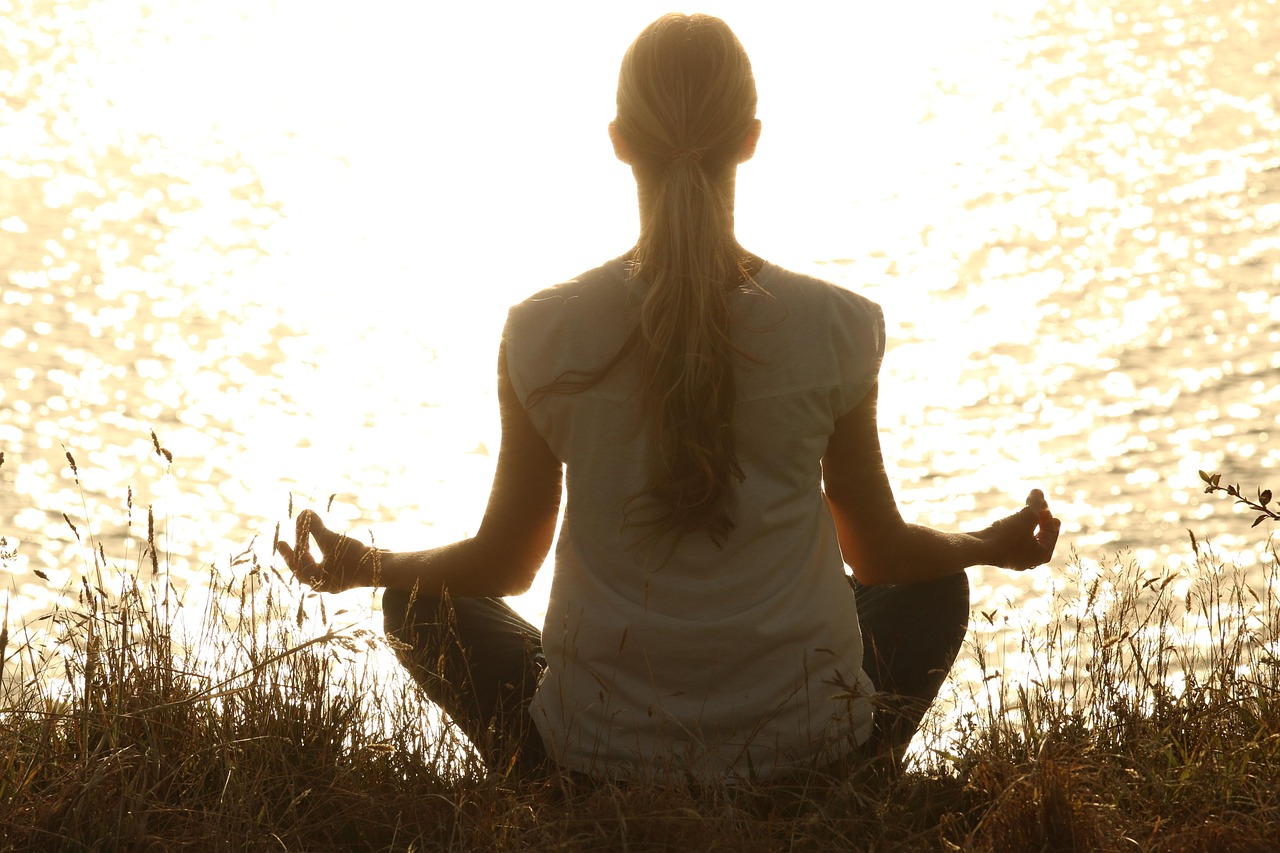

Yoga and Meditation: Benefits for Teen Mental Wellness
As teenagers navigate through various challenges, including academic pressures and social dynamics, they often experience heightened stress and anxiety levels. Engaging in yoga and meditation offers a robust approach to addressing these challenges effectively. Both practices promote relaxation and self-awareness, helping teens to manage their emotional health. Yoga involves physical movements and postures that increase body awareness, while meditation encourages mental clarity and focus. By fostering balance between mind and body, these activities can significantly enhance mental wellness in teenagers. With a consistent practice, many teens report decreased symptoms of anxiety and depression. Furthermore, yoga can improve flexibility, strength, and overall physical health, contributing to a more positive self-image. Through mindfulness techniques learned in meditation, teens can develop coping strategies that enable them to handle stressful situations. These practices can also help improve sleep patterns and concentration levels, crucial for academic success. Therefore, integrating yoga and meditation into their daily routine can lead to profound mental health benefits. By prioritizing mental wellness through these holistic practices, teens can build a foundation for resilience that serves them throughout their lives.
The Science Behind Yoga and Meditation
Scientific studies have increasingly highlighted the positive impacts of yoga and meditation on mental health, particularly among teens. These practices activate the parasympathetic nervous system, often called the “rest and digest” system, which contrasts with the stress-induced sympathetic nervous system. This activation helps reduce cortisol levels, often referred to as the stress hormone. Research indicates that regular yoga practitioners experience lower levels of anxiety and improved mood regulation. Meditation offers additional benefits, such as enhancing brain function and improving emotional resilience. Brain imaging studies have shown increased activity in areas associated with emotional regulation among those who practice mindfulness meditation regularly. Moreover, these techniques have shown promise in improving attention spans and academic performance by promoting higher levels of concentration and reduced distractions. The repetitive movements in yoga, combined with controlled breathing, help anchor teens in the present moment, preventing their minds from spiraling into negative thought patterns. Furthermore, both yoga and meditation encourage emotional expression and self-reflection, vital for teenagers grappling with their identity and social interactions. Ultimately, the science indicates that these practices are powerful tools for nurturing teen mental wellness.
Incorporating yoga and meditation into schools can significantly contribute to a supportive educational environment. Numerous institutions have started integrating these practices into their physical education curricula, allowing students to explore mental wellness alongside physical fitness. School programs focusing on yoga and meditation provide structured environments for students to practice these skills, which can lead to improved emotional and physical health outcomes. Classes centered around these activities encourage not only personal well-being but also foster a sense of community and connection among peers. Research shows that students participating in these programs often report lower levels of school-related stress, increased focus in class, and improved interpersonal relationships. Moreover, providing spaces for relaxation and mindfulness in schools can help students learn essential coping skills. These programs can encourage students to take ownership of their mental health and well-being. As a result, they are more likely to engage constructively with their academic and social lives. Efforts to implement yoga and meditation resources in educational settings can also help destigmatize mental health discussions among students. By prioritizing these practices in schools, we can promote a culture of open dialogue about mental wellness.
Practical Tips for Getting Started
For teens interested in starting yoga and meditation, there are several practical steps they can take to establish a fulfilling practice. First, finding a supportive class or community is essential; many local studios offer sessions specifically for teens. These classes often foster a sense of belonging and provide guided instruction suited to younger participants. Incorporating short meditation sessions into daily routines can also be beneficial. Teens might begin with just five to ten minutes daily and gradually increase the duration as they become more comfortable with the practice. Additionally, utilizing smartphone apps focused on meditation can provide helpful guidance. Many offer themed sessions geared toward young people’s challenges, making meditation relatable and engaging. Setting up a dedicated space at home can create an inviting atmosphere conducive to practice. Soft lighting, comfortable seating, and calming music can enhance the experience. Furthermore, sharing experiences with friends or family can reinforce the benefits of these practices, making it more enjoyable and less intimidating. By setting intentions and maintaining consistency, teens can effectively cultivate their yoga and meditation practices.
Parents play a crucial role in supporting their teens’ journey into yoga and meditation practices. Encouragement from guardians can significantly enhance a teen’s willingness to engage in these wellness activities. Parents can take initiative by attending classes together, establishing a shared experience that fosters bonding and mutual support. Discussing the benefits of these practices openly can also demystify them, making teens more receptive to trying them out. Creating a family environment that prioritizes self-care can encourage teens to explore their mental health openly. Parents can encourage realistic expectations, emphasizing that improvement in mindfulness and physical practice will take time. Moreover, role modeling self-care practices may inspire teens; engaging in yoga and meditation regularly shows commitment to mental wellness. Providing them with resources such as books, videos, or apps focused on yoga and meditation can help them on their journey. Open discussions about the stresses teens face will enable parents to better understand their child’s experiences and offer support. Ultimately, a supportive parental approach can significantly enhance a teen’s engagement and commitment to these practices, leading to improved mental wellness.
Overcoming Barriers to Practice
Despite the numerous benefits of yoga and meditation, some barriers can hinder teens from incorporating these practices into their lives. Time constraints often serve as a primary deterrent; busy schedules filled with schoolwork, extracurricular activities, and social obligations can leave little room for self-care. To combat this, teens can start with shorter practices and gradually work towards longer sessions. Lack of familiarity with yoga or meditation techniques can also discourage participation. Many young individuals may feel unsure about where to start or fear that they won’t practice ‘correctly.’ Seeking beginner classes or online tutorials can alleviate these concerns by offering structured guidance. Societal perceptions around fitness and self-care may further impact teenagers’ willingness to engage in these practices. Challenging the stigma of self-care as a sign of weakness is essential for encouraging their exploration of yoga and meditation. Building a supportive community through friends or online platforms is crucial in overcoming these barriers, offering shared encouragement and enthusiasm. By identifying and addressing these challenges, teens can better embrace yoga and meditation practices as tools for improving their mental health.
In conclusion, the benefits of yoga and meditation for teen mental wellness are vast and well-documented. As teenagers navigate the complexities of adolescence, integrating these holistic practices offers essential tools for managing stress, anxiety, and emotional health. The physical benefits, including improved flexibility and strength, complement the mental benefits of increased focus, emotional regulation, and self-awareness. Schools and parents can play significant roles in facilitating and supporting teens’ early practices of yoga and meditation, creating environments where mental wellness is prioritized. By overcoming barriers and fostering community engagement, these practices can become integral components of adolescent life. Moreover, by investing time in developing these skills, teens can cultivate resilience not only for academic challenges but throughout their lives. As more research continues to support these outcomes, it becomes increasingly vital for society to prioritize wellness strategies that promote mental health in youth. With commitment and support, teens can transform their lives and become advocates for mental wellness through yoga and meditation, paving the way for healthier generations ahead. It is essential to continue spreading awareness of these practices and their profound impact on adolescent mental health.