
The Role of Rank and Respect in Martial Arts Culture
In martial arts, rank and respect are pivotal elements that establish structure and promote discipline. Each practitioner begins as a novice, often training under the guidance of seasoned instructors. Gradually, aspiring martial artists earn ranks through consistent effort, demonstrating skills and understanding of techniques. This rank helps create a hierarchy where each level signifies the student’s journey and commitment. Higher ranks come with additional expectations, including teaching responsibilities and mentorship roles. Respect is intertwined with this hierarchy; practitioners show it not only to higher-ranked individuals but also toward fellow students. This mutual respect fosters a supportive environment, essential for personal growth and community development.
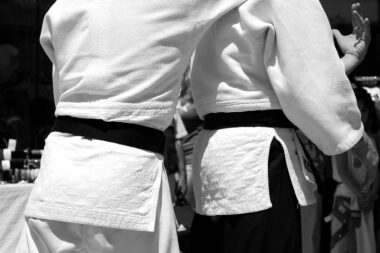
One significant aspect of martial arts is the symbolism of belts and rankings. Each colored belt represents distinct stages of progression, reflecting the practitioner’s skill and knowledge. For instance, a white belt symbolizes a beginner, while higher belts, such as black, signify mastery and dedication. The colors serve as visible markers of achievement, offering motivation for students to strive for improvement. Moreover, exams for promotion tests rigorously assess a student’s proficiency and understanding. This process not only enhances one’s physical abilities but also strengthens mental resilience. It’s about pushing boundaries, fostering the spirit of perseverance, and developing self-discipline.
Respect in martial arts culture extends beyond the dojo. Students are encouraged to embody the principles learned on the mat in their daily lives. This includes demonstrating respect toward family, peers, and community members. Many instructors emphasize that martial arts training goes hand in hand with life skills like humility, honor, and integrity. Therefore, ranking becomes equally important in guiding behavior outside of training. When students respect their craft and those associated with it, they promote a positive image of martial arts. This culture of respect enhances not only personal relationships but also contributes to a sense of belonging within the martial arts community.
The Importance of Community in Ranking
The martial arts community plays a critical role in shaping the understanding of rank and respect. Students often train together, share experiences, and celebrate each other’s successes. This camaraderie reinforces the idea that martial arts is not solely an individual pursuit but also a collective journey. Group training sessions allow students to learn from one another, fostering an environment where advice and shared experiences enhance everyone’s skills. Community events, such as tournaments and demonstrations, showcase various ranks and talents while promoting mutual respect among participants. These events highlight the need for humility, as there can always be someone better, regardless of rank.
In the context of self-defense, the importance of rank becomes even more pronounced. Higher-ranked martial artists often take on roles such as instructors or self-defense advocates. They bear the responsibility of setting an example for their students, underlining the necessity of respect in handling confrontations. Respect within this discipline ensures that self-defense techniques are used judiciously and ethically. Practitioners are taught to use their skills only when absolutely necessary, promoting a message of peace and avoidance of physical conflict whenever possible. This ethical practice behind rank encourages a culture of responsibility rather than sheer power.
Moreover, the journey to achieving higher ranks can often be humbling. While earning a higher belt may bring prestige, the reality is that it often involves extensive training and sacrifice. This journey builds character, instilling virtues such as patience and perseverance. As martial artists ascend through the ranks, they learn valuable life lessons about success and failure. It is crucial for advanced practitioners to remember the dedication required at each level, ensuring that they respect the process. Many black belts frequently engage in discussions about their beginnings to remind novices that everyone starts somewhere and that respect is fundamental.
Conclusion: Respecting the Journey
Ultimately, the martial arts’ rank system is about respect, not just for one’s capabilities but for the journey itself. It encompasses learning from mistakes, acknowledging the contributions of others, and continually striving for improvement. Practitioners are taught that true mastery lies not in the belt color but in the values they uphold. The cultural significance of ranking has impacts that transcend the dojo, influencing how martial artists interact within society. As students progress, they are encouraged to contribute positively to their communities, creating a ripple effect of respect and understanding beyond their training. The legacy of martial arts continues through respectful engagement and personal character, nurtured by their rankings.
In conclusion, the integration of rank and respect shapes the martial arts culture profoundly. As a vibrant community, martial artists have the opportunity to learn lifelong lessons rooted in foundational values. This structured approach to progression serves not only to enhance physical skills but also reinforces ethical behavior. Through ranks, martial artists learn about the importance of support and respect for one another. Ultimately, the true essence of martial arts is found in the relationships formed through this journey, reminding everyone that respect is paramount at every level of training, fostering a legacy of honor and discipline.