The Role of Protein Supplements in Weight Loss and Fat Burning
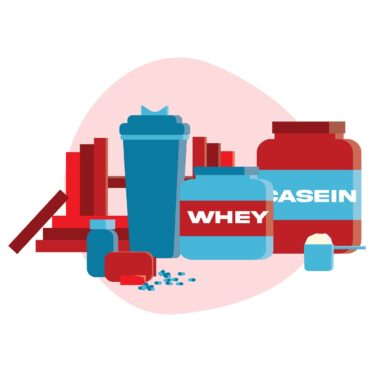
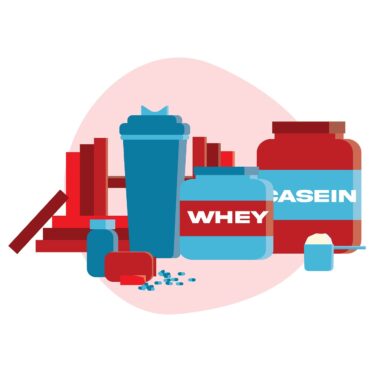
Protein supplements play a significant role in weight loss and fat burning, as they help maintain muscle mass during caloric deficits. When you lower caloric intake to shed pounds, the body often loses muscle along with fat. Consuming protein supplements can mitigate this muscle loss by supplying your body with essential amino acids. This preservation is crucial because muscle tissue burns more calories than fat even when at rest, supporting a *metabolic boost*. Many types of protein supplements are available, such as whey, casein, soy, and plant-based options. Including these in daily meals can increase overall nutrient intake and promote a feeling of fullness. Furthermore, they often come in convenient forms, like shakes or bars, making them accessible on busy days. By supplementing with protein-rich products, individuals can experience improved satiety, leading to reduced hunger and fewer cravings. Therefore, integrating protein supplements could aid those on a weight loss journey, enhancing both their results and overall health. Additionally, they support post-exercise muscle recovery, ensuring that intense workout sessions lead to maximum benefits. Always consult with a healthcare professional before starting any supplement regimen.
Understanding Protein Metabolism
Protein metabolism involves how the body utilizes dietary protein to build, repair, and maintain tissues. When we consume protein, it undergoes digestion and is broken down into amino acids, which are the building blocks necessary for muscle development. During weight loss, a sufficient protein intake ensures that the body has enough amino acids available for these vital processes. Studies show that higher protein diets can enhance *fat oxidation*, meaning the body is more efficient at burning fat for energy. Various protein supplements can influence this metabolism differently; for instance, whey protein is rapidly absorbed, offering immediate benefits post-exercise. In contrast, casein digests slowly, providing a sustained supply of amino acids. This slow release is beneficial during fasting periods, like overnight, contributing to muscle preservation. Incorporating protein supplements, therefore, assists not only in fat burning but also helps to fuel proper recovery after workouts. This balance enables individuals to maximize their fat loss while minimizing muscle breakdown. People seeking to optimize their weight loss strategies must consider their protein sources wisely. Evaluating the specific needs and goals will help in selecting the right kind and amount of protein supplement for effective results.
Weight loss journeys are often filled with challenges, especially regarding maintaining motivation. Protein supplements can serve as a beneficial tool for dieters by providing a convenient and tasty way to ensure they meet their protein requirements. The inclusion of protein in meals significantly enhances feelings of fullness and satisfaction, reducing the likelihood of unhealthy snacking. Many protein shakes are fortified with vitamins and minerals, adding extra nutrients essential for overall well-being during weight loss. In addition, individuals may experience improved performance in physical activities when consuming adequate amounts of protein, leading to better exercise adherence. Weight training paired with protein supplementation further helps individuals reach their fat loss goals effectively. Regular strength training increases lean muscle mass, which subsequently boosts metabolism, leading to greater calorie expenditure. Some studies suggest that protein intake can also regulate hormones that control appetite, influencing cravings and satiety signals positively. Therefore, having protein supplements can help facilitate long-term weight management strategies while making it easier to stick to healthy eating habits. A well-balanced diet, combined with the assistance of protein supplements, may lead to sustainable weight loss results over time for many individuals.
Choosing the Right Protein Supplement
With the myriad of protein supplements on the market, selecting an appropriate product can be overwhelming. Factors to consider include individual dietary preferences, allergies, and goals. For instance, **whey protein** is ideal for those without lactose intolerance and looking for fast absorption, while **plant-based protein** options, such as pea, rice, or hemp proteins, cater to vegans and vegetarians. Additionally, individuals with gluten sensitivity should opt for gluten-free protein powders to avoid adverse reactions. When choosing protein supplements, check for quality assurances, like third-party testing or certifications, to guarantee that the product is free from harmful substances. Furthermore, the sugar content is an important consideration; many protein products added sugars, which could hinder weight loss efforts if consumed excessively. For those aiming for sustained energy and muscle maintenance, a blend of protein types might be beneficial, such as a mixture of whey and casein. Evaluating such aspects helps streamline the selection process and ensures the chosen supplement aligns with fitness and dietary needs. Remember, incorporating a protein supplement into a balanced diet cannot replace whole food sources but can complement them effectively.
When discussing weight loss, one must also consider the role of meal timing. Consuming protein-rich meals or snacks before and after workouts can amplify the benefits gained from exercise, leading to better fat loss and muscle growth outcomes. Pre-workout protein improves energy and reduces muscle soreness afterward. Studies indicate that protein consumed post-workout stimulates muscle protein synthesis, aiding recovery. Protein supplements are convenient during these pivotal times to rapidly deliver amino acids to the muscles. For those involved in intense training, including protein intake every few hours can provide sufficient nutrients to maximize performance. As a result, users are less likely to experience muscle overtraining, which can result in fat gain if recovery is inadequate. Additionally, pairing protein with healthy fats and carbohydrates in meals can promote sustained energy levels and enhance fat burning. Understanding how to time protein intake effectively can play a crucial role in achieving weight loss goals. Adapting meal patterns to include these principles allows for a well-rounded approach, ensuring optimal outcomes. Therefore, meal timing alongside protein supplementation deserves attention when aiming for weight loss success.
Potential Side Effects of Protein Supplements
While protein supplements are valuable for many, potential side effects exist when overusing or not utilizing them appropriately. Common issues can include digestive disturbances, such as bloating, gas, or diarrhea. These symptoms often arise when individuals consume protein products that exceed their digestive capabilities or when they have intolerances to specific ingredients found in supplements. Selecting high-quality protein sources and sticking to recommended serving sizes can minimize these adverse effects. Renowned brands typically formulate their products with digestive enzymes to enhance absorption, making them easier for the body to process without discomfort. Another point to consider is kidney health; for healthy individuals, high protein intake poses no significant risk, but pre-existing kidney issues can exacerbate complications. It’s essential to consult with a healthcare professional prior to adding substantial protein supplements if someone has a history of renal problems. Additionally, focusing on whole food options for protein intake can often yield a wide range of nutrients, avoiding reliance solely on protein powders. Taking a holistic view of protein consumption will help individuals reach their dietary goals while remaining mindful of potential side effects.
Incorporating protein supplements into workout regimes requires an understanding of personal fitness objectives. When utilized wisely, these supplements can be an effective asset for those focusing on weight loss and overall health. They provide essential amino acids required for muscle recovery and maintaining lean muscle mass. This retention is vital for boosting metabolism and enhancing energy expenditure, both critical in achieving fat loss goals. Moreover, integrating protein supplements with appropriate physical activities encourages a healthier lifestyle. For athletes and fitness enthusiasts, protein supplementation can result in improved endurance, strength, and recovery. Users varying from casual gym-goers to more serious athletes highlight different needs regarding protein intake; therefore, customization is essential. A significant aspect is staying informed about dietary trends and individual responses to differing protein types. Monitoring dietary intake helps refine choices, ensuring that users harness the full potential of any protein supplementation. Lastly, diligent tracking of body changes enables individuals to adjust their protein requirements as weight loss progresses. Adopting such an informed perspective can result in successful fat loss journeys, empowering users to reach their fitness aspirations through tailored nutritional strategies.
Conclusion
In summary, the role of protein supplements in weight loss and fat burning is increasingly prominent in health and fitness discussions. They facilitate muscle maintenance, increase satiety, and support recovery processes while factoring into meal timing effectively. Protein can enhance metabolic rates, contributing additionally to successful fat loss when integrated into a holistic dietary approach. However, choosing appropriate supplements based on personal dietary needs and understanding potential side effects ensures a safe experience. A successful weight loss journey involves much more than simply relying on protein supplements, requiring a balanced approach combining consistent exercise and well-rounded nutrition. With proper planning and implementation, protein supplements can enhance the overall success of weight loss efforts. Furthermore, consulting with health professionals can provide essential guidance tailored to individual lifestyles and goals. Continuous monitoring of dietary intake allows individuals to adapt their protein consumption as necessary, maintaining a path toward fitness success. Therefore, individuals aiming for effective weight management should embrace protein’s unique qualities while noting that balance, dedication, and a comprehensive health strategy are crucial in achieving sustained results.